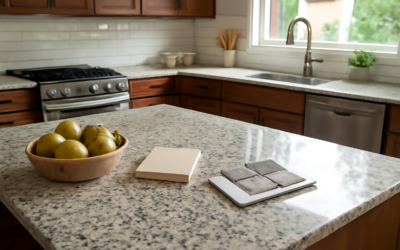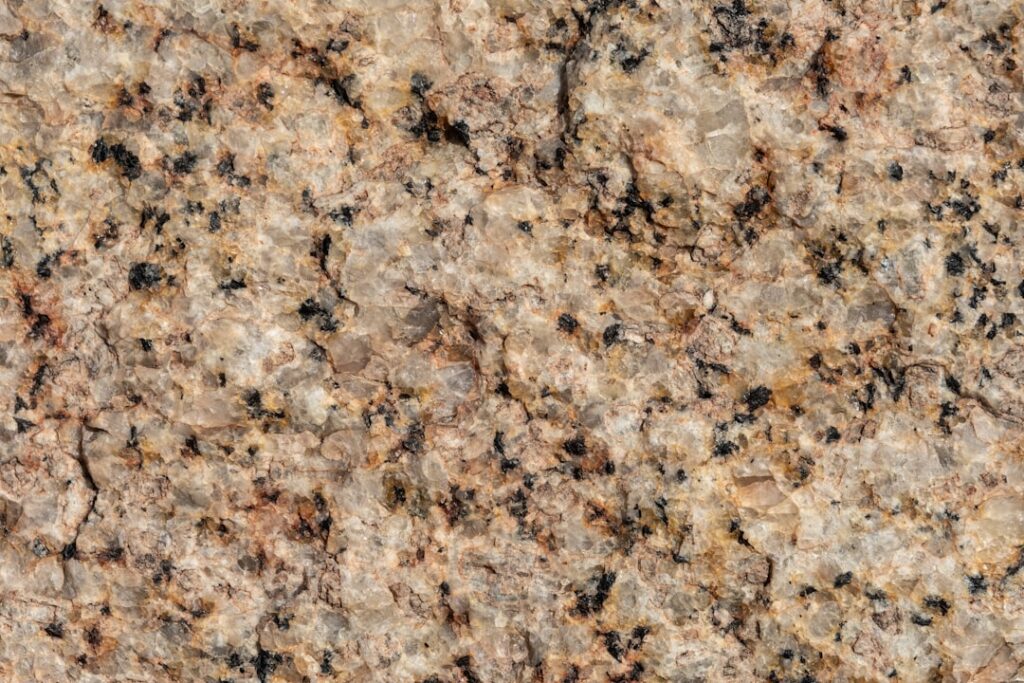
Walk into any granite yard and you’ll notice the same thing I’ve seen for years: the tan and beige slabs move faster than almost anything else on the floor. Tan granite countertops hit a sweet spot that stark white and jet black rarely do. They hide crumbs, blend with oak and maple cabinets, and forgive the occasional coffee ring far better than a bright surface. If you’re weighing your options, understanding the color range, pricing, and maintenance will save you a few thousand dollars and a lot of second-guessing.
Part of our Countertops guide — explore the full guide →
Why Tan Granite Stays So Popular
Beige and tan tones read as neutral, which is exactly why they never really fall out of style. A slab with warm browns, soft golds, and cream veining pairs with almost any wall color you throw at it. I’ve installed the same family of tan granites in a rustic farmhouse kitchen and a transitional condo, and both looked intentional.
There’s a practical side too. Lighter warm surfaces disguise the daily grime that plagues busy kitchens. Fingerprints, dust, and dried water spots practically vanish on a speckled tan background. That’s a real advantage if you have kids or cook every night and don’t want to wipe the counter down four times a day.
Popular Tan Granite Colors to Know
Granite is a natural stone, so no two slabs are identical. Still, certain named patterns show up in yards across the country. Knowing them by name makes it easier to shop and compare quotes.
- Santa Cecilia — a classic gold-and-tan Brazilian granite with garnet flecks and gray movement. Probably the most requested tan tone in America.
- Giallo Ornamental — creamier and lighter, with subtle black speckling. Great with white or off-white cabinets.
- New Venetian Gold — warm beige base with amber and burgundy veins. Reads slightly more luxurious.
- Tan Brown — darker and richer, closer to chocolate, with black and mahogany grains. Ideal against light cabinetry for contrast.
- Ivory Fantasy — pale cream to tan with delicate gray movement, popular in coastal and transitional kitchens.
Always view the actual slab before you buy. A photo online won’t show the true movement, and yards let you tag the exact slab going into your kitchen.
What Tan Granite Countertops Cost
Pricing depends on the stone’s origin, thickness, and how much fabrication your layout demands. As a rough guide, installed tan granite runs $40 to $75 per square foot for common colors, and $80 to $120 per square foot for exotic or heavily veined slabs. Santa Cecilia and Giallo Ornamental usually sit at the affordable end because they’re quarried in volume.
For an average kitchen with 40 to 50 square feet of counter, budget $2,000 to $4,000 installed for a mid-grade tan granite. That figure typically bundles the slab, template, cutting, edge profile, and installation. Sink cutouts, cooktop cutouts, and premium edges like ogee or waterfall add to the total. Get at least three quotes; fabricator markups vary widely even for the same stone.
Choosing the Right Edge and Finish
The edge profile changes the whole personality of the counter. A simple eased or beveled edge keeps things clean and costs the least. Bullnose softens the look and is easy to wipe. Ogee and dupont edges lean formal and cost $10 to $25 more per linear foot to fabricate.
Finish matters just as much. A polished finish brings out the gold and amber tones and resists staining best. Honed granite gives a matte, understated look but shows fingerprints and needs more frequent sealing. Leathered finishes have gained ground in the last few years for their soft texture and their ability to hide etching. For most tan slabs, I still recommend polished unless you specifically want a rustic feel.
Sealing and Everyday Maintenance
Granite is porous, so sealing is non-negotiable. A fresh slab should be sealed at installation and then roughly once a year after that. To test whether yours needs it, drop a tablespoon of water on the surface. If it beads up, the seal is fine. If it soaks in and darkens the stone within a few minutes, it’s time to reseal.
Day to day, clean with warm water and a few drops of dish soap or a stone-safe cleaner. Skip vinegar, lemon, bleach, and generic all-purpose sprays; acids and harsh chemicals break down the sealer and can etch the surface over time. Wipe up wine, oil, and citrus juice quickly. Use a cutting board, because while granite resists scratches, your knife blades will dull fast on it.
Designing Around Tan Granite
Tan granite plays well with warm and cool schemes alike. With honey oak or cherry cabinets, it feels cohesive and traditional. Against crisp white shaker cabinets, the warm speckling adds welcome depth and keeps the kitchen from feeling clinical. Gray cabinets create a modern contrast that’s been trending hard.
For backsplashes, a travertine or beige subway tile keeps the palette calm, while a darker mosaic pulls out the browns in the stone. Pick your paint color last. Bring a sample piece of the slab to the paint store and hold swatches against it under both daylight and your kitchen’s actual bulbs, since tan granite shifts noticeably between warm and cool lighting.
Tan Granite vs. Quartz and Other Options
Before you commit, it helps to know how tan granite stacks up against the alternatives in the same color family. Engineered quartz offers a similar warm-neutral look with no sealing required, since it’s non-porous, but you’ll pay $60 to $100 per square foot installed and lose granite’s natural variation and heat resistance. Set a hot pan on quartz and you risk scorching the resin binder; tan granite shrugs off that same pot.
Laminate counters in a tan or beige print run far cheaper at $20 to $40 per square foot installed, but they can’t compete on durability, heat tolerance, or resale value. Solid-surface materials like Corian fall somewhere in between, seamless and repairable but softer and prone to scratches. For homeowners who want a genuine stone surface with real character, warmth, and long-term value at a reasonable price, tan granite hits a balance the alternatives struggle to match. The yearly sealing is a small price for a surface that handles a busy kitchen for decades.
One more practical note: tan granite’s speckled pattern makes seams far less noticeable than they’d be on a solid-color slab. If your layout requires a seam, ask the fabricator to place it where the movement in the stone helps disguise it, typically at a sink or an inside corner rather than across an open run.
Is Tan Granite the Right Choice for You?
If you want a durable, forgiving, natural surface that works with a wide range of cabinet colors and doesn’t demand a designer’s eye to look right, tan granite is hard to beat. It’s more affordable than most quartz in the same color family, it handles heat from a pot straight off the stove, and it ages gracefully. The trade-off is the yearly sealing and the need to avoid acidic cleaners.
Buy the actual slab you’ll get, ask the fabricator about seam placement before install day, and keep a bottle of stone cleaner under the sink. Do that, and tan granite countertops will look as good in fifteen years as they do the week they go in.