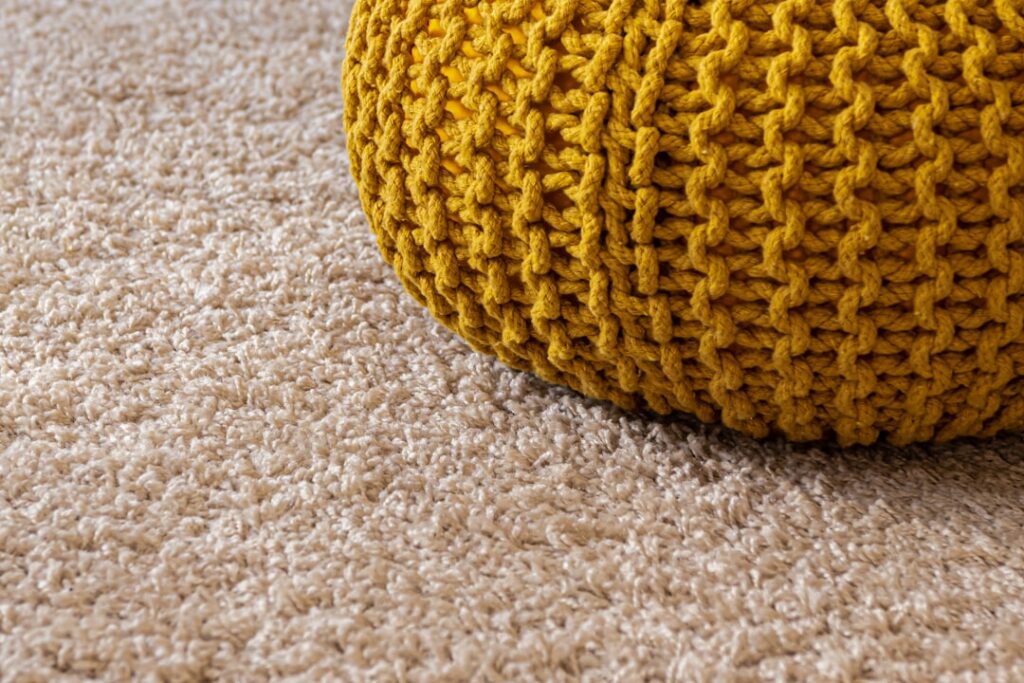
Of every carpet color on the market, none works in more rooms than warm, neutral tan. Tan carpet is the quiet workhorse of flooring, a flexible backdrop that flatters nearly any wall color, hides everyday soil better than pale beige, and reads warmer than cool grays. It’s been a top seller in American homes for decades because it simply never looks out of place. Having specified carpet for countless bedrooms, family rooms, and staircases, I’ll show you how to pick the right tan, the best fibers, and how to keep it looking fresh.
Why Tan Is So Versatile
Tan sits in the sweet spot between beige and brown, warm enough to feel cozy but neutral enough to disappear into any scheme. It pairs effortlessly with white trim, navy walls, sage greens, and rich wood tones, which is why decorators reach for it constantly. Unlike trendy colors that date quickly, tan stays relevant through changing styles.
It’s also forgiving in practice. A mid-tone tan camouflages crumbs, dust, and light foot traffic far better than the stark white and pale beige carpets that show every speck. For busy households, that practicality is a major reason tan endures.
Choosing the Right Shade
Tan covers a surprising range, and the undertone changes the whole feel of a room:
- Warm golden tan: cozy and inviting, great for bedrooms and dens
- Greige (gray-tan): a modern, slightly cooler neutral that bridges warm and cool decor
- Sandy tan: light and airy, opens up smaller rooms
- Deep camel: rich and grounding, hides soil best
Always view samples in your own room at different times of day, since lighting dramatically shifts how tan reads. A swatch that looks warm in the store can turn yellow or muddy under your home’s light. Tape several samples to the floor and live with them for a few days.
Fiber Options
Fiber determines durability, softness, and stain resistance more than color does. The main choices for tan carpet:
- Nylon: the most durable and resilient, ideal for high-traffic areas and stairs
- Polyester (PET): exceptionally soft and naturally stain-resistant, often made from recycled material, great value
- Triexta: very durable and stain-resistant, a strong middle ground
- Wool: the premium natural option, soft and beautiful but pricier and needs more careful cleaning
For bedrooms and lounges where comfort matters most, polyester delivers plush softness at a friendly price. For stairs and hallways that take a beating, nylon or triexta will wear far longer.
Pile Styles That Suit Tan
The pile style shapes both the look and the maintenance. Plush and Saxony piles give a smooth, formal, luxurious feel but show footprints and vacuum tracks. Textured cut pile, sometimes called a trackless or frieze, twists the fibers so it hides footprints and wear, which is why it’s so popular in busy homes.
Berber loop carpets offer excellent durability and a casual look, and tan flecked Berber hides soil beautifully. For a family room or basement, a textured cut pile or a tight loop in tan strikes the best balance of comfort, looks, and easy upkeep.
Decorating Around Tan Carpet
Tan’s neutrality is a gift for decorating. Because it doesn’t compete, you can layer almost any palette on top. For a calm, classic look, pair tan with cream walls and warm wood furniture. For contrast and energy, set it against deep navy, charcoal, or forest green walls, which pop against the warm floor.
Add visual interest with area rugs, throw pillows, and artwork, since the tan floor lets bolder accents shine without clashing. If a room feels flat, layering a patterned rug over the carpet introduces texture and depth while keeping the practical neutral base underneath.
Cost Expectations
Tan carpet spans the full price spectrum depending on fiber and quality:
- Builder-grade polyester: $1 to $2.50 per square foot
- Mid-range nylon and polyester: $2.50 to $5 per square foot
- Premium nylon and triexta: $5 to $8 per square foot
- Wool: $8 to $15-plus per square foot
Add $0.50 to $1.50 per square foot for padding and another $1 to $2 for professional installation. A typical 12 by 15 foot bedroom in a quality mid-range carpet runs roughly $700 to $1,200 installed. Never skimp on the pad, since a good cushion dramatically extends carpet life.
Keeping It Clean
Tan hides soil well, but it still needs care. Vacuum at least weekly to lift abrasive grit before it cuts the fibers. Treat spills immediately by blotting, never rubbing, and address stains while they’re fresh, since dried spots are far harder to remove from any carpet. Use a clean white cloth so dye doesn’t transfer.
Schedule professional deep cleaning every 12 to 18 months to refresh the pile and pull out embedded dirt, which runs $100 to $300 for a few rooms. Place mats at entries and consider a no-shoes policy in carpeted areas to keep outside grime off. With routine attention, a quality tan carpet stays warm, inviting, and good-looking for 10 to 15 years.
Best Rooms for Tan Carpet
Some spaces suit tan better than others. Bedrooms are the natural home for it, where its warmth and softness create a cozy, restful feel underfoot in the morning. Family rooms and finished basements benefit from its soil-hiding practicality in high-traffic, casual living. Home offices and stairs also work well, especially in a durable nylon that resists matting on heavily used treads.
Be more cautious about tan carpet in moisture-prone areas like basements without proper vapor control, where any carpet risks mildew. And while tan hides dry dirt, it can still show greasy or dark stains, so a mudroom or a high-spill kitchen-adjacent area may be better served by a hard floor or a washable rug. Match the carpet to the room’s real-life use, and tan rewards you with low-maintenance versatility almost everywhere else.
If you want a flooring color that flatters any decor, hides everyday dirt, and never goes out of style, tan carpet is one of the safest and most rewarding choices you can make. It bridges warm and cool palettes, pairs with everything from white trim to navy walls, and comes in fibers and piles for every budget and traffic level. Pick the right undertone for your light, invest in good padding, and keep up with regular vacuuming, and you’ll have a warm, welcoming floor that looks great for well over a decade.