Pick a floor color you will live with for fifteen years, and the safest bet is rarely the boldest one. Tan floor tile sits in that reliable middle ground, a warm beige neutral that flatters traditional and modern rooms alike, hides everyday dirt better than stark white, and gives you the freedom to change wall colors and decor without ever touching the floor. This guide covers where tan tile works best, how to pick the right grout, and what finishes and pairings keep it looking intentional rather than dated.
Part of our Tile & Grout guide — explore the full guide →
- Why Tan Is Such a Versatile Neutral
- Best Rooms for Tan Floor Tile
- Choosing the Right Undertone
- Grout Color Makes or Breaks the Look
- Finishes: Matte, Polished, and Textured
- Styling and Pairing Tan Tile
- Tan Tile Materials: Ceramic, Porcelain, and Stone
- Tile Size and Layout
- Maintenance and Longevity
- Is Tan Floor Tile Right for You
Why Tan Is Such a Versatile Neutral
Tan reads as warm where gray reads as cool, which makes it inviting in spaces you want to feel comfortable rather than clinical. Because it carries warm undertones, it pairs naturally with wood, cream, brown, and earthy accents while still playing nicely with cooler blues and greens for contrast.
That flexibility is the real selling point. A tan floor becomes a backdrop, letting you swap cabinetry, paint, and textiles over the years without the floor ever fighting your choices. It is the kind of decision that quietly pays off long after the remodel is done.
Best Rooms for Tan Floor Tile
Tan tile earns its place in almost every room, but a few spaces benefit most from its warmth and forgiving color.
- Bathrooms: Warm tan softens an otherwise cold, hard-surface room and pairs beautifully with cream or white fixtures.
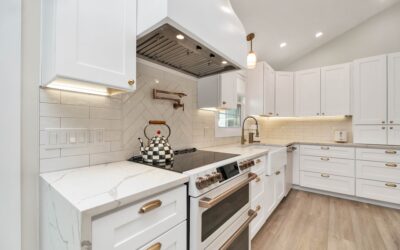
- Kitchens: It hides crumbs and footprints between cleanings and complements both wood and painted cabinets.
- Entryways and mudrooms: The mid-tone color disguises tracked-in dirt better than light or dark extremes.
- Open living areas: A consistent tan floor visually connects adjoining spaces without drawing attention to itself.
In high-traffic zones especially, the practical dirt-hiding quality of a mid-tone neutral is worth as much as the looks.
Choosing the Right Undertone
Not all tans are the same. Some lean pink or peach, others pull toward yellow or gray-beige (sometimes called greige). Those undertones decide what the tile pairs with, so it is worth checking samples in your own light before buying.
View tile samples at different times of day, since warm afternoon light and cool morning light shift how the undertone reads. Lay the sample next to your cabinets, vanity, or wall color to make sure the undertones agree rather than clash. A tan that looks perfect in the store can read too pink or too yellow once it is on your floor.
Grout Color Makes or Breaks the Look
Grout is the detail people forget until it is too late, and it changes the entire character of a tan floor. You have two broad directions, each with a different effect.
- Matching grout: A grout color close to the tile creates a seamless, expansive look that makes the floor feel larger and calmer.
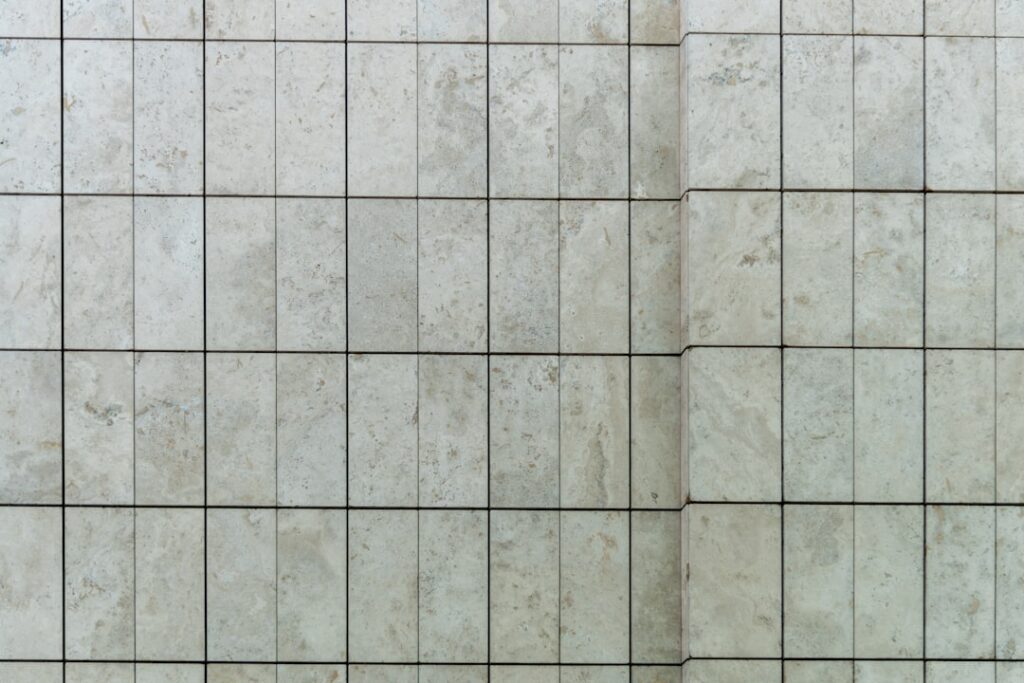
- Contrasting grout: A darker grout highlights each tile and adds a defined, graphic pattern, but it also draws the eye to every line.
For most tan floors, a grout within a shade or two of the tile gives a clean, timeless result. Whatever you choose, seal the grout in wet areas and consider a slightly darker tone in high-traffic spots so it does not show dirt as quickly. Bright white grout against tan tile tends to look stained within a year.
Finishes: Matte, Polished, and Textured
The surface finish affects both style and safety. A matte or honed finish hides smudges and offers more slip resistance, which makes it the better choice for bathrooms and entryways where floors get wet. A polished finish reflects more light and feels more formal but can be slick when damp.
Textured and wood-look tan tiles add grip and visual interest, useful in showers and outdoor-adjacent spaces. For a porcelain or ceramic tile, check the manufacturer’s slip-resistance rating if the floor will see water, and match the finish to how the room actually gets used.
Styling and Pairing Tan Tile
Because tan is a warm neutral, it anchors a huge range of palettes. Pair it with crisp white trim and cabinetry for a clean, classic look, or lean into earthy tones with terracotta, olive, and natural wood for a warmer, organic feel. Cool accents like navy, sage, or charcoal create contrast that keeps the warm floor from feeling flat.
Layer in texture through rugs, wood furniture, and woven baskets to give the neutral floor depth. The floor does the quiet work of tying everything together, so let your accents and textiles carry the personality of the room.
Tan Tile Materials: Ceramic, Porcelain, and Stone
Tan comes in nearly every tile material, and the material affects durability, cost, and where the tile belongs. Porcelain is the workhorse choice for floors: dense, hard, and water-resistant, it handles heavy traffic and wet rooms with ease, and many tan porcelain tiles convincingly mimic stone or wood. Ceramic costs a bit less and suits lighter-traffic areas, though it is generally less dense than porcelain.
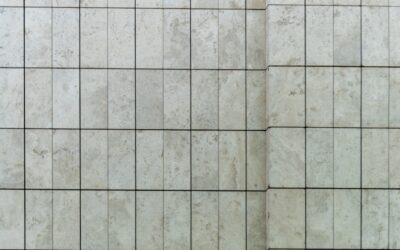
Natural stone in tan tones, such as travertine and certain limestones and sandstones, brings unmatched warmth and variation, but it needs sealing and more careful maintenance than porcelain. If you love the look of stone but want lower upkeep, a tan porcelain that imitates travertine gives you the appearance with far less fuss.
Tile Size and Layout
The size of the tile and the way it is laid change how a tan floor feels. Large-format tiles, such as 24-by-24-inch squares or oversized planks, create fewer grout lines and a clean, expansive look that makes a room feel bigger. Smaller tiles and mosaics add detail and grip, useful in showers and as accents.
Layout patterns add character too. A straight grid feels modern and orderly, a diagonal layout adds movement, and a wood-look plank in a staggered offset reads warm and natural. Pairing the right size and pattern with a complementary grout pulls the whole floor together and lets the warm neutral do its quiet work.
Maintenance and Longevity
Part of tan tile’s appeal is how easy it is to live with. Porcelain and ceramic resist stains and water, so routine sweeping and damp mopping keep them looking good, and the mid-tone color hides dust and footprints between cleanings. Sealing the grout, and the tile itself if it is natural stone, keeps moisture and stains from setting in.
Tile is also one of the longest-lasting floors you can install, often outlasting the decor around it by decades. Because tan is timeless rather than trendy, a quality tan tile floor can stay in style through multiple rounds of paint, furniture, and cabinetry changes, which makes it a genuinely cost-effective choice over the long run.
Is Tan Floor Tile Right for You
If you want a floor that is durable, forgiving, and flexible enough to outlast several decor changes, tan tile is hard to beat. It hides dirt, pairs with nearly any palette, and avoids the trend cycles that date bolder colors. The keys to getting it right are testing undertones in your own light, choosing a grout that complements rather than competes, and matching the finish to the room. Get those three details right and a tan floor will look deliberate and warm for years to come.
Prefer to explore on your own?
See how new flooring looks in your actual room in seconds — free, no signup.
Try the free Floor Studio →