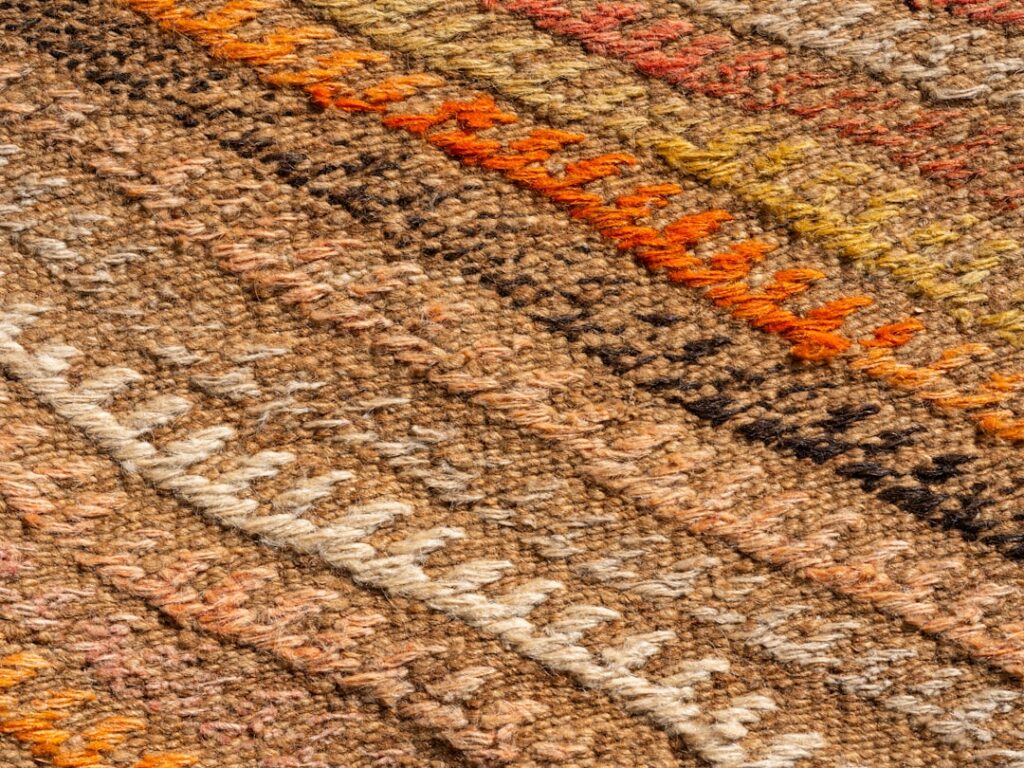
Few decorating choices are as quietly useful as a warm, neutral floor covering that goes with almost everything. A tan area rug brings soft, earthy warmth to a room without competing with your furniture or wall color, making it one of the most versatile and forgiving choices in interior design. Whether your style leans modern, farmhouse, coastal, or traditional, a well-chosen tan rug grounds the space and ties the whole room together.
The neutral color is the easy part. Choosing the right material, pile, and size for how you live is what separates a rug you love from one that disappoints. This guide walks through all of it, plus styling and care.
Why Tan Works in Almost Any Room
Tan sits in the sweet spot between beige and brown, warm enough to feel cozy but neutral enough to pair with nearly any palette. It hides everyday dirt and footprints better than pure white or pale gray, which makes it practical for busy households. And because it reads as a soft backdrop rather than a statement, it lets your furniture, artwork, and accent colors take center stage.
The shade also flatters a wide range of styles. Against white walls it feels coastal and airy; with wood tones it turns warm and rustic; alongside deep blues, greens, or charcoal it provides a grounding contrast. That flexibility is why designers reach for tan again and again.
Choosing the Right Material
The fiber determines how the rug feels, how it wears, and how easy it is to clean. Common options include:
- Wool: naturally soft, durable, and stain-resistant, with a luxurious feel. The premium choice, and it ages beautifully, though it costs more.
- Polypropylene: a synthetic that resists stains and moisture, easy to clean and budget-friendly, great for high-traffic and indoor-outdoor use.
- Polyester: soft and affordable with good color retention, comfortable underfoot in lower-traffic rooms.
- Jute and natural fibers: bring organic texture and an earthy look that complements tan beautifully, though they are rougher underfoot and less forgiving of moisture.
- Cotton: light, washable, and casual, ideal for smaller, low-traffic rugs.
Match the fiber to the room. A wool or polypropylene rug suits a busy living room, while a softer polyester or a textured jute might be perfect for a bedroom or reading nook.
Pile Height and Texture
How tall and dense the fibers stand changes both the look and the practicality. Low-pile rugs are easy to clean, work under doors and rolling chairs, and suit high-traffic areas and dining rooms. High-pile and shag rugs feel plush and cozy underfoot, ideal for bedrooms and lounging spaces, but they trap more debris and crush in busy zones.
Texture adds interest to a neutral rug. A flatweave reads clean and modern, a hand-loomed loop adds subtle dimension, and a high-low carved pattern creates visual depth even in a single tan tone. Since the color is understated, texture is where a tan rug can show real personality.
Getting the Size Right
Size is the detail most people get wrong, and it dramatically affects how finished a room feels. General guidelines:
- In a living room, aim to fit at least the front legs of the sofa and chairs onto the rug; a larger rug that holds all the furniture feels most cohesive.
- Under a dining table, choose a rug large enough that the chairs stay on it even when pulled out, usually adding about 24 inches beyond the table on all sides.
- In a bedroom, place a large rug under the bed extending well past the sides, or use runners on each side.
- Leave a consistent border of exposed floor around the rug, often 8 to 18 inches, rather than running it wall to wall.
Common sizes include 5×8, 8×10, and 9×12 feet, plus runners for hallways and round options for nooks. When in doubt, size up; a too-small rug makes a room feel disjointed.
Decorating With a Tan Rug
The beauty of a neutral base is how easily you can build around it. For a calm, layered look, pair tan with creams, whites, and other warm neutrals in a tonal scheme. For contrast and energy, anchor bolder furniture or accent pillows in navy, rust, sage, or black against the soft tan field. Natural materials like wood, leather, rattan, and linen all harmonize with the earthy tone.
Layering is another option: place a smaller patterned or textured rug over a large tan one to add depth without losing the neutral foundation. Because tan is so adaptable, you can change your accent colors seasonally and the rug will still work.
Care and Maintenance
Keeping a tan rug looking fresh is simple with regular attention. Vacuum frequently to remove the grit that wears fibers down, and blot spills immediately rather than rubbing, which pushes stains deeper. Spot clean with a mild solution suited to the fiber, testing in a hidden corner first, and rotate the rug periodically so foot traffic and sunlight wear it evenly.
Always use a quality rug pad underneath. It keeps the rug from sliding, adds cushioning, improves airflow, and extends the life of the rug. For wool and natural fibers, follow the manufacturer’s cleaning guidance, and consider professional cleaning every year or two for larger investment pieces.
Shades of Tan and Choosing the Right One
Tan is not a single color but a family of warm neutrals, and picking the right shade matters more than people expect. Lighter, sandy tans feel airy and coastal and brighten small or dim rooms, while deeper, caramel and camel tones add coziness and pair beautifully with rich wood and leather. Some tans lean pink or peach, others lean gray or greige, and the undertone determines what it harmonizes with in your space.
To choose well, bring home a sample or order a swatch and view it in your room’s actual light at different times of day. A tan that looks perfect in the store can read too yellow or too gray under your lighting. Hold it against your sofa, walls, and flooring to confirm the undertones agree, since clashing undertones are the most common reason a neutral rug feels slightly off.
Where a Tan Rug Works Best
Because it hides everyday dirt and pairs with anything, a tan rug suits nearly every room in the house. In living rooms it grounds the seating area and warms hard flooring. In bedrooms it offers a soft, neutral landing that calms the space. In dining rooms a low-pile tan rug stands up to chairs and the occasional spill, and in home offices it adds warmth without distraction. Durable synthetic versions even work in entryways and indoor-outdoor settings where a paler rug would show every footprint. Matching the fiber and pile to each room’s traffic level is the key to long-lasting satisfaction.
Final Thoughts
A tan area rug is one of the most practical and versatile foundations you can lay in any room, offering warmth, forgiveness of everyday dirt, and effortless compatibility with nearly any decor. Focus on matching the material and pile to how the room is used, size it generously so the furniture relates to it, and protect it with a good pad and routine care. Get those basics right and a warm neutral rug will quietly tie your space together for years to come.