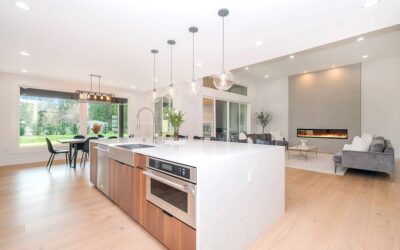
Few materials make a kitchen feel as sophisticated and grounded as black granite countertops kitchen installations. Black granite delivers a sense of permanence and luxury that lighter surfaces cannot replicate, and it serves as a dramatic anchor for virtually any design style — from sleek contemporary to warm traditional. At DnG Flooring, we have been installing granite countertops for over 30 years, and black granite remains one of our most requested materials. This guide walks you through the most popular types, realistic costs, cabinet pairings, and the maintenance essentials that keep black granite looking flawless for decades.
Part of our Countertops guide — explore the full guide →
Popular Types of Black Granite
Not all black granite is the same. The geological composition, mineral content, and quarry origin create distinct visual characteristics within the “black granite” category. Here are the types you will encounter most often.
Absolute Black (also called Nero Assoluto or Premium Black) is the purest, most uniform black granite available. Quarried primarily in India and South Africa, Absolute Black has minimal visible grain or mineral deposits — it reads as a deep, consistent black from any distance. This uniformity makes it the most popular choice for modern and minimalist kitchens where clean lines and simplicity dominate. It is also the most expensive black granite, typically ranging from $60 to $120 per square foot installed.
Black Galaxy (also called Star Galaxy) is quarried exclusively in the Ongole region of Andhra Pradesh, India. It features small, golden-bronze mineral flecks (bronzite crystals) scattered across a deep black background, creating a sparkling, celestial effect that gives the stone its name. Black Galaxy is one of the most recognizable and beloved granites in the world. It costs $50 to $100 per square foot installed and works beautifully in both traditional and contemporary kitchens.
Black Pearl is a more complex granite with a dark gray to black background and swirling patterns of silver, green, and brown mineral deposits. The movement and depth in Black Pearl make each slab unique — slabs from different blocks can look dramatically different. It is more visually dynamic than Absolute Black and works especially well in transitional and traditional kitchens. Pricing falls between $45 and $90 per square foot installed.
Titanium Black (also called Cosmic Black) features dramatic white, silver, and gold veining on a black background. The bold contrast makes it a statement piece — best used on islands or in kitchens where the countertop is the focal point. Because the veining varies significantly between slabs, always view your actual slab before committing. Costs range from $55 to $110 per square foot installed.
Ubatuba (also called Verde Ubatuba) reads as black from a distance but reveals deep green undertones with gold and silver mineral flecks up close. Quarried in Brazil, Ubatuba is one of the most affordable “black” granites at $35 to $70 per square foot installed. Its warmth and complexity make it particularly popular with oak, maple, and cherry cabinetry.
Cambrian Black (also called New Cambrian Black) is quarried in Canada and features a deep black base with subtle gray-green mineral striations. It is a true granite (unlike some imports labeled “granite” that are actually gabbro or diabase) and offers excellent hardness and consistency. Pricing ranges from $55 to $100 per square foot installed.
Cost and Pricing
Here is what to budget for black granite countertops kitchen projects in 2026.
Material cost by type:
- Ubatuba: $20 to $40 per square foot
- Black Pearl: $25 to $50 per square foot
- Black Galaxy: $30 to $60 per square foot
- Titanium Black: $35 to $65 per square foot
- Cambrian Black: $35 to $60 per square foot
- Absolute Black: $40 to $80 per square foot
Fabrication and installation: Add $20 to $40 per square foot for templating, fabrication (cutting, edge profiling, sink cutouts), and professional installation.
Total installed cost for a 40-square-foot kitchen:
- Budget (Ubatuba): $1,600 to $3,200
- Mid-range (Black Pearl, Black Galaxy): $2,000 to $4,000
- Premium (Absolute Black, Titanium Black): $2,400 to $4,800
Black granite is competitively priced with mid-range quartz. Ubatuba and Black Pearl are among the most affordable natural stone options on the market, making them excellent values for homeowners who want real stone at a moderate price.
Slab vs. tile: Granite tile (12×12 or 18×18 inch squares) installed as a countertop costs 40 to 60 percent less than slab granite. However, the grout lines between tiles compromise the upscale look and create maintenance challenges. Slab granite is strongly recommended for kitchen countertops.
Best Cabinet Pairings
Black granite is remarkably versatile, but some cabinet combinations produce especially striking results.
White cabinets + black granite is the most classic combination. The high contrast creates a crisp, clean kitchen that feels both timeless and contemporary. This pairing works with every type of black granite — from the uniform elegance of Absolute Black to the sparkle of Black Galaxy. Add brushed nickel or chrome hardware for a clean finish, or brass for warmth.
Light gray cabinets + black granite softens the contrast slightly for a more sophisticated, contemporary look. Gray and black share a neutral palette that feels cohesive without being dramatic. This combination is particularly popular in modern and transitional kitchens.
Natural wood cabinets + black granite create warmth and richness. Light woods (maple, birch, white oak) paired with black granite produce a Scandinavian-inspired look that feels organic and inviting. Dark woods (walnut, cherry, espresso-stained oak) paired with black granite create a luxurious, den-like atmosphere — use ample lighting to prevent the space from feeling heavy.
Navy blue cabinets + black granite is a bold, sophisticated pairing that has surged in popularity. The deep blue and black combination reads as rich and layered rather than dark and heavy, especially when paired with brass hardware and a light backsplash.
Dark cabinets + black granite (black-on-black or very dark gray) creates a dramatic, moody kitchen. This works best in well-lit spaces and open floor plans where the kitchen is not enclosed. Add contrast through the backsplash (white marble, light subway tile) and hardware (brass, gold) to prevent the space from feeling like a cave.
Cream and off-white cabinets + black granite deliver a traditional, elegant kitchen. The warmer white tones soften the starkness of the black granite and pair especially well with warm-toned stones like Ubatuba and Black Pearl.
Pros and Cons
Pros:
- Timeless beauty. Black granite never goes out of style. It has been a premium countertop choice for decades and shows no signs of fading from fashion.
- Extreme durability. Granite scores 6 to 7 on the Mohs hardness scale and handles heat, scratches, and daily wear without damage. Hot pans can be placed directly on the surface.
- Unique natural beauty. Every slab is one of a kind. The mineral patterns, flecks, and veining in natural granite cannot be replicated by any manufactured material.
- Strong resale value. Granite countertops consistently rank among the top kitchen features that attract buyers and support higher sale prices.
- Long lifespan. Properly maintained granite countertops last 50 years or more — effectively the lifetime of the home.
- Versatile design. Black granite complements virtually every cabinet color, hardware finish, and kitchen style.
Cons:
- Shows everything. Fingerprints, water spots, crumbs, and dust are highly visible on polished black surfaces. You will wipe the countertop frequently to maintain the clean look.
- Requires sealing. Granite is porous and needs annual sealing to prevent stain absorption. Black granite shows stains less visibly than light granite, but sealing is still essential.
- Etching risk. Acidic substances (lemon juice, vinegar, tomato sauce) can etch polished black granite, leaving dull marks. This is more visible on black surfaces than on lighter ones.
- Heavy. Granite weighs 18 to 20 pounds per square foot. Cabinets must be structurally sound to support the weight, and large overhangs need steel brackets or corbels.
- Color variation between slabs. If your kitchen requires multiple slabs, matching the color and pattern across pieces can be challenging. Always view all slabs side by side at the stone yard.
Finish Options
The finish you choose for your black granite dramatically affects both appearance and maintenance.
Polished finish is the most popular choice for black granite. The high-gloss surface creates a mirror-like reflection that showcases the stone’s depth and mineral content. Black Galaxy’s golden flecks, for example, sparkle most dramatically with a polished finish. The downside is that polished black surfaces show fingerprints, water spots, and etching marks more readily than any other finish.
Honed finish produces a smooth, matte surface with no reflection. Honed black granite has a softer, more understated appearance that works well in contemporary and rustic kitchens. It hides fingerprints and water spots far better than polished granite. However, the open-pore matte surface is more prone to staining and requires more frequent sealing.
Leathered finish (also called antiqued or brushed) creates a textured surface with a soft sheen. The texture is achieved by running diamond brushes across the honed surface, leaving a slightly rough, organic feel. Leathered black granite hides fingerprints, water marks, and minor scratches while adding a tactile dimension that polished and honed finishes lack. This finish has become increasingly popular for black granite in 2026.
Flamed finish creates a rough, slip-resistant surface by exposing the granite to high-temperature flames that cause the mineral crystals to pop. Flamed finishes are primarily used for outdoor applications and are rarely seen on kitchen countertops.
Our recommendation: For the best balance of beauty and practicality, consider a leathered finish for high-use kitchen areas (it hides daily wear) and a polished finish for the island or bar where the granite is on display but sees less heavy use.
Etching Prevention and Care
Etching is the most common cosmetic issue with black granite countertops kitchen surfaces. Understanding what causes it and how to prevent it protects your investment.
What is etching? Etching is a chemical reaction between acidic substances and the calcite minerals in granite. It creates dull, light-colored marks on the polished surface. Etching is not a stain — it is actual surface damage to the polish. It is most visible on dark, polished surfaces where the contrast between polished and etched areas is dramatic.
Common etching culprits: Lemon juice, lime juice, vinegar, tomato sauce, wine, coffee, and acidic household cleaners (anything with citric acid or vinegar). Even prolonged contact with carbonated beverages can cause mild etching.
Prevention strategies:
- Wipe up acidic spills immediately — within seconds, not minutes.
- Use cutting boards when preparing citrus fruits, tomatoes, and other acidic foods.
- Avoid vinegar-based and citric-acid cleaners on granite. Use pH-neutral granite cleaners or mild dish soap.
- Place coasters under drinks, especially wine and cocktails.
- Seal your granite annually. While sealing primarily prevents staining (not etching), a quality sealer provides a thin barrier that slows acid penetration.
Repairing etch marks: Mild etching can sometimes be buffed out with a granite polishing compound (like MB Stone Care’s MB-20 or Tenax Proseal) and a soft cloth. Deep etching requires professional re-polishing with diamond pads. For honed or leathered finishes, etching is far less visible because the surface already lacks the glossy polish that etching disrupts.
Daily Maintenance
Black granite maintenance is straightforward but requires consistency.
Daily cleaning: Wipe with a soft microfiber cloth dampened with warm water and a few drops of pH-neutral dish soap. Rinse with clean water and dry with a separate microfiber cloth to prevent water spots. On polished black granite, drying is the key step — water spots on polished black surfaces are immediately visible.
Weekly deep cleaning: Spray with a dedicated granite cleaner (Method Daily Granite, Granite Gold, or similar pH-neutral product) and wipe clean. These products clean without stripping the sealer or damaging the polish.
Annual sealing: Apply a penetrating granite sealer once per year. The process takes 15 to 30 minutes: clean the surface, apply the sealer with a soft cloth, let it absorb for 15 to 20 minutes, then buff off the excess. High-quality sealers like Stonetech BulletProof, Tenax Proseal, and SCI Impregnator Pro provide 12 to 24 months of protection per application.
Water test for sealing: To determine if your granite needs resealing, place a few drops of water on the surface and wait 10 minutes. If the water beads and remains on the surface, the sealer is intact. If it absorbs and darkens the stone, it is time to reseal.
Avoid these products on granite: Bleach, ammonia, vinegar, Windex, generic all-purpose cleaners, and abrasive scrubbing pads. These strip the sealer, etch the surface, or scratch the polish.
Design Ideas and Inspiration
Here are design strategies that maximize the impact of black granite countertops kitchen installations.
Waterfall island. Running black granite down the side of a kitchen island creates a stunning waterfall effect. Absolute Black is the best choice for waterfall edges because its uniform color makes the corner seam less visible.
Contrasting backsplash. A white marble or light subway tile backsplash behind black granite creates depth and visual separation between the countertop and upper cabinets. The contrast prevents the kitchen from feeling heavy while highlighting the granite’s rich color.
Full-height backsplash. Using the same black granite as both the countertop and the backsplash (running from countertop to upper cabinets) creates a cohesive, dramatic wall of stone. This works best with patterned granites like Black Galaxy or Titanium Black, where the pattern adds visual interest across the larger surface area.
Mixed countertop materials. Use black granite on the island and a lighter material (white quartz, butcher block, or marble) on the perimeter — or vice versa. This mixed approach adds visual variety and lets you enjoy the drama of black granite without committing the entire kitchen to a single dark surface.
Under-cabinet lighting. LED strip lights beneath upper cabinets illuminate the black granite surface and make the mineral flecks in stones like Black Galaxy and Black Pearl come alive. Without good lighting, black granite can look flat and absorb light rather than reflect it.
Metallic hardware and fixtures. Gold, brass, and copper hardware pop against black granite. These warm metals create elegant contrast and prevent the kitchen from feeling cold or sterile. Brushed nickel and chrome work well for contemporary styles.
Frequently Asked Questions
Is black granite good for kitchens?
Black granite is an excellent kitchen countertop material. It is extremely durable, heat-resistant, scratch-resistant, and available in a range of patterns from uniform to dramatic. The primary maintenance consideration is that polished black surfaces show fingerprints, water spots, and etching marks more visibly than lighter stones. If you are comfortable with regular wiping and annual sealing, black granite is a beautiful, long-lasting choice.
What is the most popular black granite?
Black Galaxy is the most popular black granite worldwide due to its distinctive golden flecks and consistent appearance. Absolute Black is the most popular choice for modern kitchens that want a clean, uniform look. Ubatuba is the most popular budget-friendly option. The “best” choice depends on your design style, budget, and how much pattern variation you want in the stone.
Does black granite stain easily?
Black granite actually hides stains better than light granite because discoloration is less visible against the dark background. However, unsealed black granite can still absorb oil, wine, and other liquids that leave marks. Consistent annual sealing prevents virtually all staining. The bigger concern with black granite is etching from acidic substances, which creates visible dull spots on polished surfaces.
How do you keep black granite countertops shiny?
Clean daily with a pH-neutral cleaner and dry with a microfiber cloth to prevent water spots. Avoid acidic and abrasive cleaners that dull the polish. Seal annually to maintain the surface’s resistance to staining and etching. For granite that has lost its shine over time, a granite polishing compound applied with a soft cloth can restore the luster. For severely dulled surfaces, professional re-polishing with diamond pads restores the factory finish.
Is black granite more expensive than white granite?
It depends on the specific stone. Budget black granites like Ubatuba ($35 to $70 per square foot installed) are among the most affordable granite options available. Premium blacks like Absolute Black ($60 to $120) are moderately priced. Some rare white granites (White Ice, River White) cost more than most black varieties, while common whites (Dallas White, Colonial White) are similarly priced to mid-range blacks. Compare specific stones rather than color categories for accurate pricing.