Failed window seals are the leading cause of foggy double-pane glass and account for 7 to 12 percent of all residential window replacement claims. A proper glass seal — whether for an insulated window unit, a shower door, or a glass countertop — protects against water intrusion, fogging, and air leaks. DIY repair products range from $8 silicone tubes to $250 professional defogging kits, while pro re-sealing services cost $80 to $250 per window.
How Insulated Glass Seals Work
Double- and triple-pane windows use a polyisobutylene primary seal and a silicone or polysulfide secondary seal around the perimeter. The space between panes is filled with argon or krypton gas for insulation. When seals fail, gas escapes and humid air enters, causing the telltale fog and white mineral deposits.
Most insulated glass units (IGUs) carry a 10- to 20-year seal warranty. Premium brands like Andersen 400 Series and Marvin Signature reach 25 years.
Diagnosing Seal Failure
Visible signs include condensation between panes, mineral haze or rainbow patterns, or distortion when looking through glass at an angle. Use a flashlight at night from outside — if you can see streaks or droplets inside the sealed pane, the seal has failed.
Sash leaks (gaps around the frame) feel like air movement on your hand and cause higher utility bills, while seal failures appear visually inside the glass itself.
DIY Glass Seal Repair Options
For minor sash leaks (not internal IGU failures), use exterior-grade silicone caulk like GE Silicone II ($7 per tube) or DAP Dynaflex 230 ($9). Apply with a $5 caulk gun and smooth with a wet finger. Cure time is 24 to 48 hours.
For internal IGU fogging, products like the Crystal Clear Defogger Kit ($150 to $250) drill a tiny port in the glass, dry the cavity, and reseal. Results are mixed; many homeowners report results lasting only 1 to 3 years.
Window Replacement vs Seal Repair
If a single IGU has failed and the frame remains good, ordering a replacement glass pack from the manufacturer costs $150 to $400 and a glazier installs in 30 to 60 minutes. The full window does not need to be replaced.
If multiple windows have failed within a few years of each other, the original manufacturer batch likely had a defect. Document with photos and contact warranty support before paying for replacements.
Shower Glass Seal Replacement
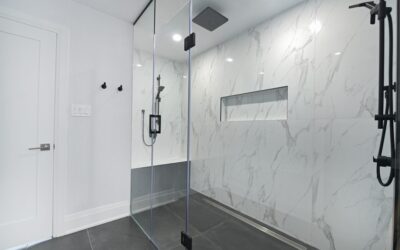
Frameless and semi-frameless shower doors use vinyl sweep seals at the bottom and side gaskets to keep water in. Replacement sweeps from Prime-Line or Frost King cost $8 to $20 and slide into existing channels.
Measure the door thickness (typically 3/8 or 1/2 in.) and glass channel width before buying. Clean the channel with a razor and Goo Gone before installing the new sweep to ensure a tight grip.
Caulking Around Glass Surfaces
Bathroom shower glass needs perimeter caulking with 100 percent silicone — never latex. GE Sanitary Silicone or DAP Kwik Seal Ultra ($8 to $11) resists mildew for 5 to 10 years.
Strip old caulk completely with a Hyde 5-in-1 painter’s tool ($10) before applying new. Rough or uneven beads trap water and shorten the seal life. Tape both sides of the joint with painter’s tape, run the bead, smooth, then pull tape immediately for crisp lines.
Glass Countertop and Tabletop Seals
Tempered glass counters and tabletops need a clear silicone bead where the glass meets the cabinet rail or table edge. Use GE Silicone Window and Door clear ($9) for invisible joints.
Wipe the substrate with isopropyl alcohol first. Apply a 1/8 in. bead, then smooth with a plastic spreader. Allow 24 hours before placing weight on the glass. The seal prevents water and crumbs from migrating below and shifting the glass.
Auto and Skylight Sealing
Skylight glass seals are particularly prone to failure because of UV exposure and roof-temperature cycling. Velux and Sun-Tek units use butyl-tape gaskets that should be inspected every 5 to 7 years.
For minor leaks, NP1 polyurethane sealant ($12 per tube) outperforms silicone in roofing applications. Apply during dry weather between 50 and 90 °F for proper cure. Severe failures require professional flashing inspection.
Maintenance to Extend Seal Life
Sun, heat, and water are the enemies of every glass seal. Apply UV-blocking window film (Gila or 3M, $6 to $12 per sq ft installed) on south- and west-facing windows to reduce thermal cycling.
Squeegee shower glass after each use to reduce mineral buildup on bottom sweeps. Wipe exterior window caulk twice a year with mild soap to remove dirt that holds moisture against the bead.
When to Call a Glazier
Hire a professional glazier for IGUs larger than 30 sq ft, structural glass walls, or any single pane heavier than 60 lb. The labor savings from DIY do not outweigh the risk of dropped glass on these jobs.
For routine repairs and small windows, a confident homeowner with a caulk gun and a Saturday afternoon can extend a glass seal’s life by years. Either way, address fogging and leaks within a season — the longer they sit, the worse the surrounding frame damage gets.