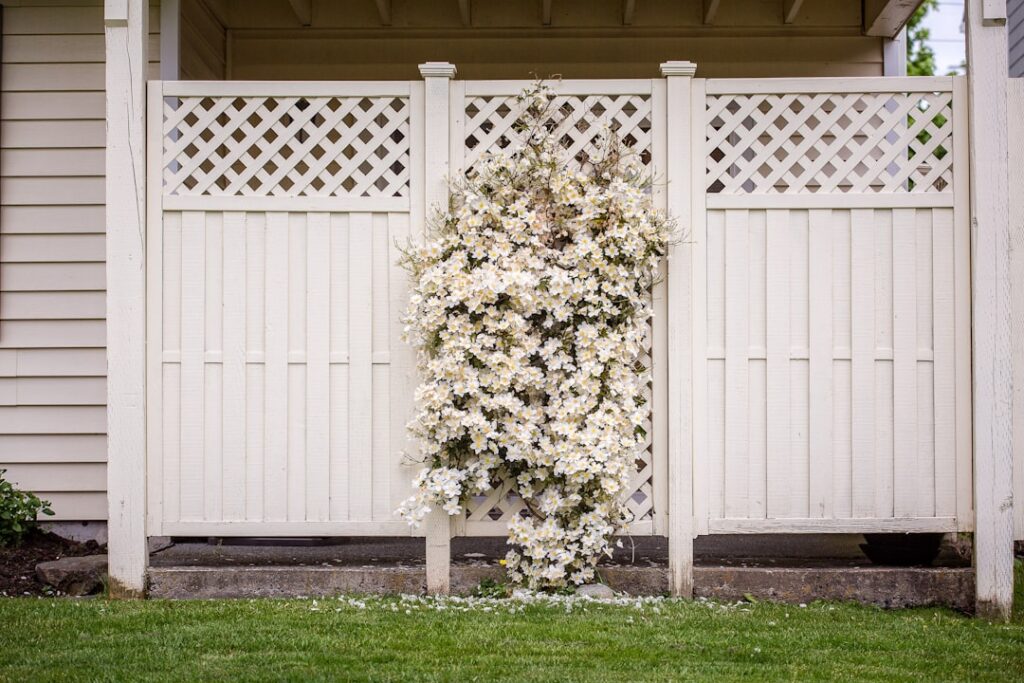
A blank vinyl fence is an invitation for hanging baskets, but drilling into vinyl is exactly what you do not want to do. Vinyl fence plant hangers are designed to hold planters securely without screws, drilling, or anything that voids the fence warranty or lets water into the panel. The trick is choosing a hanger that grips the post or rail without stressing the vinyl, then keeping the loaded weight within safe limits. Get both right and you can turn a plain privacy fence into a vertical garden that comes down without a trace.
Why You Should Not Drill Into a Vinyl Fence
Vinyl fence panels and posts are hollow, often reinforced only at key points. Drilling a hole creates a stress riser where cracks start, and in cold weather brittle vinyl can split outward from a screw. Worse, any penetration lets rainwater inside the hollow post, where it sits, freezes, and works the crack wider over the seasons. Most manufacturers also consider drilled holes a warranty violation. No-drill hangers exist precisely because the right answer is to clamp on, not bore through.
Types of No-Drill Vinyl Fence Plant Hangers
Several bracket styles grip vinyl without fasteners. Pick based on whether you are hanging from a flat rail, a post cap, or the top edge of a panel.
- Over-the-rail brackets: A J-shaped or saddle bracket that hooks over the top of a horizontal rail or panel, with the planter hanging on the visible side. Simple, removable, and the most common choice.
- Post-mount clamp brackets: Adjustable clamps that wrap around a square post and tighten with a knob or thumbscrew, distributing pressure across a wide pad so they do not dent the vinyl.
- Post-cap hooks: Hangers that sit under or replace a post cap, ideal for a single hanging basket at the end of a fence run.
- Tension or strap-style hangers: Rubber-lined straps or bungee-style mounts that cinch around a rail without any hardware bite.
Look for brackets with rubber or foam pads where they contact the vinyl. Those pads prevent scratches and spread the load so a narrow metal edge never digs into the surface.
Hook Types and What They Hold
Once the bracket is on, the hook style determines what you can hang. Single curved hooks suit one basket; double hooks or extended arms let you stagger two planters at different heights. Shepherd-hook style arms hold a basket out away from the fence so trailing plants drape without rubbing the vinyl. For lighter decor like solar lanterns or small herb pots, simple S-hooks on an over-the-rail bracket are plenty.
Weight Limits Matter More Than You Think
The mistake people make is judging weight by the empty pot. A 12-inch hanging basket might weigh three pounds dry, but soaked soil after watering can push it to 15 or 20 pounds. Always plan around the wet, fully planted weight, not the showroom weight.
Most no-drill vinyl fence plant hangers are rated for roughly 10 to 25 pounds per bracket, and the manufacturer will state a limit. Treat that number as a ceiling, not a target. A few rules keep things safe:
- Stay under the rated capacity by a comfortable margin, ideally loading to no more than two-thirds of the maximum.
- Use lightweight potting mix and consider self-watering or plastic pots instead of heavy ceramic or terracotta.
- Spread planters across multiple brackets rather than ganging heavy baskets on one rail.
- Mount over a rail or near a post where the fence is strongest, not in the unsupported middle of a thin panel.
How to Hang Planters Without Damaging Vinyl
Installation is quick, but a few steps prevent dents and sagging. Clean the rail first so grit between the pad and vinyl does not scratch as the bracket settles. Position the bracket over a reinforced rail or close to a post. Tighten clamp-style brackets snug but not crushing; you want firm grip, not deformed vinyl. After hanging, water the plant and check that the bracket has not slipped or bowed the rail. Recheck after the first heavy rain.
Wind is the other factor people forget. A loaded basket acts like a sail. In exposed yards, choose lower-profile plants or move baskets to a sheltered section during storms so gusts do not lever a bracket loose.
Best Plants for Fence Hangers
Plant choice affects both the look and the load. Lightweight trailing plants are ideal because they drape over the fence and stay manageable even when watered. Strong performers for a sunny vinyl fence include trailing petunias, calibrachoa, lobelia, and ivy geraniums, all of which spill nicely and stay relatively light. For shadier fences, ferns, fuchsia, and trailing begonias work well.
Herbs are another smart pick for a kitchen-garden fence. Compact basil, thyme, oregano, and trailing rosemary stay small, smell great, and put your seasonings within reach. Avoid top-heavy plants and large shrubs that grow into dense, water-soaking masses; they push the bracket toward its limit fast and act like sails in the wind. When in doubt, go with several small lightweight planters spread along the fence rather than one big heavy basket.
Care and Seasonal Tips
Vinyl handles sun and rain well, but trapped moisture against the fence can leave watermarks or algae. Leave a small gap between the planter and the panel for airflow, and wipe the contact area occasionally. In freezing climates, take brackets down for winter; cold makes vinyl brittle, and an empty bracket left clamped through a hard freeze is one more stress point you do not need.
With the right no-drill vinyl fence plant hangers, realistic weight planning, and a little seasonal care, you get a living, colorful fence line that leaves your vinyl exactly as warranty-intact as the day it was installed.
Prefer to explore on your own?
See how new flooring looks in your actual room in seconds — free, no signup.
Try the free Floor Studio →