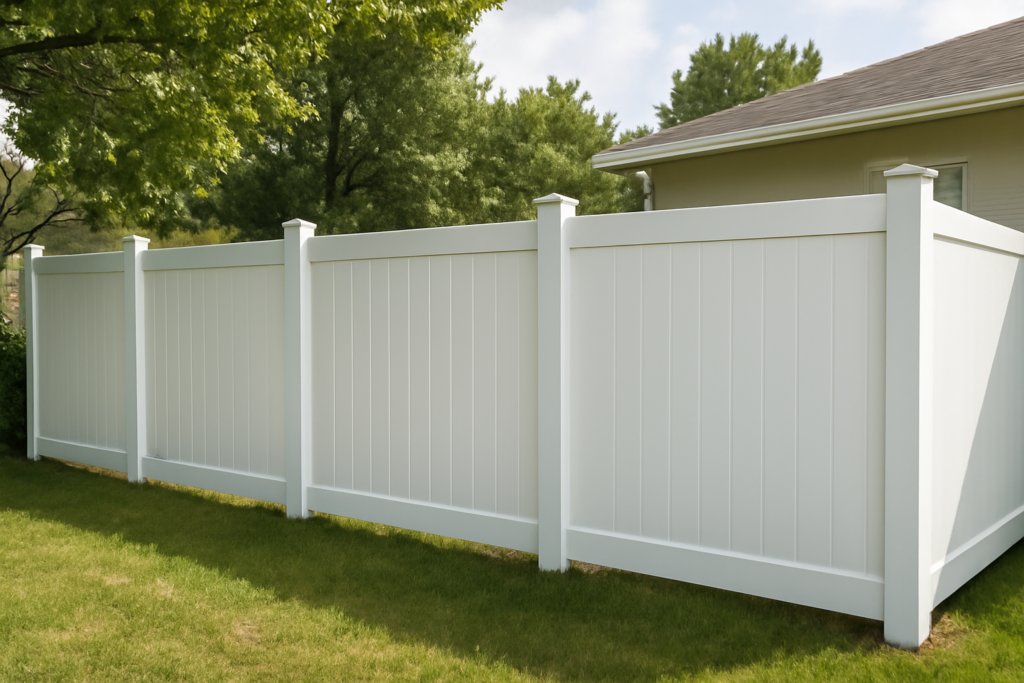
Wood fences rot, warp, and demand repainting every few years, which is exactly why so many homeowners switch to vinyl. Vinyl fencing panels deliver the privacy and curb appeal of a classic fence with almost none of the maintenance, holding their color and shape for decades. If you are weighing a new fence, understanding the panel styles, costs, and installation basics will help you decide whether vinyl is the right call for your yard.
- What Vinyl Fencing Panels Are
- Common Styles of Vinyl Fence Panels
- The Advantages of Vinyl Fencing
- The Drawbacks to Weigh
- Cost Expectations
- Installation Basics
- Maintenance and Cleaning
- Judging Panel Quality Before You Buy
- Gates and Hardware Considerations
- Planning for Slopes and Property Lines
- Vinyl versus Wood and Aluminum
- The Bottom Line
What Vinyl Fencing Panels Are
Vinyl fence panels are pre-assembled sections made from PVC, the same durable plastic used in many home products. They come as ready-to-install panels that slide into or attach to posts, dramatically speeding up assembly compared to building a wood fence board by board. The material is engineered to resist moisture, insects, and UV fading.
Common Styles of Vinyl Fence Panels
Vinyl is versatile, and the panel style sets the function and look of your fence:
- Privacy panels: Solid, full-height sections with no gaps, ideal for backyards and pool areas.
- Semi-privacy panels: Mostly solid with a decorative top lattice or small gaps for airflow and light.
- Picket panels: Spaced vertical pickets for a classic front-yard look.
- Ranch rail panels: Two or three horizontal rails for marking boundaries on larger lots.
- Lattice-top panels: Privacy below with an open lattice section on top.
The Advantages of Vinyl Fencing
The appeal is mostly about what you do not have to do. Vinyl never needs painting or staining, resists rot and insects, and wipes clean with a hose. It will not splinter, which is safer around kids and pets, and quality panels carry long warranties. Color runs through the material, so scratches are less noticeable than on painted surfaces.
The Drawbacks to Weigh
Vinyl is not flawless. The upfront cost is typically higher than wood, even though it saves money over time. In extreme cold, vinyl can become more brittle and crack on impact, and intense sun can cause lower-grade products to fade or yellow. Color options are more limited than paintable wood, and a damaged panel usually has to be replaced rather than patched. Quality varies widely, so thicker, UV-stabilized panels are worth the premium.
Cost Expectations
Vinyl fencing generally costs more per linear foot than wood up front but less than ornamental metal in many cases. Material plus installation commonly runs in the range of 20 to 40 dollars per linear foot, with privacy panels at the higher end and picket or rail styles lower. The exact figure depends on panel height, style, your region, and whether you install it yourself.
Installation Basics
A vinyl fence is faster to assemble than wood, but the posts are everything. Here is the general sequence:
- Mark the fence line, check property boundaries, and call to locate underground utilities before digging.
- Dig post holes below your local frost line and set the posts in concrete, keeping them perfectly plumb.
- Let the concrete cure before hanging panels.
- Slide or attach the panels between posts according to the manufacturer’s system.
- Cap the posts and check that gates swing freely.
Properly set, concrete-anchored posts are what keep a vinyl fence from leaning or popping panels loose over time.
Maintenance and Cleaning
This is where vinyl pays you back. Most panels only need an occasional rinse with a garden hose to remove dust and pollen. For mildew or stubborn grime, a soft brush with mild soapy water does the job. Avoid abrasive cleaners and pressure washing at very close range, which can damage the surface. There is no sanding, no staining, and no repainting.
Judging Panel Quality Before You Buy
Not all vinyl fencing is created equal, and the price difference usually reflects real quality differences. Look at wall thickness first, since thicker walls resist cracking and stay rigid in heat and cold. Ask whether the vinyl is UV-stabilized, which protects against yellowing and chalking in the sun. Check that posts are reinforced or accept internal metal or wood inserts for added strength, especially for tall privacy panels and gates. Co-extruded panels with a tougher outer layer hold up better than thin, single-layer products. Spending more on a quality panel up front saves you from replacing a cracked or faded fence years early.
Gates and Hardware Considerations
The gate is the hardest-working part of any fence, and it deserves extra attention. Vinyl gates often need internal aluminum reinforcement to keep them from sagging over time, since the panel weight pulls on the hinge side. Use heavy-duty, rust-resistant hinges and a solid latch rated for the gate size. Set the gate posts especially deep and well-anchored in concrete, because they take repeated stress every time the gate swings. A little extra investment in gate hardware and post setting pays off in a gate that still closes squarely years down the road.
Planning for Slopes and Property Lines
Two things trip up homeowners before the first post goes in the ground. The first is sloped terrain. On a hill, you either step the panels down in level sections, which creates a staircase look with small gaps under each panel, or you order rackable panels that follow the grade for a continuous line. Decide which look you want before ordering, since standard panels do not flex much. The second is property lines. Confirm exactly where your boundary sits, check local setback rules and any homeowner association requirements, and have underground utilities marked before you dig. A fence built a foot over the line or without a required permit can become an expensive problem to undo.
Vinyl versus Wood and Aluminum
Wood costs less up front and offers a natural look but demands ongoing maintenance and will eventually rot. Aluminum suits decorative and security fencing but offers little privacy. Vinyl sits in the middle as a low-maintenance privacy option with a clean, uniform appearance. If you want to install once and forget about upkeep, vinyl is hard to beat.
The Bottom Line
Vinyl fencing panels trade a higher upfront cost for years of freedom from painting, staining, and rot repair. Choose a thicker, UV-stabilized panel in the style that fits your needs, set the posts properly in concrete below the frost line, and your fence will keep its color and form with little more than an occasional rinse.