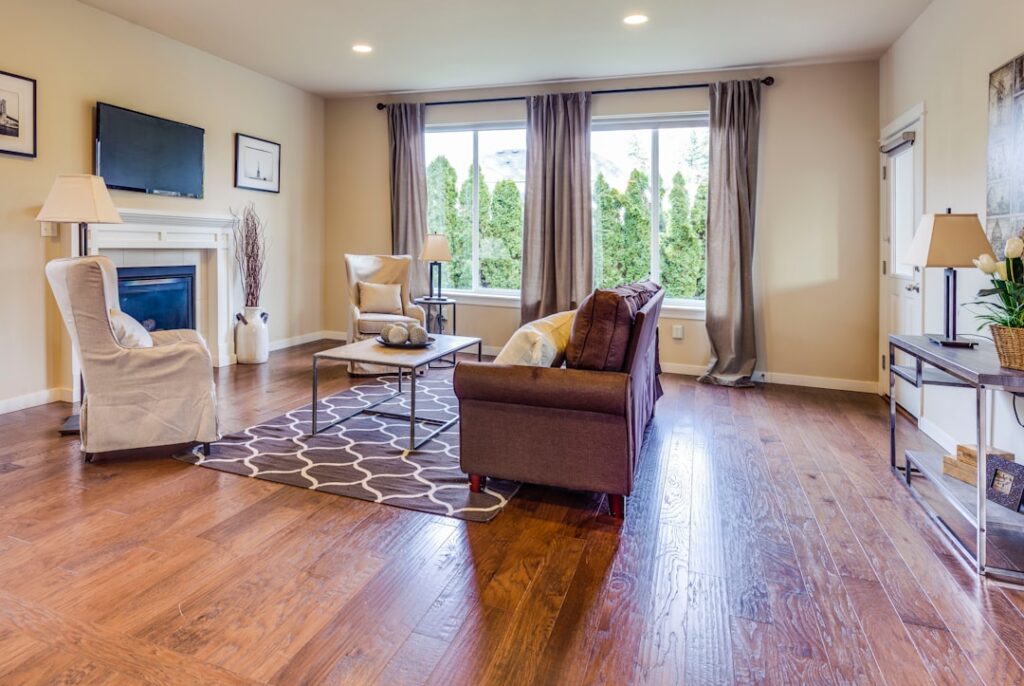
Walk into any home with a dull, scuffed LVP and the first instinct is to mop harder. That rarely fixes anything. The right vinyl flooring polish can restore sheen, hide micro-scratches, and add a sacrificial wear layer that protects the printed film below your 12 mil or 20 mil top coat. Used incorrectly, though, it builds a hazy film that bonds to dirt and forces a full strip and refinish.
What Vinyl Polish Actually Is
Polish is a water-based acrylic or urethane emulsion that dries to a clear, glossy or satin film. Most consumer brands run 14 to 22 percent solids. Higher solids equal more build per coat, but also more risk of streaks on first-time application.
Do not confuse polish with wax. Carnauba and paste wax belong on no-wax LVP from twenty years ago; modern click-lock luxury vinyl plank from Shaw, Mohawk, Mannington, and COREtec already ships with a urethane factory finish. Polish refreshes that factory layer rather than replacing it.
The Honest Pros
A good polish hides hairline scratches that catch light at low angles. It restores the depth that aged sheet vinyl loses around entry mats and pet bowls. On commercial LVT in waiting rooms and small retail, a fresh coat extends the practical life of the floor by 18 to 24 months before stripping is needed.
Cost is reasonable. A gallon of Quick Shine Multi-Surface, Bona Polish for Stone Tile and Laminate (works on vinyl), or Rejuvenate Professional runs $18 to $45 and covers 500 to 1,000 square feet per coat.
The Cons Nobody Mentions on the Bottle
Polish is a maintenance commitment. Once you start, you cannot just stop. Acrylic film yellows, scratches, and traps soil. After two or three years of recoats without stripping, you get a cloudy amber haze that no mop will lift.
Some warranties exclude floors that have been polished. Shaw Floorte and several Mannington Adura lines specifically state that wax or polish voids the gloss warranty. Read the install packet before applying anything.
Brand Spotlight: What Pros Actually Use
For residential LVP and sheet vinyl, three products dominate. Quick Shine Multi-Surface costs roughly $9 a quart at Walmart and lays down a soft satin. Rejuvenate Professional Floor Restorer runs about $30 for 32 ounces and builds a thicker high-gloss film, well suited to dated 1990s vinyl that needs visual rescue. Bona Stone Tile and Laminate Polish ($20 per 32 oz) is gentler, faster drying, and the safest pick if you might recoat hardwood later in the same house.
On the commercial side, Hillyard Top Gloss and Diversey Vectra get applied in two to four thin coats with a microfiber flat mop or a 10-inch lambs wool applicator. Strip every 18 months with a neutral pH stripper before the haze sets in.
Step by Step Application
Skip a single step and you will see it for a year. Vacuum first, then damp-mop with a pH-neutral cleaner like Bona Pro or Mannington Ultra Clean. Let the floor dry a full 30 minutes. Pour the polish into a clean tray, never the bottle cap. Apply in thin overlapping S-strokes with a flat-mop microfiber, moving toward the exit door. Wait 45 minutes between coats. Two coats is plenty for a home; commercial LVT can take four. Stay off the floor for six hours, no rugs for 24, no heavy furniture for 48.
When Polish Is the Wrong Answer
If the wear layer is gouged down to the printed film, polish only highlights the damage. SPC and rigid-core LVP with 20 to 22 mil wear layers from Pergo Extreme or COREtec Pro Plus rarely need polish at all in residential settings. A microfiber mop and a quarterly deep clean with Bona Pro or Mr. Clean Floor Cleaner is enough.
Likewise, do not polish floors in wet zones without confirming the product is rated for moisture. Bathrooms with frequent splash will lift acrylic film at the edges within months.
Pricing and Coverage Math
Most homeowners polish 600 to 900 square feet of vinyl with a single 32 oz bottle, applying two coats. That is roughly $0.04 to $0.07 per square foot per recoat cycle. Compared to replacing 800 square feet of LVP at $3 to $7 installed, an annual polish is cheap insurance for floors with another five to eight years of life left.
Pro Tips That Save a Refinish
Buy felt pads for every chair leg before you polish, not after. Polish cures harder than vinyl and a single dragged dining chair will telegraph through the new coat. Test in a closet first, especially on textured embossed-in-register vinyl, where polish can pool in the grain and dry milky. Always work toward an exit so you do not paint yourself into a corner.
How Often to Polish
For residential floors, twice a year is plenty in most homes. Apply once in spring after winter grit has scratched the floor, once in fall before holiday traffic. Commercial spaces in waiting rooms or small retail typically polish quarterly, with a full strip every 12 to 18 months. Avoid the temptation to polish weekly; build-up haze is the most common cause of premature floor replacement on otherwise-sound LVP.
Watch for visible cues that signal recoat or strip time. Dull spots in walkways tell you a recoat is overdue. Brown or amber discoloration at edges means a strip and re-application is needed. Tackiness when humidity is high points to too many coats; back off and let the floor breathe before adding more.
Bottom Line
The right vinyl flooring polish, applied thin and stripped on schedule, buys real years for an aging floor at pennies per square foot. The wrong choice, or skipping the strip cycle, creates a problem that is harder to fix than the dull finish you started with. Match the product to your wear layer, your warranty, and your patience for maintenance.
Prefer to explore on your own?
See how new flooring looks in your actual room in seconds — free, no signup.
Try the free Floor Studio →