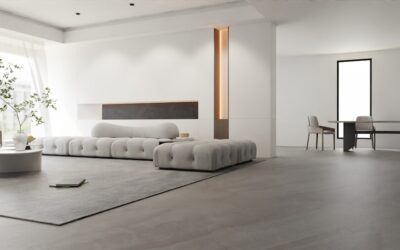
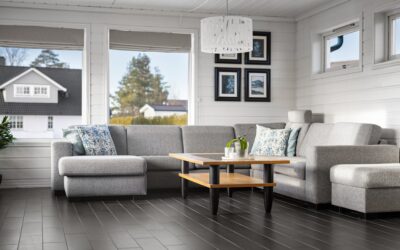
Walk into a well-designed kitchen and you may not realize the floor underfoot is not stone at all. Modern vinyl flooring that looks like ceramic tile has gotten so convincing that homeowners routinely choose it over the real thing, capturing the crisp look of porcelain and ceramic while adding warmth, comfort, and a fraction of the installation hassle. The visuals are the whole point here, so the question is how realistic these floors really are and where they genuinely outperform the tile they imitate.
How Realistic Is It, Really?
The realism comes down to printing technology and surface texture. High-definition photographic layers reproduce the color variation, subtle veining, and edge detail of natural stone and fired ceramic, while embossed-in-register texturing adds physical relief that lines up with the printed image. Run your hand across a quality luxury vinyl tile and you feel the slight dip of a grout line and the faint grain of stone.
Cheaper products repeat the same few patterns every handful of tiles, which the eye eventually catches. Better lines use a dozen or more unique faces so no repetition is obvious. At close range on a premium LVT, most people cannot tell it from real ceramic without touching it, and even then the giveaway is warmth, not appearance.
Groutable Options for Ultimate Realism
For buyers who want the illusion complete, groutable vinyl tile takes it a step further. These tiles install with a small gap between them, which you then fill with real or vinyl-compatible grout, replicating the exact look of a tiled floor down to the recessed joints.
Groutable LVT offers real advantages:
- The grout lines read as authentic because they are actually grouted, not printed.
- You can choose the grout color to match a design scheme.
- The filled joints resist shifting and add rigidity.
The trade-off is a more involved installation and the same grout maintenance you were trying to avoid, though flexible urethane grouts reduce cracking and cleaning demands compared with traditional cement grout.
Warmth and Comfort Versus Real Tile
This is where vinyl decisively wins. Ceramic and porcelain tile are cold and hard, a genuine drawback in bedrooms, kitchens where you stand for hours, and homes in cold climates. Vinyl tile is warmer to the touch and has a slight give that is easier on your feet, back, and knees.
The comfort gap shows up daily:
- Vinyl feels warmer underfoot, especially first thing on a winter morning.
- Its softer surface is more forgiving to stand on during long cooking sessions.
- Dropped glasses and dishes are more likely to survive rather than shatter.
- It muffles footsteps and sound instead of echoing like a hard tile floor.
Tile can be paired with radiant heat to fight the cold, but that adds cost. Vinyl narrows the gap for free.
Where Vinyl Tile Wins Overall
Beyond comfort, vinyl that mimics ceramic beats real tile on several practical fronts, which is why it keeps gaining market share.
- Waterproof performance: quality rigid-core LVT is fully waterproof, ideal for bathrooms, kitchens, and basements.
- Easier installation: click-together floating planks and tiles skip mortar, spacers, and days of curing.
- Lower cost: materials and labor run well below tile, which needs skilled setting and grouting.
- Simpler repair: a damaged plank or tile can be swapped without demolishing a mortar bed.
- DIY friendly: a handy homeowner can install a floating LVT floor in a weekend.
For most rooms, that combination of waterproofing, comfort, and easy installation is compelling.
The Honest Drawbacks
No floor is perfect, and vinyl has limits worth knowing before you buy. It will not fully match the rock-hard permanence and heat resistance of porcelain, and the highest-end natural stone still looks a touch more authentic in raking light. Vinyl can also dent under very heavy point loads, may fade in relentless direct sun without UV protection, and, being a synthetic product, does not carry the same resale cachet as genuine stone tile in a luxury home.
Lower-grade products are the real risk. Thin wear layers scratch and the pattern repeats obviously, so buy quality if you want the illusion to last.
What to Look For When Buying
To get vinyl that convincingly passes for ceramic, focus on the specs that drive realism and longevity:
- Wear layer: 12 mil for light residential use, 20 mil or more for busy households.
- Embossed-in-register texture: ensures the feel matches the printed grout and stone.
- Pattern variety: more unique tile faces means less obvious repetition.
- Rigid core (SPC or WPC): for waterproofing and a solid, tile-like feel underfoot.
- Groutable design: if you want true recessed grout lines.
Best Rooms for Tile-Look Vinyl
Because it marries a tile appearance with vinyl’s practicality, this flooring shines in specific spaces where real tile is either impractical or uncomfortable.
- Bathrooms: waterproof rigid-core LVT gives a spa-like tiled look with warmer, safer footing.
- Kitchens: comfort underfoot during long cooking sessions plus easy cleanup of spills.
- Basements: below-grade moisture tolerance where solid tile would demand a perfect mortar bed.
- Laundry and mudrooms: hard-wearing, waterproof, and forgiving of dropped items.
- Entryways: the durable stone look that greets guests without the cold shock of ceramic.
In each of these rooms, the tile aesthetic is the goal but the hard, cold reality of ceramic is the drawback, which is exactly the gap tile-look vinyl fills.
Installation and Maintenance Basics
Getting the look to last starts with a proper install. Rigid-core click-lock products float over a clean, flat subfloor with a thin underlayment, and a variation of more than about 3/16 inch over 10 feet needs leveling first, or the joints will flex and the illusion of solid tile breaks. Groutable tiles are glued down and then grouted, a slower but more permanent method.
Upkeep is refreshingly simple. Sweep or vacuum regularly, damp-mop with a pH-neutral cleaner, and skip the abrasive scrubs and steam that real tile might tolerate. If you chose a groutable product, the grout still needs occasional cleaning and sealing, though flexible urethane grout resists staining far better than cement grout.
Cost Compared to Real Tile
Budget is often the deciding factor, and tile-look vinyl wins here too. Quality luxury vinyl tile materials run roughly $2 to $5 per square foot, with installation adding a modest amount for a floating floor. Real ceramic or porcelain tile can cost similar money for materials but demands skilled labor, mortar, grout, and days of work, pushing installed prices well above vinyl.
The savings widen when you factor in DIY. Because floating LVT needs no wet materials, a capable homeowner can install it without hiring a tile setter, keeping the whole project affordable while still landing the stone look they wanted.
The Bottom Line
Vinyl flooring that looks like ceramic tile has matured into a genuinely convincing, comfortable, and practical alternative to the real thing. It captures the crisp visual of stone and porcelain while adding warmth, cushioning, waterproofing, and far easier installation, and groutable options close the realism gap almost entirely. Buy a quality rigid-core product with a thick wear layer and varied patterns, and you get the look of a tiled floor with none of the cold, hard, high-cost drawbacks of the original.
Prefer to explore on your own?
See how new flooring looks in your actual room in seconds — free, no signup.
Try the free Floor Studio →