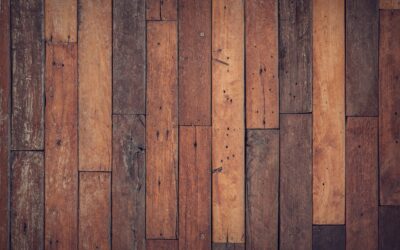
Vinyl flooring that looks like wood has come so far in recent years that many homeowners, guests, and even real estate agents cannot tell it apart from real hardwood at first glance. The combination of high-definition digital printing, embossed-in-register textures, and beveled edges has created a category of flooring that delivers the warmth and character of wood with the waterproof durability and lower cost of vinyl. If you want the look of hardwood without the maintenance, moisture vulnerability, or price tag, wood-look vinyl is one of the smartest flooring choices you can make in 2026.
This guide covers everything you need to know about vinyl flooring that looks like wood, from what makes certain products look more realistic than others to the top brands, pricing, and how it compares to the real thing.
What Makes Wood-Look Vinyl Realistic?
Not all wood-look vinyl is created equal. The difference between a product that looks convincingly like hardwood and one that looks like a printed picture of wood comes down to several key features.
Embossed-in-Register (EIR) Texture
This is the single most important feature for realism. Embossed-in-register, or EIR, means that the texture pressed into the surface of the plank aligns precisely with the printed grain pattern beneath it. When you look at an EIR plank, the raised ridges you see and feel correspond exactly to the knots, grain lines, and character marks in the visual design. Your eyes and fingertips send the same message to your brain: this looks and feels like real wood.
By contrast, cheaper vinyl planks use a generic embossing pattern that repeats regardless of the printed design. The texture does not match the grain, and the mismatch is easy to spot, especially under raking light from windows or floor-level lamps.
High-Definition Printing
Premium wood-look vinyl uses advanced digital printing with high DPI (dots per inch) resolution to create detailed, nuanced grain patterns. The best products use multiple unique print designs per box, sometimes 10 to 20 different planks, to avoid visible pattern repetition when installed across a large room. Budget products may use only 3 to 5 unique prints, which creates a noticeable repeating pattern that breaks the illusion of natural wood.
Beveled Edges and Micro-Bevels
Real hardwood planks have a natural slight separation between boards. Wood-look vinyl replicates this with beveled or micro-beveled edges along the long sides and sometimes the short ends. These bevels create subtle shadow lines between planks that mimic the look of an installed hardwood floor. Planks without bevels look flat and seamless in a way that hardwood floors never do.
Plank Size and Proportions
Wider and longer planks look more like real hardwood. Traditional vinyl planks were often narrow (3 to 4 inches wide) and short (36 inches long), which immediately signaled “vinyl” to anyone familiar with real hardwood. Modern wood-look vinyl planks are commonly 7 to 9 inches wide and 48 to 72 inches long, matching the proportions of premium wide-plank hardwood flooring.
Realistic Color Variation
Natural wood has color variation from board to board. The most realistic vinyl products replicate this with intentional variation in tone, shade, and character across different planks in the same box. Some manufacturers even include occasional planks with simulated mineral streaks, wire-brushed texture, or hand-scraped distressing to enhance the natural appearance.
Types of Wood-Look Vinyl Flooring
Wood-look vinyl comes in several product categories, each with different construction and performance characteristics.
SPC Vinyl Plank (Stone Plastic Composite)
SPC vinyl plank uses a rigid core made from a blend of limestone powder and PVC. It is the densest, most rigid type of vinyl plank, making it highly resistant to denting and temperature changes. SPC is the most popular choice for wood-look vinyl in 2026 because it provides the most stable platform for realistic textures and can be installed over slightly imperfect subfloors without telegraphing irregularities.
WPC Vinyl Plank (Wood Plastic Composite)
WPC uses a foamed core that is slightly softer and thicker than SPC. It provides better comfort underfoot and better sound absorption, making it popular for living areas and bedrooms. WPC is also waterproof but is slightly more susceptible to denting than SPC due to the softer core.
Glue-Down Luxury Vinyl Plank
Glue-down LVP is thinner (2mm to 3mm) and is adhered directly to the subfloor. It produces the lowest profile, most stable installation with no hollow sound. Professional installers often prefer glue-down for commercial spaces and large residential areas. The thinner profile can make EIR textures slightly less pronounced, but premium glue-down products are still very realistic.
Peel-and-Stick Vinyl Plank
Peel-and-stick vinyl planks are the most affordable wood-look vinyl option, but they are also the least realistic. The planks are thin, the textures are typically generic rather than EIR, and the adhesive can fail over time, especially in areas with temperature fluctuations. They work for temporary projects or very tight budgets but are not in the same league as click-lock rigid core products for realism.
Most Realistic Wood-Look Vinyl Brands
These brands consistently produce the most convincing wood-look vinyl flooring available today.
COREtec
COREtec pioneered the WPC vinyl plank category and continues to lead in design realism. Their COREtec Plus Premium and COREtec Pro Plus Enhanced lines feature EIR textures, wide planks (up to 9 inches), and a large number of unique print designs per box. The attached cork underlayment provides warmth and sound dampening. Pricing ranges from $3.50 to $6.50 per square foot.
Mannington Adura
Mannington’s Adura Rigid line is one of the most realistic wood-look vinyl products on the market. Their proprietary Hyperion core and Scratch, Stain, and Wear Resist surface technology deliver both performance and aesthetics. Many Adura Rigid visuals are difficult to distinguish from real hardwood in side-by-side comparisons. Pricing is $4 to $7 per square foot.
Shaw Floorte Pro
Shaw’s Floorte Pro Series 7 line features extra-long planks (up to 72 inches), wide widths (7+ inches), and detailed EIR textures. Shaw is one of the largest flooring manufacturers in the world, giving them access to cutting-edge printing technology. Their products are widely available through retailers and flooring dealers. Pricing is $3 to $6 per square foot.
Mohawk RevWood and SolidTech
Mohawk offers realistic wood-look vinyl through their SolidTech line (vinyl) and RevWood line (technically a waterproof laminate-vinyl hybrid). Both offer excellent realism with EIR textures, wide planks, and unique color palettes. Mohawk products are exclusively sold through authorized retailers. Pricing is $3 to $6 per square foot.
Karndean
Karndean is a British manufacturer that produces some of the most detailed and artistically designed wood-look vinyl planks available. Their Korlok and Van Gogh collections are renowned for design depth, including highly realistic knot details, wire-brushed textures, and subtle color variation. Karndean products are premium-priced at $4 to $8 per square foot but deliver exceptional realism.
Wood-Look Vinyl vs. Real Hardwood
Understanding how vinyl flooring that looks like wood compares to actual hardwood flooring helps you decide which is right for your home.
Appearance
Premium wood-look vinyl with EIR texture is visually convincing at standing height and at a casual glance. Up close, with careful inspection, most people can still tell the difference. Real wood has a depth, warmth, and random variation that even the best vinyl does not perfectly replicate. That said, the gap has narrowed dramatically, and in photos or from across a room, the distinction is minimal.
Durability
Vinyl wins on scratch resistance, water resistance, and stain resistance. Vinyl flooring does not dent as easily as softwood species like pine but can dent under extreme point loads. Real hardwood is susceptible to scratches, dents, water damage, and staining but can be sanded and refinished multiple times over its lifespan, something vinyl cannot do.
Moisture Resistance
This is vinyl’s biggest advantage. Wood-look vinyl plank is 100% waterproof and can go in kitchens, bathrooms, basements, and laundry rooms without concern. Real hardwood can be severely damaged by standing water and is not recommended for wet areas or below-grade installation.
Cost
Wood-look vinyl typically costs $2 to $7 per square foot for material and $4 to $10 installed. Real hardwood ranges from $5 to $15 per square foot for material and $8 to $20 installed. Over the life of the product, hardwood’s ability to be refinished can make it more cost-effective in very long-term scenarios (30+ years), but vinyl’s lower upfront cost is significant for most budgets.
Home Value
Real hardwood still carries more prestige in real estate markets and may contribute slightly more to home resale value. However, the gap is closing as high-quality LVP becomes more mainstream and accepted by buyers. In moisture-prone areas like kitchens and basements, quality LVP may actually be preferred by informed buyers over hardwood.
Choosing the Right Wood Look
The species, color, and character of the wood look you choose affects the overall aesthetic of your space.
Oak Look
Oak is the most popular wood look for vinyl planks, just as it is for real hardwood. It is versatile enough for any room and works in styles from traditional to modern farmhouse. White oak tones are especially popular in 2026, with warm honey, natural, and cerused (limed) finishes leading the trend.
Walnut Look
Walnut-look vinyl provides rich, dark tones with flowing grain patterns. It works well in formal spaces, dining rooms, and bedrooms where a more dramatic floor is desired. Walnut looks tend to show dust and scratches more readily, so consider matte finishes that help mask daily wear.
Hickory and Acacia Look
These species have bold, high-contrast grain patterns that add visual interest and a rustic or organic character. They work well in casual spaces, lake houses, and farmhouse-style interiors. The strong grain patterns also help hide seams between planks and minimize the visibility of dust and light scratches.
Reclaimed and Weathered Looks
Vinyl planks that replicate the look of reclaimed barn wood, weathered driftwood, or distressed antique flooring have surged in popularity. These designs embrace imperfection, with heavy character marks, color variation, and a worn patina. They are forgiving in daily life because the busy visual pattern conceals minor scuffs and scratches.
Installation Considerations
Most wood-look vinyl plank installs as a floating floor using a click-lock system. This is a straightforward DIY project for most homeowners. A few tips specific to achieving the most realistic look:
- Randomize planks from multiple boxes: Open three or four boxes at once and pull planks randomly to avoid installing identical-looking planks next to each other.
- Check the stagger: Maintain a random stagger with at least 8 inches between end joints in adjacent rows. A predictable step pattern looks artificial.
- Run planks lengthwise: In most rooms, running planks parallel to the longest wall or toward the main light source creates the most natural appearance.
- Use matching transitions: Cheap metal transition strips undermine the wood illusion. Most brands offer coordinating color-matched transitions.
Pricing Guide for Wood-Look Vinyl
The cost of vinyl flooring that looks like wood varies significantly based on the product tier.
- Budget ($1 to $2.50/sq ft): Basic click-lock vinyl with standard embossing, limited print variety. Functional but not highly realistic.
- Mid-range ($2.50 to $5/sq ft): Rigid core SPC or WPC with EIR texture, good print variety, attached underlayment. Good realism and solid performance.
- Premium ($5 to $8/sq ft): Top-tier brands with the most realistic EIR textures, widest planks, longest lengths, and best warranties. Nearly indistinguishable from real wood at standing height.
Frequently Asked Questions
Can you tell the difference between wood-look vinyl and real hardwood?
At standing height and from a few feet away, premium wood-look vinyl with EIR texture is very difficult to distinguish from real hardwood. Up close, at floor level, or by touch, the difference is usually detectable. The key giveaway is that vinyl feels slightly cooler and smoother than real wood.
Does wood-look vinyl fade in sunlight?
Some fading is possible with prolonged direct sunlight exposure. Most quality products include UV-resistant wear layers that minimize fading. Using window treatments in sun-drenched rooms helps preserve the color over time.
How long does wood-look vinyl last?
Quality wood-look vinyl plank with a 20-mil or thicker wear layer typically lasts 20 to 30 years in residential use. Premium products with 28-mil wear layers can last even longer. Unlike hardwood, vinyl cannot be refinished, so once the wear layer is worn through, the floor needs to be replaced.
Is wood-look vinyl slippery?
EIR textured vinyl actually provides good traction, comparable to real hardwood. Smooth, glossy vinyl can be slippery when wet. For areas where slip resistance is important, choose products with textured surfaces and a matte or low-gloss finish.
Final Thoughts
Vinyl flooring that looks like wood represents one of the best values in home flooring today. For a fraction of the cost of real hardwood, and with dramatically better moisture resistance, you can achieve a warm, inviting wood-floor aesthetic in every room of your home, including kitchens, bathrooms, and basements where real wood is not practical. Focus your budget on a product with EIR texture, wide planks, and a rigid core from a reputable brand, and the result will look beautiful for decades.
Prefer to explore on your own?
See how new flooring looks in your actual room in seconds — free, no signup.
Try the free Floor Studio →