Vinyl grasscloth wallpaper delivers the warm, woven texture of traditional grasscloth without the fragility that scares many homeowners away from natural fibers. It reproduces the look of hand-laid jute, sisal, or reed using a printed or embossed vinyl surface, giving you organic style in spaces where real grasscloth simply would not survive. If you love that tactile, natural feel but need something practical, this guide covers how it differs from the real thing, what it costs, and how to install and maintain it.
Natural Grasscloth vs. the Vinyl Version
Authentic grasscloth is made from real plant fibers adhered to a paper backing. It is beautiful but unforgiving: it stains easily, shows water marks, fades in sunlight, and cannot be scrubbed. The vinyl alternative captures the same horizontal weave and subtle color variation while adding a protective, wipeable surface. You trade a little of the genuine article’s depth for a wall covering that tolerates kitchens, bathrooms, hallways, and homes with kids and pets. For most families, that trade is well worth making.
Key Benefits
- Washability: A damp cloth removes fingerprints and splatters that would permanently mar natural fiber.
- Moisture resistance: Suitable for powder rooms and other humid areas where real grasscloth fails.
- Color consistency: Printed vinyl avoids the dramatic panel-to-panel shading that natural grasscloth is known for.
- Durability: Resists scuffs and fading better than paper-backed fibers, extending its useful life.
- Easier installation: Many versions are more forgiving than delicate natural goods, and some are paste-the-wall.
Where to Use It
This material shines as a feature wall behind a bed, in a dining room, or framing built-in shelving. Because the vinyl surface handles humidity and cleaning, you can confidently extend it into spaces that natural grasscloth cannot handle, such as entry halls, home offices, and powder rooms. The texture reads as sophisticated and calm, making it a popular choice for creating a layered, designer look without ornate patterns that quickly date a room.
Understanding the Texture and Look
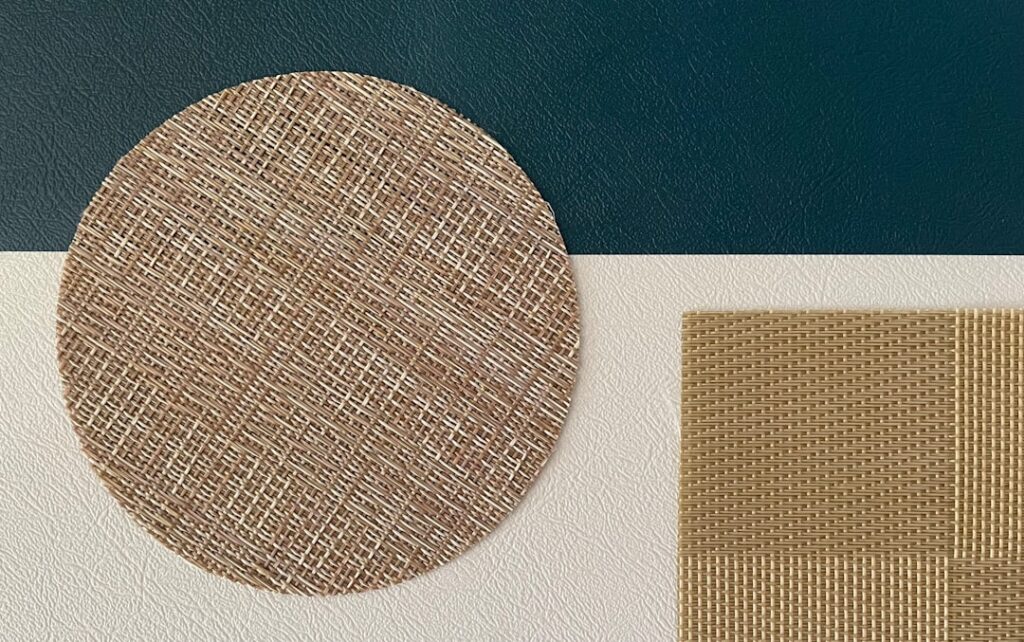
Quality vinyl grasscloth is embossed so the weave has genuine physical relief, not just a flat printed image. Run your hand over a sample and you should feel ridges that mimic woven reed. Color options range from soft neutrals like sand, oatmeal, and gray to deeper greens, blues, and metallic-flecked finishes. Because the look relies on subtle horizontal lines, it pairs well with simple furnishings and lets the texture, rather than a busy pattern, carry the room.
Cost Expectations
Vinyl grasscloth typically costs less than premium natural grasscloth, though pricing depends heavily on brand and quality. As a general estimate, expect roughly $1.50 to $5 per square foot for the material, or about $40 to $150 per standard roll. Professional installation often adds $1 to $4 per square foot. A single accent wall might run between $150 and $500 installed, while wrapping an entire room costs more. Treat these as ballpark figures and confirm current pricing with your local supplier, since wall covering prices vary by line and region.
Installation Basics
Even if you plan to hire a professional, understanding the process helps you prepare. A typical install looks like this:
- Prep the wall so it is clean, smooth, dry, and primed; texture and old adhesive will telegraph through.
- Measure carefully and plan seam placement, since the horizontal weave makes mismatched seams more visible.
- Apply adhesive as directed, paste-the-wall, paste-the-paper, or peel-and-stick depending on the product.
- Hang panels plumb, smoothing from the center outward to push out air bubbles.
- Trim excess at the ceiling and baseboards with a sharp blade and a straightedge.
The biggest difference from ordinary wallpaper is seam discipline. Because the weave is directional, take time to align each panel so the texture flows continuously across the wall. Keep adhesive off the face, and wipe any that strays immediately.
Care and Maintenance
This is where vinyl earns its keep. Routine cleaning is as simple as wiping the surface with a soft, damp cloth and a mild cleaner. Avoid harsh abrasives or stiff brushes that could wear the embossed texture over time. For kitchens and baths, the moisture resistance means you can address splatters before they set. Dust occasionally with a microfiber cloth, since the textured surface can catch fine particles. With basic care, a quality vinyl grasscloth wall covering can look fresh for many years.
Tips Before You Buy
Order a physical sample and tape it to your wall to judge the texture and color in your own lighting; grasscloth tones shift noticeably between daylight and lamplight. Check the roll specifications for repeat and match type so you can estimate quantity accurately, and always order a little extra from the same batch to cover mistakes and future repairs. If your walls are damaged or uneven, budget for prep work, because no wall covering hides a poor surface. Finally, confirm whether the product is fully washable or only spongeable, since cleaning ratings vary by line.
Common Questions Homeowners Ask
One frequent question is whether vinyl grasscloth can go in a full bathroom. The answer depends on ventilation. In a powder room or a well-ventilated bath, the moisture resistance holds up well, but in a small bathroom with a frequently used shower and poor airflow, persistent humidity can challenge any wall covering’s adhesive over time. Run the exhaust fan and you greatly improve the odds of a lasting result.
Another common concern is removability, especially for renters. Traditional pasted vinyl grasscloth requires standard wallpaper removal, soaking and scraping, while peel-and-stick versions come off far more easily and are the better choice if you expect to change it. People also ask whether the seams will be obvious. With careful installation and a quality embossed product, seams are subtle, but they are rarely invisible the way they can be with a solid color, because the woven texture draws the eye. Choosing a pattern with more natural variation actually helps disguise seams. Finally, many wonder about durability with pets; the washable surface handles the occasional brush and splash far better than natural fiber, though no wall covering is fully scratch-proof against determined claws.
For homeowners who want the soulful, woven warmth of grasscloth without babying their walls, the vinyl version is a smart compromise. It brings texture and depth to a space while standing up to real life, and with careful seam work during installation, the result looks every bit as refined as the natural original.
Prefer to explore on your own?
See how new flooring looks in your actual room in seconds — free, no signup.
Try the free Floor Studio →