From the clear sheet under a rolling office chair to the decorative kitchen runner that looks like a printed rug, the humble vinyl mat quietly protects floors all over the house. These flat, wipeable mats shield flooring from scratches, spills, grit, and chair wheels while adding cushion or style where you need it. They have become especially popular as a low-maintenance alternative to fabric rugs, since a quick wipe is all it takes to keep them clean.
What a Vinyl Mat Is
A vinyl mat is a flat floor covering made from polyvinyl chloride, prized for being water-resistant, wipeable, and durable. Unlike a woven rug, vinyl does not absorb spills, trap dust deep in fibers, or fray at the edges. That makes it a practical choice for messy and high-traffic zones. Vinyl mats range from purely functional clear protectors to thick cushioned anti-fatigue mats and printed decorative styles that mimic tile, stone, or vintage rugs.
Common Types and Their Jobs
Vinyl mats come in several distinct forms, each solving a different problem.
- Chair mats: Clear or tinted vinyl sheets that sit under a desk chair to protect hardwood, vinyl, or carpet from caster wear.
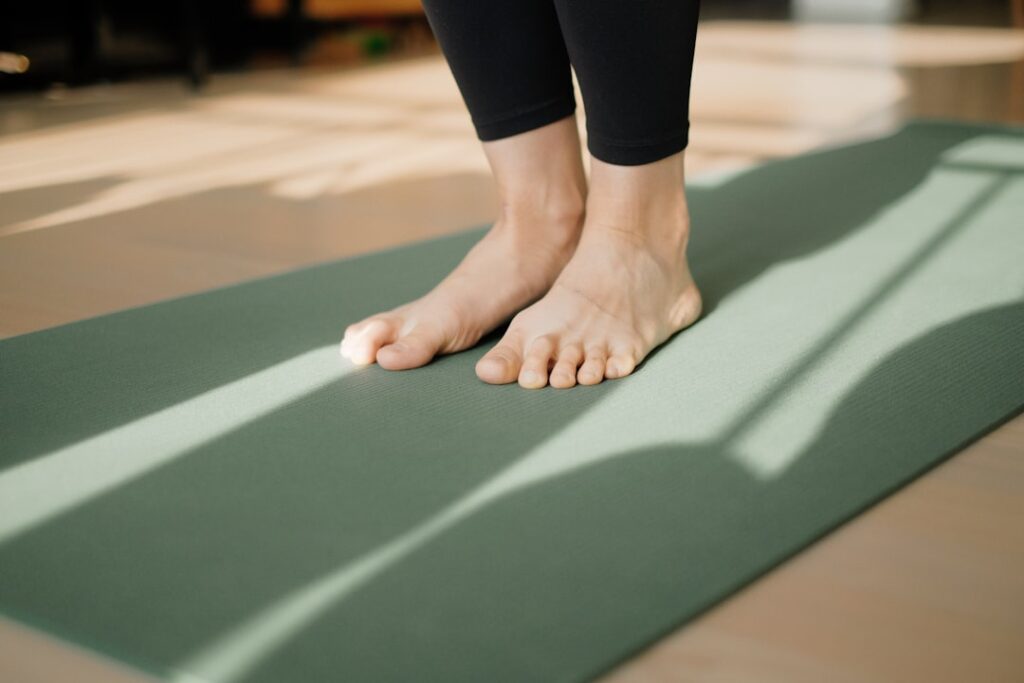
- Anti-fatigue mats: Cushioned vinyl or vinyl-topped mats for kitchens, laundry rooms, and standing workstations that ease strain on the legs and back.
- Decorative printed mats: Thin, flat mats printed with rug, tile, or geometric patterns, popular in kitchens, entryways, and bathrooms for an easy-clean accent.
- Entryway and utility mats: Textured or ribbed vinyl that scrapes dirt off shoes and contains water near doors.
- Runner mats: Long vinyl strips that protect hallways and high-traffic lanes.
Why Choose Vinyl Over Other Materials
Vinyl mats win on practicality. They are waterproof, so spills wipe up instead of soaking in. They are easy to clean, needing only a damp cloth or quick mop rather than laundering. They lie flat, resist mold and mildew, and many feature non-slip backings for safety. For households with kids, pets, or a busy kitchen, that wipe-clean convenience is the main draw, and the printed styles mean you no longer have to choose between easy maintenance and a decorative look.
Thickness and Quality
How a vinyl mat performs depends a lot on its thickness and construction. Thin decorative mats around 1.5 to 3 millimeters lie flat and are easy to store, but offer little cushion. Anti-fatigue mats run much thicker, often half an inch or more, to provide real support for standing. Chair mats need enough rigidity to resist denting and a backing suited to the floor beneath, since carpet chair mats have gripper spikes while hard-floor mats have a smooth or lightly textured underside.
Look for phthalate-free or low-VOC vinyl if indoor air quality is a concern, and confirm the mat is rated for your specific floor type. A heavy, gripper-spiked carpet mat placed on hardwood can scratch it, while a smooth hard-floor mat will not stay put on carpet.
Protecting Your Floor
The whole point of many vinyl mats is floor protection, but a poorly chosen mat can backfire. Some inexpensive vinyl can react with certain floor finishes, leaving a yellow stain or cloudy mark over time, particularly on luxury vinyl plank and some hardwood finishes. To stay safe, choose mats labeled floor-safe or non-staining, lift the mat occasionally to check the floor underneath, and avoid leaving the same mat in one spot under direct sun for years. A breathable, floor-safe backing reduces the risk of trapped moisture and discoloration.
Where to Use Each Type
- Kitchen: An anti-fatigue mat at the sink and a decorative printed mat in front of the range or island.
- Home office: A chair mat sized to your rolling chair’s range of motion.
- Entryway: A textured scraper mat outside and an absorbent or wipeable mat just inside.
- Bathroom and laundry: Waterproof printed mats that handle splashes and wipe dry.
Vinyl Mat Versus Fabric Rug
Many homeowners weigh a printed vinyl mat against a traditional fabric rug for the same spot, and each has clear trade-offs.
- Cleaning: A vinyl mat wipes clean in seconds; a fabric rug needs vacuuming, shaking, or laundering.
- Water: Vinyl is waterproof and ideal for kitchens and baths; fabric absorbs spills and can mildew.
- Comfort: A plush fabric rug feels softer underfoot, though anti-fatigue vinyl mats cushion well for standing.
- Look: Fabric offers more texture and warmth, while printed vinyl now mimics rugs, tile, and stone convincingly.
For wet, messy, and high-traffic zones, vinyl usually wins on practicality. For cozy living and bedroom spaces where comfort leads, a fabric rug still has the edge.
Sizing and Placement
Measure the spot before you buy so the mat fits the task. A chair mat should extend a few inches beyond the chair’s range of motion so the casters never roll off the edge onto the bare floor. A kitchen anti-fatigue mat should cover the area where you stand most, typically in front of the sink or range. Decorative runners should leave a little floor visible on each side rather than spanning wall to wall. A mat that is slightly too small looks like an afterthought, so when in doubt, size up.
Cost and Care
Vinyl mats are budget-friendly. Decorative printed mats commonly run $20 to $60 depending on size, anti-fatigue mats range from $25 to $80, and clear chair mats land around $30 to $90 based on size and thickness. Care could not be simpler: wipe with a damp cloth and mild cleaner, mop heavier soiling, and dry the surface. Avoid harsh solvents and abrasive scrubbers that can scratch or dull the vinyl, and roll, do not fold, any mat you store so it does not crack at the crease.
A vinyl mat is the unsung hero of an easy-care home, protecting floors and cushioning your feet while wiping clean in seconds. Pick the right type for the job, match the backing to your floor, choose a floor-safe non-staining product, and you get durable protection plus a touch of style with almost no upkeep.
Prefer to explore on your own?
See how new flooring looks in your actual room in seconds — free, no signup.
Try the free Floor Studio →