The underside of your roof overhang does more work than most homeowners realize, and when it rots or peels, the whole house looks neglected. Vinyl soffit and fascia have become the go-to upgrade for that roofline because they resist rot, never need painting, and provide the attic ventilation a healthy roof depends on. Replacing tired wood with vinyl is a project that protects your home from moisture, improves attic airflow, and sharpens the exterior all at once. Understanding what each component does, the panel types, and the costs involved helps you plan the job and judge a contractor’s quote.
Soffit vs. Fascia: What’s the Difference?
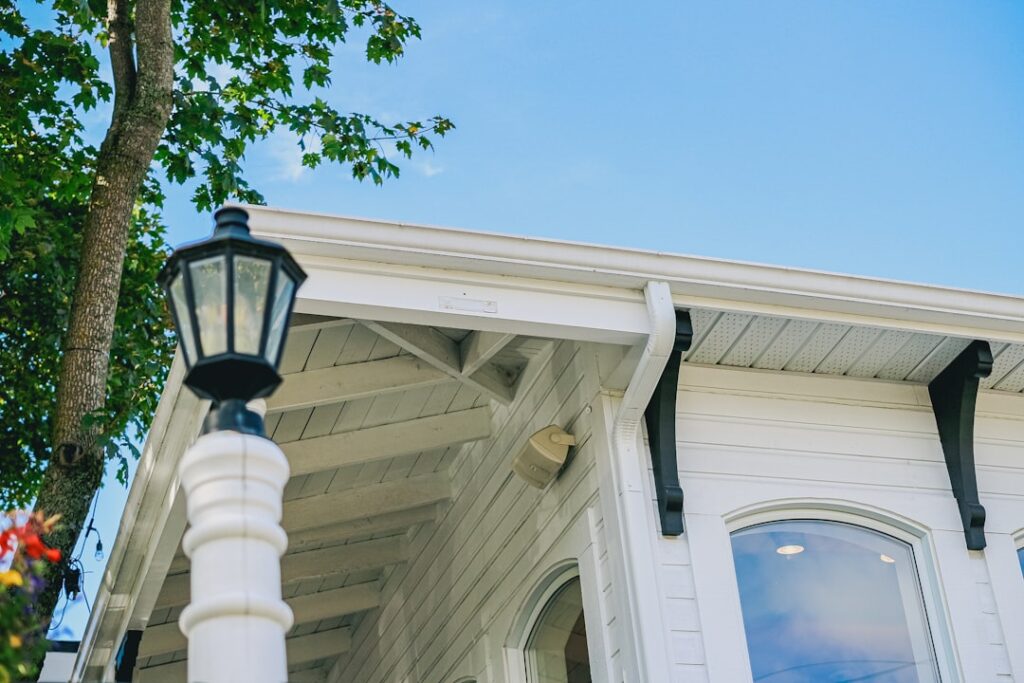
These two parts work together at the eaves but do different things. The soffit is the horizontal underside of the roof overhang, the surface you see when you look up under the edge of the roof. It bridges the gap between the wall and the edge of the roof and, crucially, is where attic intake ventilation happens. The fascia is the vertical band that runs along the edge of the roof, covering the ends of the rafters; it is the board your gutters attach to and the visible trim line of the roofline.
Together they finish and protect the roof edge, keep pests and weather out of the attic, and provide a clean visual border. When you replace one, it usually makes sense to do both at the same time for a uniform look.
Why Choose Vinyl?
Wood soffit and fascia rot, hold paint poorly over time, and demand ongoing maintenance. Vinyl sidesteps most of that. Its advantages include:
- Low maintenance: No painting, no rot, and no insect damage. An occasional rinse keeps it clean.
- Moisture resistance: Vinyl shrugs off rain and humidity that destroy wood over the years.
- Built-in ventilation: Vented soffit panels let attics breathe without separate vents.
- Cost-effective: Generally cheaper than aluminum or wood, both in material and over its lifespan.
The trade-offs: vinyl can crack in extreme cold impact, may fade slightly over many years, and is less rigid than aluminum, so installation quality matters. For most homes, the durability and zero-maintenance payoff outweigh these concerns.
Vented vs. Solid Soffit Panels
The single most important soffit decision is ventilation. Your attic needs intake air at the eaves to pair with exhaust at the ridge, and vented soffit provides it.
- Vented soffit: Panels with perforations or slots that let outside air flow into the attic, preventing moisture buildup, mold, and ice dams. Used along most of the overhang.
- Solid soffit: Unperforated panels used where ventilation is not needed or could draw in unwanted air, such as porch ceilings or certain gable ends.
- Center-vented and fully vented styles: Different perforation patterns balance airflow and appearance.
Proper attic ventilation is not optional; under-ventilated attics trap heat and moisture that shorten roof life and raise cooling bills. A good installer calculates the required vent area and uses enough vented soffit to meet it.
How Vinyl Fascia Works
Vinyl fascia is often a vinyl or aluminum-clad cover installed over the existing or a new fascia board, capping it against the weather. In many installs the fascia gets a wood or composite sub-fascia for structure, with the vinyl or coil-stock fascia wrapping it for a finished, maintenance-free face. Because gutters hang on the fascia, the board behind it must be sound; never cap rotten wood and call it fixed. Replace deteriorated fascia board first, then cover it.
Cost of Vinyl Soffit and Fascia
Pricing varies with home size, roofline complexity, height, and your region, but you can plan with general ranges. Installed vinyl soffit and fascia commonly runs in the neighborhood of $6 to $20 per linear foot depending on materials and labor, with complex multi-story or steep rooflines costing more because of access and scaffolding. A typical single-story home might land in the low thousands; larger or intricate homes run higher.
Factors that move the price include the amount of rotten wood that must be replaced first, the height and accessibility of the eaves, whether you replace gutters at the same time, and labor rates locally. Get itemized quotes that separate material from labor and spell out how much wood repair is included, since hidden rot is the most common cost surprise.
Installation Basics
While handy homeowners tackle small sections, full soffit and fascia work usually involves working at height along the entire roofline, so many people hire it out. The general process runs like this:
- Remove old soffit and fascia and inspect the rafter ends and sub-fascia for rot.
- Replace any damaged wood and ensure the surface is sound and straight.
- Install J-channel or F-channel receivers along the wall and fascia to hold the soffit panels.
- Cut and slide vented soffit panels into the channels, alternating with solid where needed.
- Cap the fascia board with vinyl or coil-stock fascia and reinstall or replace gutters.
Allow for expansion: vinyl moves with temperature, so panels should not be nailed tight. Leave the recommended gap and avoid driving fasteners home, or the panels will buckle in summer heat.
Vinyl vs. Aluminum vs. Wood
Vinyl is the popular default, but it helps to know how it stacks up against the alternatives. Aluminum soffit and fascia is more rigid, will not crack in cold impacts, and holds a painted finish well, but it dents, can corrode in coastal salt air, and usually costs more than vinyl. Wood is the traditional, paintable choice with the best classic look, but it rots, needs repainting every few years, and attracts insects, making it the highest-maintenance option.
For most homeowners, vinyl hits the sweet spot of low cost and zero maintenance, which is why it dominates new construction and re-siding work. Aluminum makes sense where rigidity or a specific painted color matters, and wood suits historic homes where authenticity is the priority. Many homes mix materials, using vinyl soffit with an aluminum or coil-stock fascia wrap for the best of both. Whatever you choose, the ventilation and rot-free performance matter more than the material name.
The Bottom Line
Vinyl soffit and fascia deliver a low-maintenance, rot-proof roofline that ventilates your attic and refreshes the look of the house. The keys to a lasting job are using enough vented soffit to meet your attic’s ventilation needs, replacing any rotten wood before capping, and allowing for vinyl’s expansion. Whether you DIY a section or hire a crew for the full perimeter, it is one of the more durable exterior upgrades you can make.
Prefer to explore on your own?
See how new flooring looks in your actual room in seconds — free, no signup.
Try the free Floor Studio →