Walk through any new subdivision or browse replacement window quotes and you will see the same material again and again: the vinyl window frame has become the default choice for American homes, and for good reason. It costs less than wood or fiberglass, never needs painting, and insulates well enough to cut energy bills. But “vinyl” covers a wide quality range, from flimsy builder-grade frames that warp in the sun to engineered units that last 30 years. Knowing how vinyl compares to the alternatives, and what separates good vinyl from cheap vinyl, helps you spend smart on one of a home’s biggest upgrades.
What a Vinyl Window Frame Is Made Of
Vinyl window frames are made from polyvinyl chloride, or PVC, the same durable plastic family used in pipes and siding. Manufacturers add stabilizers and UV inhibitors so the material resists fading and brittleness from sun exposure. The frame is extruded into hollow chambers, and those internal cavities are key, since they trap air and sometimes hold insulating foam, boosting the frame’s thermal performance.
Because the color runs through the entire material rather than sitting on the surface, a vinyl frame never needs painting and will not peel or chip. That single trait is a big part of why vinyl took over the replacement window market.
The Main Advantages
Vinyl earned its market dominance by doing several things well at a low price point:
- Low maintenance: No painting, staining, or sealing, ever. An occasional wipe-down is all it needs.
- Energy efficiency: The hollow, often foam-filled chambers insulate well, helping reduce heating and cooling costs.
- Moisture resistance: Vinyl does not rot, swell, or corrode, making it ideal for humid and rainy climates.
- Affordability: Typically the least expensive frame material, often 20 to 40 percent cheaper than wood or fiberglass.
- Good lifespan: Quality vinyl frames last 20 to 30 years with minimal care.
The Drawbacks to Weigh
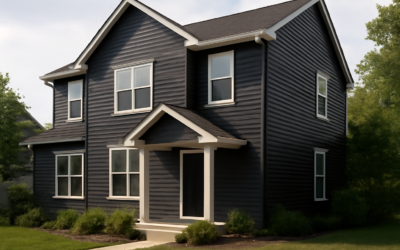
No material is perfect, and vinyl has real limitations worth understanding before you commit. Color choice is the first: vinyl is hardest to get in dark colors, because dark frames absorb heat and can warp, so many manufacturers limit the palette or charge extra for darker shades.
Vinyl also cannot be repainted, so the color you choose is the color you keep. It expands and contracts more than wood or fiberglass with temperature swings, which over many years can stress the seals. And while quality vinyl is sturdy, cheap builder-grade vinyl can warp, sag, or develop failed seals far sooner than a premium unit.
Vinyl vs. Wood vs. Fiberglass vs. Aluminum
Choosing a frame material is a balance of cost, looks, and performance. Here is how vinyl stacks up:
- Vinyl: Lowest cost, low maintenance, good insulation, limited colors, cannot be painted
- Wood: Beautiful and traditional, excellent insulation, but expensive and demands regular painting or sealing to prevent rot
- Fiberglass: Strong, stable, paintable, and long-lasting, but costs more than vinyl
- Aluminum: Durable and slim-profiled, but conducts heat and cold readily, making it the least energy-efficient unless thermally broken
For most homeowners prioritizing budget and low upkeep, vinyl wins. Those wanting authentic wood looks or dark colors lean toward wood or fiberglass, accepting the higher cost.
What Quality Costs
Vinyl window prices vary widely with quality and size. A single standard vinyl replacement window typically runs $300 to $800 installed, with larger or specialty shapes costing more. Builder-grade units sit at the low end, while premium vinyl with better seals, multiple internal chambers, and high-performance glass climbs higher.
The cheapest options are tempting, but a slightly higher investment in a quality frame with welded corners and good weatherstripping pays back in energy savings and a longer service life. Failed seals on a cheap window can fog the glass within a few years, an expensive lesson.
What to Look For When Buying
Not all vinyl is equal, so judge the details. Welded corners, where the frame pieces are fused rather than screwed together, are stronger and seal better than mechanically joined corners. Look for multi-chambered frames and foam-filled options for better insulation.
Check the glass package too, since the frame and glass work together. Double or triple panes with a low-emissivity coating and an inert gas fill between the panes dramatically improve efficiency. The frame’s energy rating, often shown as a U-factor, tells you how well the whole unit insulates, with lower numbers being better.
Installation and Longevity
Even the best vinyl window underperforms if installed poorly. Proper installation means a level, plumb, and square fit with quality flashing and insulation around the frame to stop air and water leaks. A gap left unsealed undermines all the energy efficiency you paid for. For replacement projects, hiring an experienced installer is usually worth it.
Once in, maintenance is minimal. Wipe the frames with mild soap and water, keep the weep holes at the bottom clear so water drains, and lubricate moving parts occasionally. That light care keeps a vinyl frame operating smoothly for its full lifespan.
Is a Vinyl Window Frame Right for You?
For the majority of homeowners, a vinyl window frame delivers the best balance of price, energy efficiency, and freedom from maintenance. It is the practical choice for replacement projects, humid climates, and anyone who does not want to repaint windows every few years. If you crave the warmth of real wood or dark designer colors, look at wood or fiberglass instead. But buy quality vinyl with welded corners and a good glass package, have it installed correctly, and you will enjoy decades of trouble-free, efficient windows.