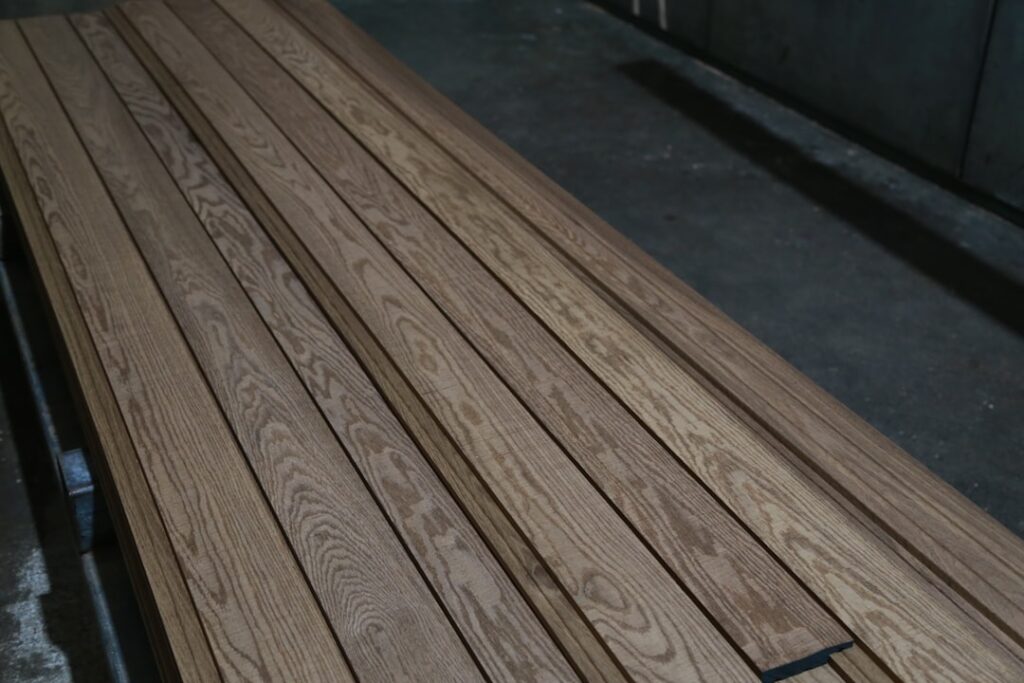
A vinyl wood floor gives you the warm, natural appearance of hardwood at a fraction of the cost. Modern manufacturing technology has made wood-look vinyl so realistic that many people cannot tell the difference from across a room. Embossed textures, high-definition printing, and varied plank designs combine to create a floor that looks like real wood but handles moisture, scratches, and heavy traffic far better.
- What Is a Vinyl Wood Floor?
- How Vinyl Achieves a Realistic Wood Look
- Popular Wood Species Looks
- SPC vs WPC: Which Core Is Better?
- Installation Methods
- Vinyl Wood Floor vs Real Hardwood: Cost Comparison
- Where Vinyl Wood Floors Work Best
- Maintenance Tips for Vinyl Wood Floors
- Choosing the Right Vinyl Wood Floor
- Final Thoughts
This guide covers everything you need to know about vinyl wood flooring, from the technology behind it to choosing the right product for your home.
What Is a Vinyl Wood Floor?
A vinyl wood floor is a multi-layer synthetic flooring product printed and textured to resemble natural hardwood. The category includes luxury vinyl plank (LVP), which is the most popular format, as well as sheet vinyl with wood patterns and vinyl tile designed to mimic wood planks.
Luxury vinyl plank dominates this category because its plank shape, thickness, and click-lock installation closely mirror the experience of installing real hardwood. Individual planks typically measure 6 to 9 inches wide and 36 to 72 inches long, matching common hardwood dimensions.
How Vinyl Achieves a Realistic Wood Look
The realism of modern vinyl wood floors comes from several layers of technology working together.
High-Definition Photographic Layer
The design layer is a high-resolution photograph of real wood, printed onto the vinyl surface. Premium products use multiple unique print patterns, sometimes 20 or more different designs in a single box of planks. This variation prevents the repeating pattern effect that made older vinyl floors look obviously fake.
Embossed in Register (EIR) Texture
EIR technology is what separates good wood-look vinyl from great wood-look vinyl. The texture pressed into the surface of each plank is aligned precisely with the printed wood grain image beneath it. When you run your hand across an EIR plank, you feel the ridges of the grain, the edges of knots, and the subtle imperfections of real wood, and they match exactly what you see.
Budget vinyl products use a generic texture that does not align with the print. The result looks acceptable from a distance but feels wrong underfoot and under close inspection.
Micro-Beveled Edges
Quality vinyl wood planks feature beveled edges that create subtle shadow lines between planks once installed. This mimics the appearance of individual hardwood boards and adds depth to the floor. Some products offer painted bevels that match the plank color, while others use a contrasting tone for a more dramatic plank definition.
Popular Wood Species Looks
Vinyl wood floors are available in virtually every wood species appearance. Here are the most popular options and what makes each distinctive.
Oak
Oak is the most popular wood look in vinyl, just as it is in real hardwood. White oak looks feature cool grey and brown tones with tight, straight grain patterns. Red oak versions show warmer, pinkish undertones with more pronounced grain. Oak-look vinyl works in virtually any design style, from farmhouse to contemporary.
Walnut
Walnut-look vinyl offers rich, dark chocolate brown tones with flowing grain patterns. It creates a luxurious, formal atmosphere and works well in dining rooms, master bedrooms, and home offices. The darker color does show dust and pet hair more easily than lighter options.
Hickory
Hickory-look vinyl features dramatic color variation within each plank, ranging from creamy blonde to deep brown. The grain is bold and rustic, making it ideal for farmhouse, cabin, and transitional interiors. The natural variation in hickory also does an excellent job of hiding scratches and wear.
Maple
Maple-look vinyl has a smooth, fine grain with light, warm tones. It brightens rooms and creates a clean, modern look. Maple is less common than oak in vinyl options but is worth seeking out for contemporary spaces.
Reclaimed and Distressed Wood
Some of the most popular vinyl wood looks replicate reclaimed barn wood, hand-scraped hardwood, or wire-brushed textures. These distressed styles offer character and also hide real-world wear exceptionally well, making them practical choices for high-traffic homes.
SPC vs WPC: Which Core Is Better?
Vinyl wood floors use one of two rigid core technologies. Understanding the difference helps you choose the right product for your space.
SPC (Stone Polymer Composite)
SPC cores are made from limestone powder and PVC, creating a very dense, rigid plank. SPC vinyl is thinner (typically 4 to 6 mm), extremely durable, and highly resistant to denting. It handles temperature fluctuations well and can be installed over radiant heating systems. The trade-off is that SPC feels harder underfoot and transmits more sound.
WPC (Wood Polymer Composite)
WPC cores blend wood flour with PVC, producing a slightly softer, thicker plank (typically 6 to 8 mm). WPC feels warmer and more cushioned underfoot, and it provides better sound absorption. However, it is more susceptible to denting from heavy furniture and is slightly less dimensionally stable in extreme temperatures.
Which Should You Choose?
Choose SPC for kitchens, bathrooms, basements, entryways, and commercial spaces where durability and moisture resistance are priorities. Choose WPC for bedrooms, living rooms, and upper floors where comfort and sound reduction matter more. Both are fully waterproof and suitable for any room in the home.
Installation Methods
Most vinyl wood floors use a click-lock floating installation that does not require glue or nails. The planks snap together at the edges and end joints, creating a tight seam.
Click-Lock Floating
This is the standard installation for rigid core vinyl wood planks. You start along one wall, click planks together row by row, and work across the room. The floor floats over the subfloor, separated by an underlayment pad. Most homeowners with basic tool skills can install click-lock vinyl in a weekend.
Glue-Down
Some vinyl wood products, particularly thinner options, are designed for full-spread adhesive installation. Glue-down vinyl creates a lower profile floor that feels more stable underfoot and produces less hollow sound when walked on. It is more labor-intensive but preferred in large commercial spaces and areas with heavy rolling loads.
Loose Lay
Loose lay vinyl planks have a friction backing that holds them in place without clicks or glue. They are the easiest to install and the easiest to replace if damaged. However, they can shift in rooms with heavy furniture movement or direct sunlight exposure.
Vinyl Wood Floor vs Real Hardwood: Cost Comparison
The cost difference between vinyl wood and real hardwood is substantial, especially when you factor in installation and long-term maintenance.
- Vinyl wood flooring material: $2 to $7 per square foot
- Real hardwood flooring material: $5 to $15 per square foot
- Vinyl installation (DIY possible): $1 to $3 per square foot professional, or free if DIY
- Hardwood installation: $3 to $8 per square foot (professional required for nail-down)
- Vinyl maintenance: Sweep and mop, no refinishing needed
- Hardwood maintenance: Periodic refinishing at $3 to $5 per square foot every 7 to 10 years
For a 500 square foot room, a mid-range vinyl wood floor runs approximately $2,000 to $3,500 installed, while real hardwood costs $5,000 to $10,000 or more. Over a 20-year period, the hardwood will also require at least one refinishing, adding another $1,500 to $2,500.
Where Vinyl Wood Floors Work Best
Vinyl wood flooring performs well in every room, but it truly excels in spaces where real hardwood struggles.
- Kitchens: Waterproof and resistant to dropped items and food spills
- Bathrooms: Handles humidity and standing water that would damage hardwood
- Basements: Unaffected by moisture from concrete subfloors
- Laundry rooms: Waterproof protection against washing machine leaks
- Entryways and mudrooms: Handles tracked-in water, mud, and salt
- Rental properties: Durable, affordable, and easy to replace
- Pet-friendly homes: Scratch-resistant surface withstands claws
Maintenance Tips for Vinyl Wood Floors
One of the biggest advantages of vinyl wood over real hardwood is maintenance simplicity.
- Sweep or vacuum regularly with a soft brush attachment
- Damp mop with a pH-neutral vinyl floor cleaner
- Wipe spills promptly, even though the floor is waterproof
- Use felt pads under furniture legs to prevent indentation
- Avoid rubber-backed mats, which can discolor vinyl over time
- Keep direct sunlight exposure managed with blinds or UV window film
- Never use wax, polish, or steam mops on vinyl
Choosing the Right Vinyl Wood Floor
When shopping, focus on these specifications to ensure you get a quality product:
- Wear layer thickness: 12 mil minimum for residential, 20 mil for high traffic areas
- Total plank thickness: 5 mm or greater for rigid core products
- EIR texture: Look for embossed in register for the most realistic wood look
- Number of unique prints: More variation means fewer visible repeats
- Attached underlayment: Saves installation time and provides cushion
- Warranty: Reputable brands offer 15 to lifetime residential warranties
Final Thoughts
A vinyl wood floor delivers the beauty of hardwood with practical advantages that real wood simply cannot match. It is waterproof, scratch-resistant, affordable, and easy to install yourself. With EIR texture technology and high-definition printing, today’s best vinyl wood planks are virtually indistinguishable from the real thing at normal viewing distances.
Whether you are renovating your entire home or updating a single room, vinyl wood flooring offers an excellent combination of style, durability, and value that is hard to beat.
Prefer to explore on your own?
See how new flooring looks in your actual room in seconds — free, no signup.
Try the free Floor Studio →