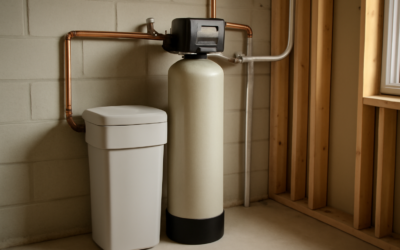
When a water softener stops softening, most homeowners assume the whole unit is shot and start pricing $2,000 replacements. In reality, a softener is a collection of serviceable parts, and the failure is almost always one inexpensive component — not the system. Knowing the key water softener parts and what each one does turns a mysterious breakdown into a diagnosable, often DIY-friendly repair. Here is a plain-English tour of every major component, what goes wrong, and what replacements cost.
- How a Softener Works at a Glance
- The Control Valve and Its Internals
- The Resin Bed and Resin Tank
- Brine Tank Components
- Seals, O-Rings, and Small Wear Parts
- The Bypass Valve and Fittings
- Diagnosing Common Problems by Part
- When to Repair Versus Replace
- Keeping Parts Working Longer
- Frequently Asked Questions
How a Softener Works at a Glance
A conventional ion-exchange softener has two tanks. The tall resin tank holds thousands of tiny resin beads that grab the calcium and magnesium (the hardness minerals) out of your water as it passes through. The shorter brine tank holds salt and water to periodically clean, or regenerate, those beads. A control valve on top orchestrates the whole cycle. Almost every repair traces back to one of these three areas, so understanding them makes troubleshooting straightforward.
The Control Valve and Its Internals
The control valve is the brain of the system, directing water through service and regeneration cycles on a timer or meter. It contains several parts that commonly fail:
- Piston and seals/spacers: These direct water flow inside the valve. Worn seals cause leaks and cycling problems — a rebuild kit runs $20 to $60.
- Timer or control board: The electronic or mechanical mechanism that schedules regeneration. Replacement runs $50 to $200.
- Injector and screen: Draws brine into the resin tank during regeneration; clogs with sediment and is a cheap, common fix at $10 to $30.
A softener that runs constantly, never regenerates, or leaks around the valve usually needs one of these parts, not a new machine.
The Resin Bed and Resin Tank
The resin beads do the actual softening, and they last a long time — typically 10 to 15 years — but they do wear out or get fouled by iron and chlorine. Signs of failing resin include water that stays hard even after regeneration and beads showing up in your faucets. A bag of replacement resin costs $50 to $150 and can be reloaded into the existing tank, saving the price of a whole new unit. Adding a sediment prefilter and, where chlorine is high, a carbon filter extends resin life considerably.
Brine Tank Components
The brine tank looks simple but contains several failure-prone parts:
- Brine valve and float assembly: Controls how much water enters the tank and prevents overfilling. A stuck float causes overflows or a tank full of water — replacement is $15 to $40.
- Safety float: A backup that shuts off water if the main float fails.
- Brine well and grid plate: House the float and keep salt off the tank bottom.
- Brine line and fittings: The tubing connecting the brine tank to the control valve; cracks here cause weak regeneration.
A brine tank that stays full of water or never draws down is usually a float or brine-valve problem, both cheap and easy to swap.
Seals, O-Rings, and Small Wear Parts
Rubber parts are the unsung heroes and the most frequent leak sources. O-rings and seals throughout the valve and connections dry out and crack over years of use. A comprehensive seal-and-O-ring kit is inexpensive — often $15 to $40 — and replacing these during any valve service prevents repeat leaks. If your softener has developed a slow drip, start with the seals before assuming a major part failed.
The Bypass Valve and Fittings
The bypass valve lets you route water around the softener for maintenance without shutting off your whole house. It is worth knowing where yours is, because you will use it during any repair. Bypass valves and their connectors can crack or leak over time and are straightforward to replace. Keeping this part in good shape means you can service the rest of the system without an emergency.
Diagnosing Common Problems by Part
Match the symptom to the likely part before you buy anything:
- Water still hard: Resin exhausted or fouled, or injector clogged.
- Salt not being used: Brine draw failure — injector, brine valve, or brine line.
- Tank overflowing with water: Stuck float or failed brine valve.
- Constant running or cycling: Control valve piston, seals, or timer.
- Leaking around the head: Worn valve seals and O-rings.
Most of these fixes cost under $60 in parts, versus $1,500 to $3,000 for a new softener installed.
When to Repair Versus Replace
Repair makes sense when a single part has failed and the unit is under about 10 years old — replacing a valve seal kit or brine float on a decade-old softener is money well spent. Consider replacement when the control valve body itself cracks, the resin tank leaks, or multiple systems are failing at once on a unit past 15 years. Even then, pricing the individual parts first often reveals that a $40 repair buys several more years. Understanding your water softener parts is the difference between a quick, cheap fix and an unnecessary four-figure replacement.
Keeping Parts Working Longer
A little preventive care extends the life of every component. Use clean, high-quality salt — evaporated pellets leave far less residue than cheaper rock salt, which reduces the mushy buildup (called a salt bridge) that jams the brine tank and clogs the injector. Break up and clean out any salt bridge you find, and clean the brine tank fully once a year to clear sediment that shortens the life of the float and valve.
Adding a sediment prefilter ahead of the softener protects the resin bed and injector from grit, and a carbon filter reduces chlorine that would otherwise degrade the resin over time. Every few years, run a resin-bed cleaner made for softeners to flush out iron and hardness that ordinary regeneration leaves behind. These small habits keep the cheap parts from failing early and push the whole unit’s life toward the 15-year mark.
Frequently Asked Questions
What part of a water softener usually fails first?
The control valve internals — seals, the piston, and the injector — and the brine tank float are the most common failure points. All are inexpensive, usually under $60, and most are DIY-replaceable, so a single failed part rarely justifies a whole new softener.
How do I know if my water softener resin is bad?
If the water stays hard even right after a regeneration cycle, or you find resin beads in your faucets and fixtures, the resin bed is likely exhausted or fouled. A bag of replacement resin costs $50 to $150 and reloads into the existing tank.
Is it worth repairing an old water softener?
Usually, if the unit is under about 10 years old and only one part has failed. Repairs typically cost under $60 in parts versus $1,500 to $3,000 for a new installed system. Replacement makes more sense when the valve body or resin tank cracks, or multiple systems fail on a unit past 15 years.