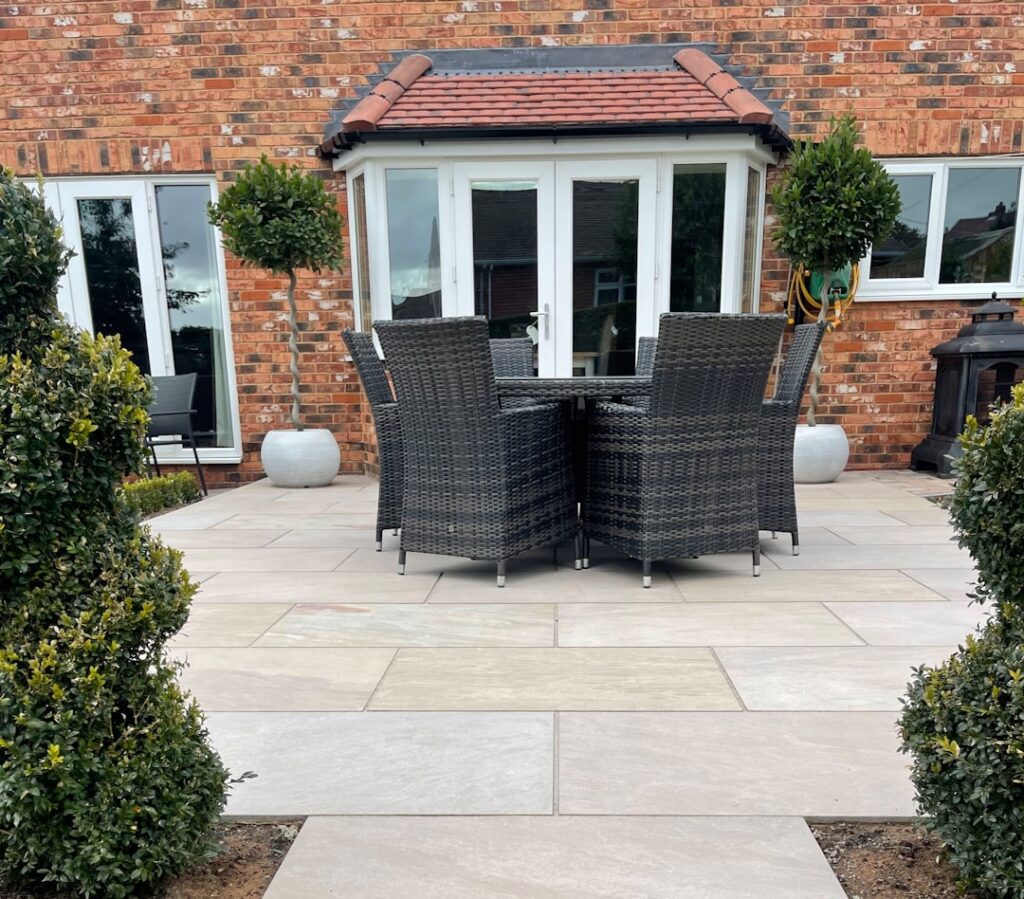
A balcony surface can swing from a sun-baked 140 degrees Fahrenheit in summer to freezing rain in winter, all while sitting over living space that absolutely cannot leak. That is why choosing genuinely waterproof outdoor balcony flooring is different from picking a patio surface on grade: a failure here means water in the ceiling below, not just a puddle. This guide walks through the materials that survive weather and foot traffic, how drainage and the waterproof membrane underneath actually work, and what each option costs so you can protect both your space and the rooms beneath it.
- Waterproof Surface Versus Waterproof System
- The Main Balcony Flooring Options
- Outdoor Porcelain Pavers
- Liquid-Applied Waterproof Coatings
- Composite Decking and Deck Tiles
- Pedestal Paver Systems
- Drainage and Slope: The Details That Prevent Leaks
- Pros and Cons at a Glance
- Maintenance for a Long Life
- How to Choose
Waterproof Surface Versus Waterproof System
The single biggest misconception is that a “waterproof” floor product makes a balcony waterproof. It does not. On an elevated balcony, the real waterproofing is a membrane or coating bonded to the structural deck and sloped to drains or a drip edge. The flooring you see and walk on is either part of that system, like a liquid-applied coating, or a wearing surface that sits above it, like tiles on pedestals or interlocking deck tiles. Always think in terms of the whole assembly, including slope, flashing, and drainage, not just the top layer.
Once your patio flooring is in place, think about how you’ll use the space. A gazebo adds shade and structure, while a good outdoor furniture set turns it into a spot you’ll actually want to hang out in. A deck box is also worth considering if you need somewhere to stash cushions and outdoor gear.
We may earn a commission when you purchase through our links.
The Main Balcony Flooring Options
Each material handles water, sun, and traffic differently. Here are the surfaces that perform well outdoors.
- Outdoor porcelain pavers: Dense 20mm tiles that resist water, frost, and fading.
- Liquid-applied waterproof coatings: Seamless polyurethane or polyurea systems that are the floor and the waterproofing.
- Composite (WPC) decking and deck tiles: Wood-look boards or snap-together tiles over the membrane.
- Pedestal paver systems: Tiles raised on adjustable supports with a drainage gap underneath.
- Outdoor-rated rubber tiles: Soft, grippy surfacing common on family balconies.
Outdoor Porcelain Pavers
Thick 20mm porcelain pavers have become a favorite for balconies because the material itself is essentially impervious, with water absorption under 0.5 percent. It will not rot, fade, or fade under UV, and textured finishes provide good wet traction. Laid on a pedestal system, porcelain creates a flat, drainable surface that hides the slope of the deck and lets you lift a tile to inspect the membrane. The downside is weight and cost, plus the need for a properly waterproofed deck beneath. Installed pricing typically runs $12 to $25 per square foot including the support system.
Liquid-Applied Waterproof Coatings
For balconies where the finished surface itself must be the waterproofing, liquid-applied membranes are the answer. A polyurethane or polyurea system is rolled or sprayed over a prepared deck, cures into a seamless rubbery skin, and is often broadcast with quartz or flakes for traction and looks. Because there are no seams or joints, there is nothing for water to penetrate, which makes these systems popular over occupied space. They do require meticulous surface prep, dry conditions during application, and periodic recoating every 7 to 15 years. Expect $8 to $18 per square foot installed for a quality system.
Composite Decking and Deck Tiles
Composite (wood-plastic composite) boards and interlocking deck tiles give the warm look of wood without rot or splinters. They do not absorb water, resist insects, and snap together over an existing waterproofed deck, making deck tiles a popular renter-friendly upgrade. Remember that the boards themselves shed water but do not waterproof anything, so the membrane below still does the real work. Quality composite runs $9 to $20 per square foot installed, while DIY interlocking tiles can be as low as $5 to $12.
Pedestal Paver Systems
Pedestal systems deserve a closer look because they solve several balcony problems at once. Adjustable supports raise porcelain or concrete pavers off the deck, creating an air gap that lets water drain freely to the membrane below and evaporate. The walking surface stays perfectly level even when the structural slab is sloped for drainage, and any paver can be lifted in seconds to clean debris or inspect the waterproofing. The trade-offs are added height, which can affect door thresholds and railing code clearances, and a higher upfront cost. For many flat-roof and concrete balconies, the inspectability alone justifies the price.
Drainage and Slope: The Details That Prevent Leaks
No surface stays waterproof if water cannot leave. A balcony should slope roughly a quarter inch per foot toward a drain or open edge, and that slope must be built into the structure or the membrane, not just the finish floor. Keep weep holes and scuppers clear, make sure flashing tucks behind the wall cladding and over the membrane, and never let the finished floor sit higher than the door threshold without a proper drainage channel. Most balcony leaks trace back to clogged drains, failed sealant at penetrations, or a finish floor that traps water rather than shedding it.
Pros and Cons at a Glance
Porcelain pavers win on durability and looks but are heavy and pricier. Liquid coatings win on seamless waterproofing over living space but need professional prep and recoating. Composite wins on warmth and easy installation but relies entirely on the membrane below. Pedestal systems win on drainage and inspectability but raise the floor height. Rubber tiles win on safety and comfort for kids but look casual and can hold moisture if not lifted occasionally. Match the choice to whether there is living space below, how much you can spend, and how the balcony already drains.
Maintenance for a Long Life
Sweep debris before it clogs drains, rinse the surface a few times a year, and inspect sealant and flashing each spring and fall. Lift a few pavers or deck tiles annually to check the membrane for ponding or cracks. Recoat liquid systems on schedule rather than waiting for a leak. Catching a small membrane problem early costs a fraction of repairing a water-damaged ceiling.
How to Choose
If there is occupied space below, prioritize a proven membrane, either a liquid-applied system or a tested sheet membrane under pedestal pavers, and treat the finish floor as secondary. If the balcony sits over an unconditioned area, you have more freedom to pick on looks and budget. Verify your railing height and door threshold clearances before adding any raised system, and confirm the deck can carry the weight of porcelain or concrete. D and G Flooring recommends getting an installer to assess the existing waterproofing and slope before you buy any finish material, and asking for the membrane warranty in writing, because on a balcony the part you cannot see is the part that keeps your home dry.
Prefer to explore on your own?
See how new flooring looks in your actual room in seconds — free, no signup.
Try the free Floor Studio →