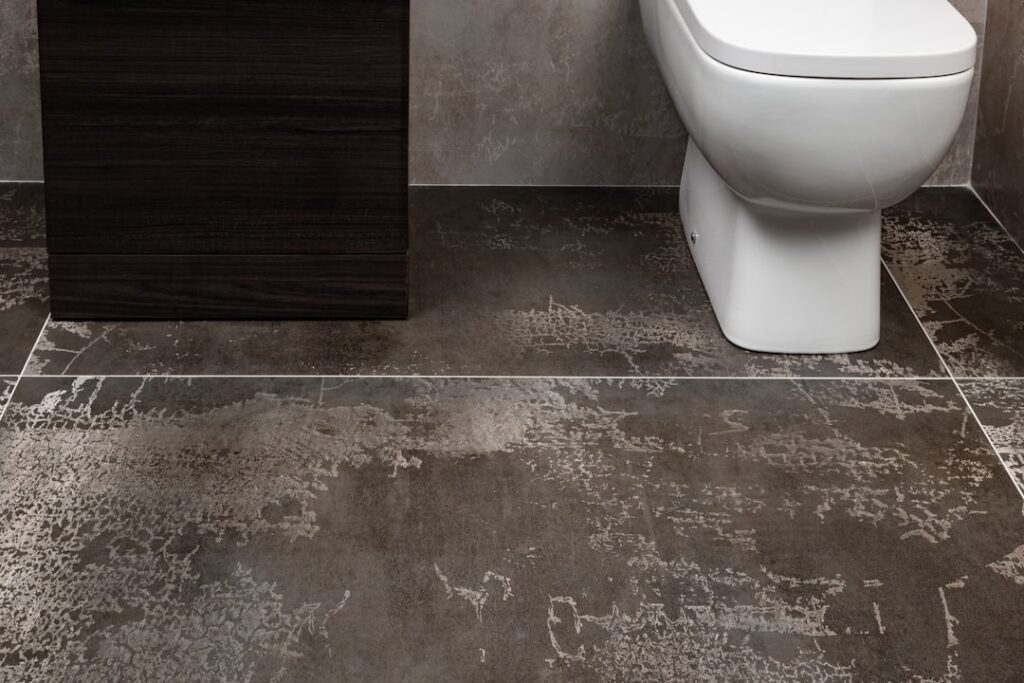
The area around a toilet is one of the most punishing spots in any home, exposed to humidity, splashes, condensation, and the occasional overflow. A truly waterproof toilet floor isn’t a luxury here, it’s a necessity that protects your subfloor, prevents mold, and saves you from costly water damage down the line. Choosing the right material and installing it correctly makes the difference between a bathroom floor that lasts decades and one that warps, stains, or rots within a few years. This guide breaks down the best waterproof options, their pros and cons, and the installation details that keep water where it belongs.
- Why Waterproofing Around the Toilet Matters
- Porcelain and Ceramic Tile
- Luxury Vinyl and SPC
- Sheet Vinyl
- What to Avoid Around a Toilet
- Installation Details That Make It Waterproof
- Maintenance for a Lasting Waterproof Floor
- Comparing the Main Options
- Signs of Water Damage to Watch For
- Choosing the Right Floor
Why Waterproofing Around the Toilet Matters
The toilet zone faces moisture from several directions: humidity from showers, condensation that drips off the tank in summer, everyday splashing, and the rare but serious risk of an overflow or wax-ring leak. Water that seeps through a non-waterproof floor reaches the subfloor, where it can cause rot, mold, and a soft, spongy floor that eventually fails.
A waterproof floor, properly installed with sealed seams and edges, blocks that water at the surface. It’s the single best defense against the slow, hidden damage that plagues so many older bathrooms.
Porcelain and Ceramic Tile
Tile is the classic, gold-standard choice for bathroom floors, and for good reason. Glazed porcelain absorbs almost no water and stands up to decades of moisture, traffic, and cleaning.
- Pros: extremely durable, fully waterproof when grout is sealed, heat-tolerant, pairs with radiant floor heat, and offers endless style options.
- Cons: hard and cold underfoot, grout lines need periodic sealing, and professional installation is labor-intensive.
- Cost: $2 to $15 per square foot for tile, plus $7 to $15 for installation.
The one vulnerability with tile is the grout, which is porous. Sealing it on installation and resealing every year or two keeps water from sneaking through the joints.
Luxury Vinyl and SPC
Rigid-core luxury vinyl plank, especially SPC (stone plastic composite), has become a favorite for bathroom floors. The core is fully waterproof, it’s warmer and softer underfoot than tile, and many lines install as an easy click-lock floating floor.
- Pros: waterproof, comfortable, DIY-friendly, scratch-resistant, and budget-conscious.
- Cons: seams need careful handling around the toilet, and cheaper lines can look less premium.
- Cost: $2 to $7 per square foot, plus $2 to $5 for installation.
In a small bathroom, gluing down the perimeter or using a sealant at edges and around the toilet flange adds extra protection against water reaching the subfloor.
Sheet Vinyl
Sheet vinyl remains one of the most genuinely waterproof bathroom floors because it comes in large, nearly seamless sheets. Fewer seams mean fewer paths for water to escape, making it a smart, affordable choice for a small bathroom.
- Pros: very affordable, seamless, soft and quiet underfoot, easy to clean.
- Cons: can look less upscale, vulnerable to tears and gouges, and harder to repair than tile or plank.
- Cost: $1 to $4 per square foot.
What to Avoid Around a Toilet
Some popular floors simply don’t belong near a toilet. Solid hardwood and standard laminate are poor choices because they absorb water and swell, even if the surface looks sealed. Carpet is a hygiene and moisture nightmare in a bathroom. If you love the look of wood, choose wood-look porcelain tile or wood-look SPC instead, both of which deliver the appearance without the water vulnerability.
Installation Details That Make It Waterproof
The material is only half the equation. Proper installation seals the system:
- Seal the subfloor and use the right underlayment for tile, ideally a waterproof membrane like an uncoupling or sheet membrane in wet areas.
- Set the toilet on a fresh wax ring or rubber seal so the flange connection doesn’t leak underneath the floor.
- Caulk around the toilet base with a quality silicone to keep splashes from running under the fixture, while leaving a small gap at the back so any hidden leak becomes visible.
- Seal grout lines on tile and reseal periodically.
- Treat all seams and edges on vinyl and plank floors, especially around the flange.
Maintenance for a Lasting Waterproof Floor
Once installed, a waterproof toilet floor is low-maintenance. Wipe up splashes promptly, clean with a pH-neutral cleaner and a barely damp mop, and avoid harsh abrasives. Reseal tile grout on schedule, recaulk the toilet base if the silicone cracks or discolors, and check around the base periodically for any sign of a hidden leak, like discoloration or a soft spot.
Comparing the Main Options
With several solid choices, it helps to see them side by side based on what matters most for a toilet area:
- Most durable and timeless: Porcelain tile. It lasts decades, handles heat, and looks high-end, but it’s hard, cold, and pricier to install.
- Most comfortable and DIY-friendly: Rigid-core SPC. Warm and quiet underfoot, easy to install, and fully waterproof, though seams need care near the flange.
- Most budget-friendly and seamless: Sheet vinyl. Affordable and nearly seamless for small baths, though it looks less upscale and is harder to repair.
For a small powder room, sheet vinyl or SPC keeps costs down. For a primary bathroom you want to last decades, porcelain tile is hard to beat. Many homeowners split the difference with wood-look porcelain plank, getting tile’s durability with the warmth of a wood look.
Signs of Water Damage to Watch For
Even with a waterproof floor, stay alert to signs that water may be reaching the subfloor through a hidden leak or failed seal. Catching problems early saves thousands in repairs:
- A soft, spongy, or springy feel underfoot near the toilet, which signals subfloor rot.
- Discoloration, staining, or warping at the floor around the base.
- A persistent musty smell, a classic sign of hidden moisture and mold.
- The toilet rocking or feeling loose, which can indicate a damaged flange or rotted subfloor beneath.
If you notice any of these, address the source quickly. A small leak left alone can rot the subfloor and even reach the framing below, turning a simple seal repair into a major renovation.
Choosing the Right Floor
For most bathrooms, porcelain tile and rigid-core SPC are the two strongest choices for a waterproof toilet floor, with sheet vinyl a smart budget pick for small spaces. Match the material to your budget and comfort preferences, then focus just as much attention on the installation details, sealed seams, a fresh wax ring, and proper caulking. Get both right and your bathroom floor will shrug off years of moisture without a hint of damage underneath.
Prefer to explore on your own?
See how new flooring looks in your actual room in seconds — free, no signup.
Try the free Floor Studio →