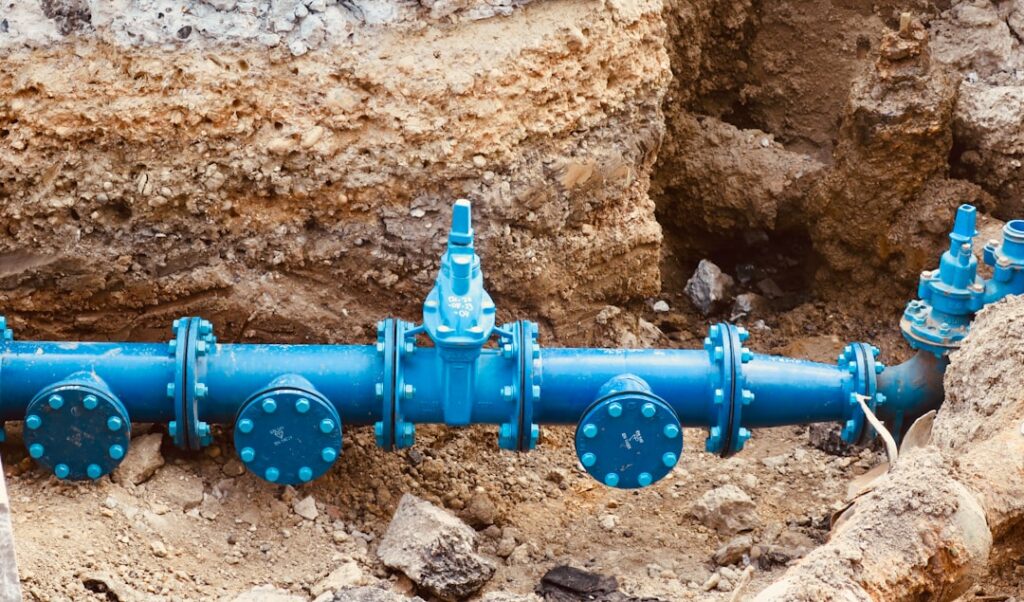
If you have ever stood in a plumbing aisle or watched a repair, you may have wondered exactly what are water pipes made of and why there are so many different kinds. The answer depends on the era your home was built, the part of the system, and whether the pipe carries supply water or waste. Knowing your pipe materials helps you understand maintenance, spot potential health concerns like legacy lead, and make smart decisions during a repair or remodel. Here is a clear rundown of the materials you will encounter.
- Copper: The Longtime Standard
- PEX: The Modern Favorite
- PVC and CPVC: Rigid Plastics
- Galvanized Steel: A Legacy Material
- Cast Iron: Old Drain Lines
- The Lead Concern
- Quick Material Comparison
- Knowing Your Pipes Pays Off
- How to Identify the Pipes in Your Home
- Matching Material to the Job
- When to Consider Replacing Your Pipes
Copper: The Longtime Standard
Copper has been the gold standard for residential water supply lines for generations. It is durable, handles hot and cold water, resists bacteria, and can last 50 years or more. Copper pipes are joined by soldering, which requires skill, and the material cost rises and falls with copper prices.
The main drawbacks are cost and the labor involved in installation. In areas with acidic or very soft water, copper can slowly corrode over decades, but for most homes it remains a reliable, proven choice.
PEX: The Modern Favorite
Cross-linked polyethylene, known as PEX, has become the dominant choice for new plumbing and repipes. This flexible plastic tubing snakes through walls with fewer fittings, installs quickly, and tolerates freezing better than rigid pipe because it can expand slightly. It comes color-coded red for hot and blue for cold, which keeps installations organized.
PEX is affordable and reliable for supply lines, though it should not be used outdoors in direct sunlight, since UV exposure degrades it. It connects with crimp, clamp, or push-fit fittings rather than soldering, making it more DIY-friendly than copper, though whole-house work is still best left to a professional.
PVC and CPVC: Rigid Plastics
Two related plastics show up in different roles:
- PVC (polyvinyl chloride): White rigid pipe used mainly for drain, waste, and vent lines and for cold water in some applications. It is inexpensive and corrosion-proof but not rated for hot water.
- CPVC (chlorinated PVC): A heat-tolerant version, usually cream-colored, rated for both hot and cold supply water. It is common in some regions as an affordable alternative to copper.
Both join with solvent cement, which chemically welds the joints. PVC is the workhorse of household drainage, while CPVC handles pressurized hot and cold supply where it is approved.
Galvanized Steel: A Legacy Material
Homes built before the mid-twentieth century often used galvanized steel supply pipes, coated with zinc to resist rust. Over decades, however, the interior corrodes and mineral deposits build up, restricting flow and discoloring water. If you have galvanized pipes and notice low pressure or rusty water, replacement with copper or PEX is usually the long-term fix.
Cast Iron: Old Drain Lines
Cast iron was widely used for drain, waste, and vent stacks in older homes because it is strong and quiet, muffling the sound of draining water. It can last many decades but eventually rusts and cracks. Modern drainage typically uses PVC or ABS plastic, which is lighter and easier to install, though some homeowners value cast iron’s sound-dampening qualities.
The Lead Concern
Lead pipes and lead solder were used in some older plumbing and service lines before the health risks were widely recognized and regulated. Lead can leach into drinking water and is a serious health hazard, especially for children and pregnant women. This is the one material you should not ignore.
If your home predates the phase-out of lead in plumbing, take action: contact your local water utility, which can often identify your service line material, and consider having your water tested by a certified lab. Use a filter certified for lead reduction as an interim measure, run cold water before drinking after pipes have sat idle, and consult a licensed plumber about replacing any lead lines. Never use hot tap water for drinking, cooking, or making formula.
Quick Material Comparison
Here is how the supply-line materials stack up at a glance:
- Copper: Durable and proven, higher cost, long lifespan.
- PEX: Flexible, affordable, freeze-tolerant, the modern default for supply.
- CPVC: Inexpensive rigid pipe rated for hot and cold where approved.
- Galvanized steel: Legacy material prone to corrosion; replace when failing.
- Lead: A legacy health hazard that should be identified and replaced.
Knowing Your Pipes Pays Off
Identifying what your water pipes are made of helps you anticipate maintenance, budget for upgrades, and protect your family’s health. Copper and PEX dominate modern supply lines, PVC handles drainage, and older materials like galvanized steel and especially lead deserve attention. When you are unsure about a material, planning a repipe, or concerned about water safety, consult a licensed plumber and your local water utility. They can confirm exactly what is in your walls and recommend the right path forward for your home.
How to Identify the Pipes in Your Home
You can often tell a lot just by looking at exposed pipes in a basement, crawl space, or under sinks. Copper has a distinctive reddish-brown to dull bronze color and is rigid. PEX is flexible plastic tubing, usually red, blue, or white. PVC is rigid white plastic, while CPVC is typically cream or tan. Galvanized steel is gray, threaded at the joints, and attracts a magnet.
Lead pipes are dull gray, soft enough to scratch with a key, and will not hold a magnet. If you find a pipe that looks like it might be lead, do not rely on guesswork; have it confirmed by a professional and contact your water utility about the service line material.
Matching Material to the Job
Different parts of your plumbing call for different materials. Pressurized hot and cold supply lines use copper, PEX, or CPVC, all rated to handle pressure and, where applicable, heat. Drain, waste, and vent lines that rely on gravity use PVC, ABS, or older cast iron. Outdoor and buried lines need materials rated for those conditions, such as certain PVC, HDPE, or copper.
Using the wrong material in the wrong place, such as standard PVC for hot supply water, violates code and invites failure. A licensed plumber selects materials approved for each application and your local jurisdiction.
When to Consider Replacing Your Pipes
Material alone does not dictate replacement, but certain situations strongly suggest it. Galvanized steel showing rusty water or chronically low pressure is a prime candidate. Any confirmed lead piping should be replaced for health reasons. Recurring leaks, repeated repairs to the same lines, or pipes well past their expected lifespan all point toward a repipe being the smarter long-term spend.
If you are renovating and have walls open anyway, it is often cost-effective to upgrade aging pipes at the same time. A licensed plumber can assess the condition and material of your system and help you weigh targeted repairs against full replacement based on the specifics of your home.