Some stain colors are trends; Early American is furniture-industry vocabulary. First popularized by Minwax decades ago and now echoed across nearly every brand’s lineup, early american wood stain is a medium warm brown with a distinct red undertone — the color of a well-loved farmhouse table that’s been oiled for fifty years. It sits in the sweet spot between too-light golden oaks and too-heavy walnuts, and it’s one of the most forgiving colors you can put on pine. This deep-dive covers exactly what the color is, how it shifts across species, its closest brand equivalents, and what to pair it with.
The Color Profile
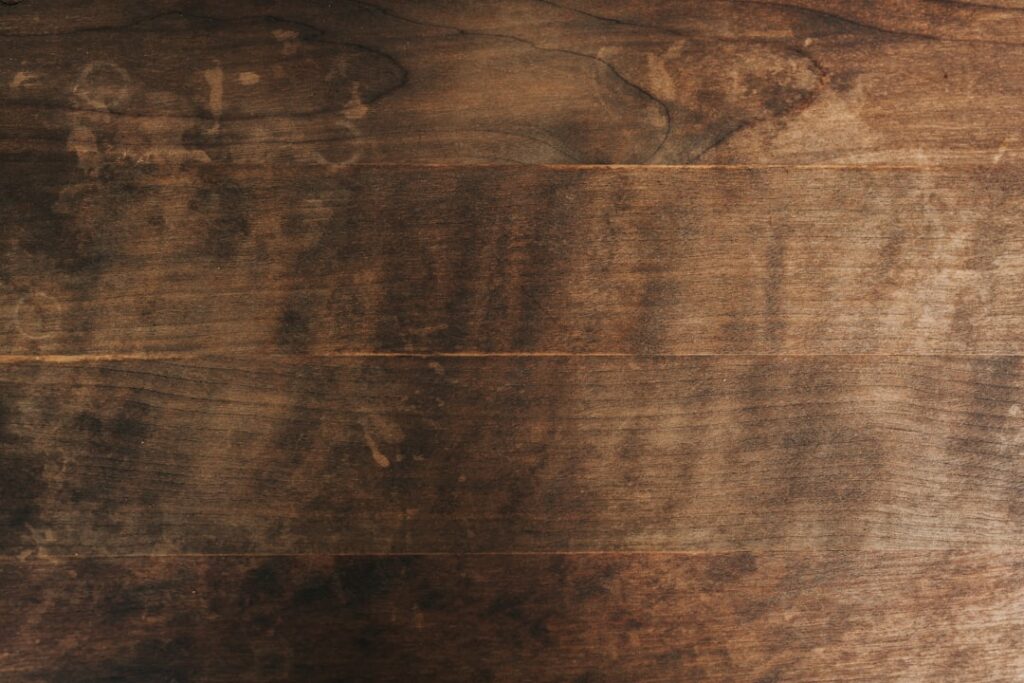
On the depth scale, Early American is a solid medium — darker than Golden Oak and Fruitwood, lighter than Provincial by a half-step and clearly lighter than Special Walnut and Dark Walnut. Its defining trait is the undertone: a warm red-orange base that reads “aged” rather than “orange.” Where Provincial leans toward tan-orange and Special Walnut stays coolly neutral, Early American carries a russet warmth that flatters knots, wear marks, and rustic character. Under an oil-based topcoat that warmth amplifies into a honeyed antique glow; under water-based poly it stays a more restrained red-brown.
In design terms: Early American is a farmhouse and traditional color first, but its recent resurgence comes from the swing back toward warm interiors — it pairs naturally with cream walls, aged brass, and the warm-neutral paint palettes dominating 2026 (more on pairings below).
How Early American Behaves by Species
| Wood | Result | Notes |
|---|---|---|
| Pine | Excellent — its signature pairing | Reads warm honey-brown; conditioner still recommended to prevent blotch |
| Red oak | Rich and traditional | Wood’s pink base amplifies the red undertone; grain stripes boldly |
| White oak | Balanced, slightly more muted | Closest to the printed chip |
| Poplar | Good with conditioner | Warmth cancels poplar’s green cast better than neutral browns do |
| Maple/birch | Light and uneven | Tight grain limits uptake; expect a paler tint or switch to gel format |
| Ash | Strong grain contrast | Reads a touch more orange than on oak |
The pine pairing deserves emphasis: dark stains blotch on pine and light stains vanish, but Early American’s medium depth and warm base sit right in pine’s tolerance zone. With a $7 can of pre-stain conditioner and a 5-10 minute dwell, it’s arguably the highest-success-rate color a beginner can put on pine furniture.
Brand Equivalents and Close Neighbors
- Minwax Early American (Wood Finish, oil): the reference version — medium red-brown, 8-hour recoat, about $7 per half-pint.
- Varathane Early American (Premium Fast Dry): same name, slightly higher pigment load; one coat lands close to 1.5 coats of the Minwax. Marginally less red.
- Minwax Water Based Semi-Transparent, Early American tint: the waterborne take; drier, slightly flatter warmth, 2-hour recoat. See our water based wood stain guide for how the chemistry changes application.
- General Finishes “New Pine” / “Antique Oak” (gel): not name-matched, but the closest GF gel territory; useful when you need Early American’s look on maple or birch.
- Close Minwax neighbors: Provincial (more orange-tan, less red), Fruitwood (lighter, pinker), English Chestnut (darker, redder), Special Walnut (same depth, neutral instead of warm).
If you’re torn between Early American and its neighbors, the pattern is simple: choose Early American for warmth with age-character, Provincial for traditional orange-brown trim matching, Special Walnut for modern-neutral rooms. The master wood stain color chart puts all of them side by side with undertones.
What Early American Pairs With
- Wall colors: warm whites and creams (think Alabaster-class whites), greige and mushroom neutrals, muted sage greens, and deep navy for contrast. Avoid cool blue-grays, which turn the stain’s red undertone rusty by comparison — if your walls are cool gray, Special Walnut integrates better.
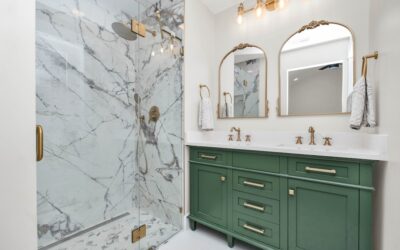
- Metals and hardware: aged brass, oil-rubbed bronze, matte black, antique iron. Polished chrome fights the antique warmth.
- Other wood tones: Early American plays well in mixed-wood rooms as the middle value — lighter white-oak floors below, darker walnut accents nearby. Keep undertones consistent (all warm) and vary depth freely.
- Fabrics and materials: linen, leather (especially cognac), rattan, soapstone, butcher block.
Application Notes for Best Results
- Sand to 120-150 grit; stir the can thoroughly from the bottom — the red pigment fraction settles first, and an under-stirred can produces a flatter, browner result.
- On pine and poplar, apply conditioner, wait 15 minutes, and stain within 2 hours.
- Dwell 5 minutes for a honeyed light take, 10-15 minutes for full catalog depth. Wipe all excess with the grain.
- One coat is genuinely enough on oak; use a second coat on conditioned pine to recover the depth conditioner costs you.
- Topcoat choice sets the mood: oil-based polyurethane pushes it golden-antique; water-based poly keeps it quieter and more modern. Sample both on scrap — the difference is bigger with this color than with neutral browns.
Layering With Early American
Early American is one of the most useful base colors in layered finishes. Its warmth neutralizes cool casts, which is why it appears constantly in recipes: a dried coat of Early American under Classic Gray produces a warm driftwood with no purple (the standard fix detailed in our gray wood stain guide); under a dark walnut wash it adds glow to otherwise flat dark finishes; 1:1 with Special Walnut it creates a balanced mid-brown that’s warmer than Special Walnut but calmer than Early American straight. Mix within one brand and base, record ratios, and always test with topcoat.
Project Ideas Where Early American Excels
The color’s warmth and mid-depth make it the right default for a specific set of projects. Farmhouse dining tables and benches, especially in pine or red oak, are its home turf — the shade reads like decades of honest use from day one. Open shelving against white or cream kitchen walls is another natural: Early American is dark enough to contrast with pale paint but light enough that the shelf doesn’t read as a black bar. Mantels, window seats, stair treads paired with painted risers, picture-frame batches, and butcher-block-style desktops all take it well. It’s also the classic choice for refinishing garage-sale pine furniture — dressers and nightstands from the 1970s-90s that come cheap, sand easily, and were practically designed for this color family. Where it’s the wrong default: sleek modern pieces in cool-toned rooms (go Special Walnut), anything meant to read Scandinavian-light (go Weathered Oak or natural), and red-heavy woods like cherry where the combined redness overshoots.
A 30-Minute Test Plan Before You Commit
Cut two offcuts from your project wood and sand to your final grit. Condition one (if pine or poplar), leave the other raw, and stain both — you’ll see exactly what the conditioner costs in depth and buys in evenness. When dry, brush your actual topcoat on half of each board. You now have four data points: raw vs conditioned, bare vs topcoated. Judge them in the room where the piece will live, under evening light as well as daylight, since Early American’s red warmth blooms under warm bulbs. Total cost: one half-pint of stain, and the certainty that the most common stain-project regret — “it looked different on the chip” — can’t happen to you.
FAQ
Is Early American darker than Provincial? They’re close; Provincial typically reads a touch darker and noticeably more orange. Early American is redder and slightly softer.
Does Early American look orange? On red oak with an oil topcoat, it can drift orange-amber. Keep it calmer with water-based poly, or step to Special Walnut if orange is a dealbreaker.
Is it good for floors? This article covers furniture and trim products; floor stain versions of the color exist, but flooring application is its own process with different products and sheens.
How much do I need? Coverage is roughly 150 sq ft per quart, 35-40 sq ft per half-pint. A dresser or six-chair set of frames fits in a half-pint with room to spare.
Can I use it outside? No — interior stains lack UV protection. Exterior products in similar warm-brown tones are covered in our outdoor wood stain guide.
Early American endures because it makes inexpensive wood look storied rather than stained. Test it on your actual species with your actual topcoat, and expect to be surprised how much warmth one coat brings.