The vinyl flooring aisle at any big-box store is littered with acronyms that confuse even seasoned remodelers: LVT, LVP, SPC, WPC, and VCT. Sorting out what does LVT stand for in flooring is the first step toward making a smart purchase, and it reveals a category that has eaten a huge share of ceramic tile and hardwood sales over the past decade. LVT is not just marketing shorthand. The construction, wear layer, and backing choices create real performance differences that affect how long your floor lasts.
LVT Defined: Luxury Vinyl Tile
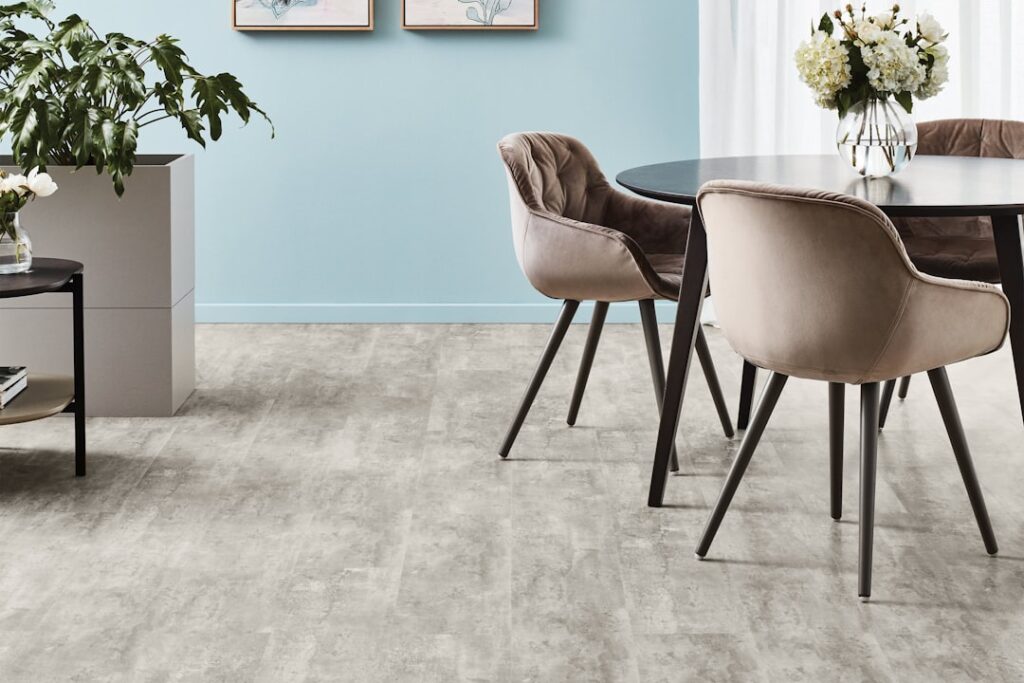
LVT stands for Luxury Vinyl Tile, a premium category of multi-layer vinyl flooring shaped to mimic stone, ceramic, or concrete tile. Each piece typically measures 12×12, 12×24, 18×18, or 24×24 inches and arrives with realistic surface textures, beveled edges, and photographic prints that rival real tile from a few feet away.
The word “luxury” distinguishes LVT from older sheet vinyl and vinyl composition tile, which used a single homogenous layer of PVC. Modern LVT is a laminated stack with distinct functional layers, much closer in sophistication to laminate or engineered hardwood than to the flexible vinyl flooring of the 1980s.
How LVT Differs From LVP
LVP, or Luxury Vinyl Plank, is the wood-look sibling of LVT. Both share identical layer construction and wear-layer options. The only meaningful difference is shape: LVT comes in square or rectangular tile formats to mimic stone and ceramic, while LVP ships in long plank shapes for wood looks.
Some manufacturers use “LVT” as an umbrella category that includes both plank and tile formats. When shopping, look past the acronym and confirm the printed product description, thickness, and wear-layer specs on each box. The performance metrics matter far more than which letter appears on the marketing.
The Five-Layer Construction
A quality LVT tile is built up in five distinct layers. From bottom to top: a backing layer for stability, a core layer of rigid or flexible PVC, a printed design film, a transparent wear layer, and a topcoat for stain and scuff resistance. Each layer serves a specific purpose and contributes to overall performance.
Core types fall into categories: flexible, SPC (Stone Plastic Composite), and WPC (Wood Plastic Composite). SPC cores are denser and more dent-resistant. WPC cores feel softer and warmer underfoot but dent more easily. Flexible cores flex over minor subfloor imperfections and are often used in glue-down installations.
Wear Layer and What the Numbers Mean
The wear layer is the clear urethane coating on top that resists scratches, scuffs, and traffic abrasion. Residential LVT wear layers range from 6 mils (0.006 inches) to 22 mils. A 6-mil wear layer suits closets and guest bedrooms, 12 mils handles family rooms, and 20+ mils performs in commercial settings.
For homes with pets, kids, and high traffic, specify at least 20 mils. Products like Coretec Pro Plus, Karndean Korlok, and Shaw Endura all meet that threshold. The wear layer determines warranty terms directly, with 20-mil products typically carrying 20+ year residential warranties.
Installation Methods
LVT installs three ways: floating click-lock, glue-down, and loose-lay. Click-lock systems are the most DIY-friendly. Tiles snap together over any clean, flat subfloor, and the floor floats without adhesive. Expect $2 to $4 per sq ft in labor for professional installation.
Glue-down LVT bonds directly to the subfloor with spread adhesive, creating a dimensionally stable surface that handles heavy rolling loads. This is the preferred method for commercial spaces and any room with heated flooring. Loose-lay tiles sit on a friction backing without clicks or glue and work best under 500 sq ft in rooms without high traffic.
Performance Versus Competing Materials
Compared with ceramic tile, LVT is warmer underfoot, quieter, softer on dropped glassware, and faster to install. It lacks the cold, hard permanence of real porcelain and will eventually wear through at pivot points, which tile will not.
Against hardwood, LVT wins on water resistance and cost but loses on refinish potential. A scratched hardwood floor can be sanded and recoated in a weekend. A scratched LVT tile must be lifted and replaced. Against laminate, LVT is typically more water-resistant and slightly softer underfoot, though modern waterproof laminates have closed the gap significantly.
Cost Breakdown and What to Budget
Entry-level LVT starts around $1.50 per sq ft at big-box stores, with mid-tier products from Armstrong Rigid Core and Mannington Adura at $3 to $5. Premium European brands like Karndean, Amtico, and Mannington’s higher lines sit at $5 to $10 per sq ft.
Installation adds $1.50 to $4 per sq ft depending on method and subfloor prep. Total installed cost for a 500 sq ft room typically runs $2,000 to $5,000. Even the top-tier LVT remains cheaper than comparable ceramic tile installations while offering faster turnaround and warmer comfort.
Best Applications and Where to Avoid LVT
LVT shines in kitchens, laundry rooms, basements, bathrooms, and mudrooms thanks to its waterproof construction. It also performs well in entryways, hallways, and heavy-traffic living areas where durability matters most.
Avoid LVT in sunrooms or any space with large unshaded windows facing south or west. Direct sunlight can heat the surface to over 140°F, which voids most manufacturer warranties and eventually distorts the tiles. In those rooms, choose porcelain tile instead. Everywhere else, LVT is one of the most versatile and durable options on the market today.
Cleaning and Long-Term Care
Daily sweeping or dry dust-mopping prevents grit from scratching the wear layer over time. For mopping, use a pH-neutral cleaner like Bona Stone, Tile and Laminate or a simple mix of a gallon of warm water with a teaspoon of dish soap. Avoid oil-based cleaners, wax polishes, and abrasive scrubbing pads, all of which damage the protective topcoat.
Felt pads under furniture legs prevent scratches from everyday sliding, and a walk-off mat at exterior doors catches abrasive soil before it tracks onto the floor. With these simple habits, a quality LVT floor keeps its finish looking new well past the 15-year mark in typical residential use.
Prefer to explore on your own?
See how new flooring looks in your actual room in seconds — free, no signup.
Try the free Floor Studio →