
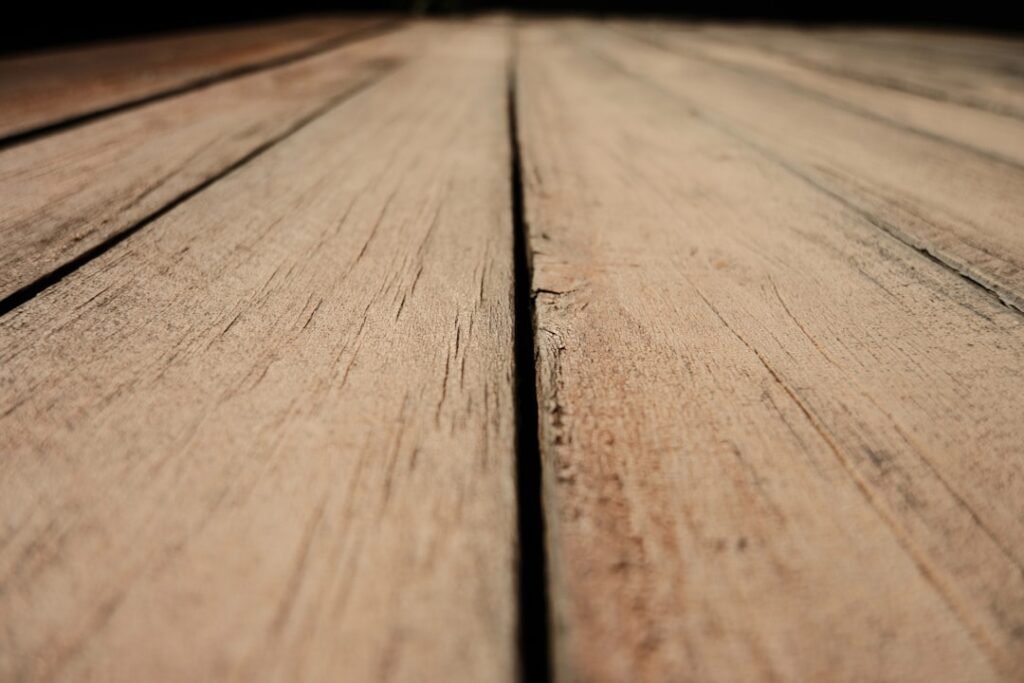
Figuring out what grit sandpaper for deck work you actually need trips up more weekend warriors than almost any other part of the job. People assume that finer is always better, the way it is on furniture, and then they wonder why their stain beads up and refuses to soak in. A deck is not a tabletop. The grit you choose has to balance smoothing the wood against keeping the grain open enough to drink up finish, and that balance is the whole game.
Part of our Decks & Outdoor guide — explore the full guide →
The Short Answer on Grit
For nearly every deck, you’ll use two grits in sequence. Start coarse to remove the old finish and rough surface, then step up one level for a final pass that smooths splinters without sealing the wood. Here’s the working rule:
- 60 to 80 grit: Stripping old stain, paint, or weathered fibers, and the initial leveling pass.
- 80 to 100 grit: Final finish sanding right before you stain.
That’s it. Resist the urge to keep climbing to 120, 150, or 220. On a deck, going too fine actually works against you, and I’ll explain exactly why below.
Why You Should Not Go Too Fine
This is the single most important thing to understand. Sanding wood smoother than about 100 grit burnishes the surface, it polishes and closes the grain. Deck stains and sealers need open pores to penetrate. When you sand to 120 grit or finer before staining, you effectively buff the wood shut, and the stain sits on top instead of absorbing. The result is a blotchy finish that peels and wears off fast.
So when someone asks me what grit sandpaper for deck staining, my firm answer is to stop at 80 or 100. That range knocks down the fuzz and splinters while leaving the grain hungry enough to pull finish deep into the wood. Save your 220-grit paper for the bookshelf in the garage.
Matching Grit to the Job
The exact starting grit depends on the condition of the boards. Walk the deck first and assess how much material you need to remove:
- Old, peeling stain or paint: Start at 60 grit to cut through the buildup, then finish at 80.
- Gray, weathered but unfinished wood: Begin at 80 grit to remove the dead surface fibers, finish at 100.
- New pressure-treated lumber with mill glaze: A light pass at 80 grit opens the surface so stain can grip.
- Smooth boards in decent shape: A single pass at 80 to 100 grit is plenty.
The goal at every stage is uniformity. You want the entire surface to feel and look consistent before you move to the next grit, so the stain absorbs evenly across the whole deck rather than patchy in spots.
Tools for the Job
The grit only matters if you pair it with the right tool. For the main deck boards, a random orbital sander loaded with hook-and-loop discs is the workhorse, fast, easy to control, and gentle enough to avoid gouging. A 5-inch orbital handles most residential decks without wearing out your arms.
For the flat field of a large deck, some pros rent a walk-behind orbital floor sander, but be cautious; the aggressive drum sanders made for hardwood floors can scoop divots out of soft deck boards in a heartbeat. For railings, balusters, and tight corners, keep a sanding sponge or a detail sander in the 80-grit range. Those spindles are where a smooth job is won or lost.
Step-by-Step Sanding Sequence
Here’s the order I follow on a typical refinish so the grit progression actually pays off:
- Clean the deck thoroughly and let it dry for at least 48 hours; sanding damp wood gums up the paper.
- Set and countersink any popped screws or nails so they don’t shred your discs.
- Strip with 60 to 80 grit, working in the direction of the grain, board by board.
- Sweep and vacuum all the dust completely.
- Make the final pass at 80 to 100 grit for a smooth, stain-ready surface.
- Wipe down with a dry cloth or blower, then stain within a day or two before the wood weathers again.
Always sand with the grain, never across it. Cross-grain scratches show through stain like neon, especially on darker colors.
Common Mistakes to Avoid
A few errors come up over and over on deck projects. The biggest, as covered, is over-sanding to a fine grit that blocks stain absorption. Right behind it is skipping grits unevenly, jumping from 60 straight to a final coat without an intermediate smoothing pass, which leaves visible scratch marks.
Other frequent slip-ups include sanding wet wood, pressing too hard and creating dish-shaped depressions, and forgetting to vacuum dust between passes so grit gets dragged back across the surface. Take your time, let the sander do the cutting, and keep the surface clean as you go.
One more mistake worth flagging: using worn-out paper. Sandpaper dulls fast on the gritty, weathered surface of an old deck, and dull discs burnish the wood instead of cutting it, which closes the grain just like over-fine grit does. Swap to a fresh disc the moment it stops removing material easily. A 12-by-16-foot deck can eat a dozen or more discs across both passes, so buy plenty and change them often rather than fighting a glazed-over sheet.
Grit and Wood Species
The type of wood your deck is built from nudges the grit slightly. Softwoods like pressure-treated pine and cedar are forgiving and sand quickly; stick to the 80-grit final pass so you don’t over-smooth them. Dense hardwoods such as ipe, cumaru, and other tropical decking are a different animal, they’re oily and tight-grained, so a final pass at 100 grit is appropriate and they accept stain best when the surface is freshly sanded. Even with hardwoods, do not climb past 100; the burnishing rule still applies, and oily species are especially prone to sealing shut.
Final Recommendations
To put a bow on what grit sandpaper for deck refinishing you should buy: stock up on 60 or 80 grit for the heavy stripping work and 80 or 100 grit for the final pass. Skip anything finer than 100 because it burnishes the wood and ruins stain penetration. Pair those grits with a random orbital sander for the boards and a sanding sponge for the details.
Do it in the right sequence, sand with the grain, clear the dust between passes, and stain within a day or two of finishing. Follow that and you’ll get a deck that absorbs finish evenly, looks sharp, and holds up to a few more seasons of foot traffic and weather. The grit choice is simple once you stop thinking like a furniture maker and start thinking like a deck does.


