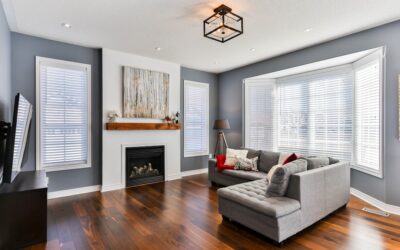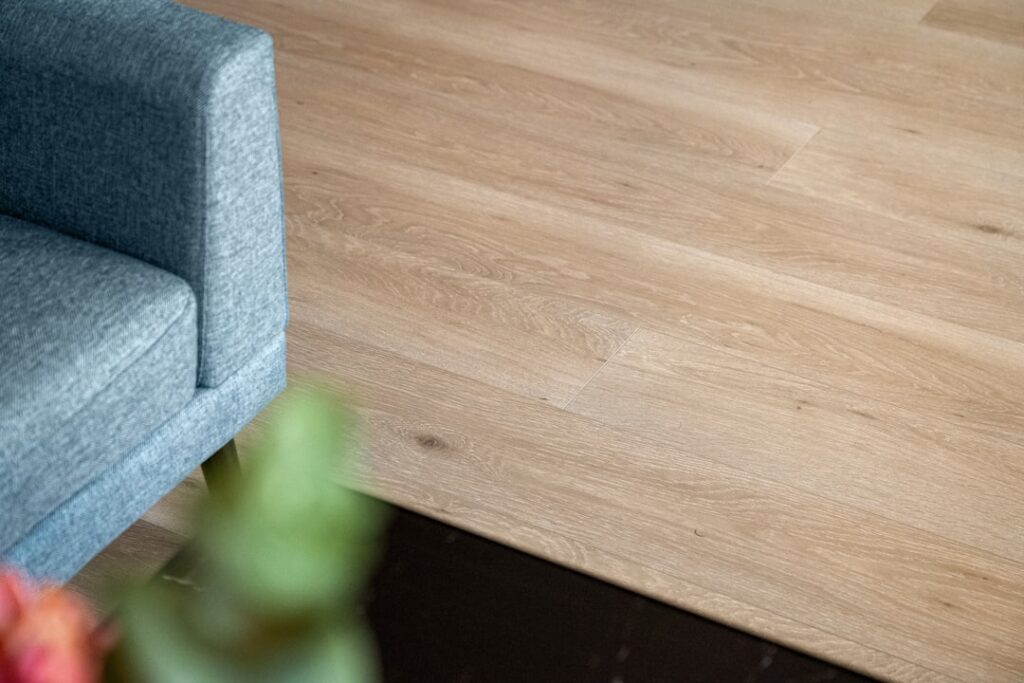
Understanding what is hardwood goes beyond a simple dictionary definition if you are shopping for flooring, building furniture, or trying to make sense of the options at your local home improvement store. Hardwood is a category of wood from deciduous trees, but the practical differences between hardwood species, grades, and product types affect everything from durability and appearance to cost and environmental impact. With over 30 years of experience in the flooring industry, our team has worked with virtually every hardwood species available in the North American market, and this guide shares the knowledge we have built through decades of hands-on work.
This comprehensive guide covers the botanical definition of hardwood, how it differs from softwood, the Janka hardness scale that measures durability, the most common species used in flooring, solid versus engineered construction, grading systems, and sustainability considerations.
What Is Hardwood? The Definition
In botanical terms, hardwood refers to wood that comes from angiosperm trees, which are trees that produce seeds enclosed in a fruit or nut. These are typically deciduous trees that lose their leaves seasonally, though some tropical hardwoods are evergreen. The term “hardwood” does not necessarily mean the wood is physically hard. It is a botanical classification, not a measurement of density.
Common examples of hardwood trees include oak, maple, walnut, cherry, hickory, ash, birch, and mahogany. These species produce wood with a complex cellular structure that includes vessels (pores) for transporting water, which gives hardwood its characteristic grain patterns visible in flooring and furniture.
The cellular structure of hardwood is denser and more varied than softwood in most species, which is why the majority of hardwoods are in fact harder than most softwoods. However, there are exceptions. Balsa wood, for instance, is botanically a hardwood despite being one of the softest and lightest commercial woods. Conversely, yew is a softwood that is harder than many hardwoods.
For flooring purposes, the practical definition of hardwood is wood from species dense enough to withstand foot traffic, furniture weight, and daily wear over decades. This is where the Janka hardness scale becomes essential for making informed decisions.
Hardwood vs. Softwood
Understanding what is hardwood requires knowing how it differs from softwood at both the biological and practical levels:
Botanical difference: Hardwoods come from angiosperm (flowering) trees. Softwoods come from gymnosperm (cone-bearing) trees, primarily conifers like pine, spruce, cedar, and fir. This distinction is based on seed structure and reproductive biology, not wood density.
Cellular structure: Hardwood contains vessels (pores) that appear as open channels in the wood grain. Softwood lacks these vessels and instead uses tracheids for water transport, resulting in a more uniform cellular structure. The pores in hardwood are what create the visible grain patterns that make oak, walnut, and ash flooring visually distinctive.
Growth rate: Most hardwood trees grow more slowly than softwood trees, which is one reason hardwood lumber tends to be more expensive. An oak tree may take 60 to 80 years to reach harvestable size, while a pine plantation produces commercially viable timber in 20 to 30 years.
Density and hardness: On average, hardwoods are denser and harder than softwoods, though significant overlap exists. Red oak has a Janka rating of 1,290, while white pine rates only 380. However, Douglas fir (a softwood) rates 660, which exceeds some lower-density hardwoods like poplar (540).
Cost: Hardwood lumber and flooring generally costs more than softwood due to slower growth rates, more complex milling requirements, and higher demand for finished products like flooring and furniture. Softwood dominates structural framing and construction where it is hidden behind walls and floors.
Flooring suitability: Hardwood is the standard choice for interior flooring because its density resists denting, scratching, and wear from foot traffic. Softwood flooring exists (heart pine, Douglas fir, reclaimed barn wood) but dents and scratches more easily, developing a worn character that some homeowners find appealing and others find unacceptable.
The Janka Hardness Scale
The Janka hardness test is the standard measurement for comparing the hardness of wood species, and it is the single most useful number when evaluating hardwood flooring options.
The test measures the force (in pounds-force) required to embed a 0.444-inch steel ball halfway into the wood. The result is the Janka rating, expressed in pounds-force (lbf). Higher numbers indicate harder wood.
Here are Janka ratings for the most common flooring species:
- Brazilian Walnut (Ipe): 3,680 lbf
- Hickory/Pecan: 1,820 lbf
- Hard Maple: 1,450 lbf
- White Oak: 1,360 lbf
- Red Oak: 1,290 lbf (industry benchmark)
- Ash: 1,320 lbf
- Birch: 1,260 lbf
- American Walnut: 1,010 lbf
- American Cherry: 950 lbf
- Heart Pine: 870 lbf (softwood)
- Douglas Fir: 660 lbf (softwood)
Red oak at 1,290 is considered the benchmark for residential flooring. Species with higher Janka ratings resist dents and scratches better and are recommended for high-traffic areas, homes with large dogs, and households with active children. Species with lower ratings, like cherry and walnut, are beautiful but will show wear marks more readily.
A practical rule of thumb: for main living areas with moderate to heavy traffic, choose species with a Janka rating of 1,200 or above. For bedrooms and low-traffic areas, softer species are perfectly acceptable.
Common Hardwood Species for Flooring
Knowing what is hardwood at the species level helps you choose flooring that matches your aesthetic preferences and practical needs:
Red Oak: The most widely installed hardwood floor in the United States. Red oak has a pronounced grain pattern with a warm, pinkish-brown tone. It accepts stain well, allowing you to customize the color. Abundant supply keeps pricing moderate. Red oak works in traditional, farmhouse, and transitional homes.
White Oak: Slightly harder and more moisture-resistant than red oak due to its closed cellular structure. White oak has a cooler, more golden tone with a subtler grain pattern. It is the preferred species for European-style flooring and wide-plank installations. White oak has surged in popularity over the past five years.
Hickory: The hardest domestic species commonly used in flooring. Hickory features dramatic color variation from cream to dark brown within the same installation, along with strong grain patterns and mineral streaks. It is the most durable choice for households with large dogs and heavy traffic.
Hard Maple: A dense, light-colored wood with a fine, subtle grain. Maple creates clean, contemporary floors with a uniform appearance. It is the standard wood for basketball courts, which speaks to its durability. Maple does not accept dark stains as evenly as oak, so it is best used in natural, blonde, or lightly stained finishes.
American Walnut: A dark, rich brown wood with flowing grain patterns. Walnut flooring adds warmth and sophistication to any room. Despite its lower Janka rating (1,010), walnut is chosen for its beauty in formal living spaces, dining rooms, and master bedrooms where traffic is moderate.
American Cherry: A warm, reddish-brown wood that deepens in color over time with exposure to light. Cherry’s lower hardness (950) makes it best suited for low-traffic areas. Its smooth grain and warm color make it popular in traditional and colonial-style homes.
Exotic species: Brazilian cherry (Jatoba), Brazilian walnut (Ipe), and Santos mahogany offer extremely high hardness ratings and distinctive grain patterns not found in domestic species. They cost significantly more and raise sustainability questions that domestic species do not.
Solid vs. Engineered Hardwood
Two distinct product types carry the hardwood label, and understanding the difference is essential when evaluating what is hardwood flooring:
Solid hardwood is exactly what it sounds like: a single piece of hardwood milled to a standard thickness, typically 3/4 inch. Solid hardwood is nailed or stapled to a plywood subfloor and can be sanded and refinished multiple times over its lifespan, which can exceed 100 years in well-maintained homes. The main limitation is moisture sensitivity. Solid hardwood expands and contracts with humidity changes, making it unsuitable for below-grade basements, concrete slabs, and areas with high moisture like bathrooms.
Engineered hardwood features a real hardwood veneer (typically 1/16 to 1/4 inch thick) bonded to a core of plywood, HDF, or other layered wood. The cross-laminated construction resists expansion and contraction, making engineered hardwood stable enough for installation over concrete slabs, radiant heating systems, and below-grade spaces. Engineered hardwood with a thicker wear layer (3mm or more) can be refinished one to three times, while thinner veneers are surface-coated only.
Key differences:
- Cost: Engineered is comparable to solid at the mid-range level. Premium engineered products with thick veneers and quality cores can actually cost more than basic solid hardwood.
- Installation: Engineered offers more flexibility with click-lock floating, glue-down, and nail-down methods. Solid is limited to nail-down or staple-down over plywood.
- Longevity: Solid hardwood lasts longer because it can be refinished more times. However, even one refinishing extends engineered hardwood by 15 to 20 years.
- Appearance: Both look identical once installed. The wear layer on engineered hardwood is real wood, so the grain, color, and texture are indistinguishable from solid hardwood.
Hardwood Grading System
Hardwood lumber and flooring are graded based on appearance characteristics. The grading system established by the National Hardwood Lumber Association (NHLA) is the standard in the United States:
Select and Better (or First Grade): The highest grade, featuring minimal knots, mineral streaks, and color variation. Select-grade hardwood provides the most uniform, clean appearance. It costs the most because more raw lumber must be sorted through to yield select-grade boards.
Number 1 Common (or Standard Grade): Allows more natural character including small knots, minor color variation, and occasional mineral streaks. This grade represents the best balance of appearance and value for most residential flooring installations. The natural variation gives floors character without appearing defective.
Number 2 Common (or Rustic Grade): Permits larger knots, more pronounced color variation, worm holes, and other natural character marks. Rustic-grade hardwood has become increasingly popular as farmhouse and reclaimed-look aesthetics have gained mainstream appeal. It costs less than higher grades while delivering a distinctive, characterful floor.
Character or Cabin Grade: The lowest grade, with open knots, significant color variation, and other natural defects. These boards would be rejected in higher grades but are sought after for rustic, distressed, and industrial design styles.
Importantly, grade does not indicate structural quality or durability. A Number 2 Common board of red oak is just as hard and durable as a Select board from the same species. Grade only describes visual characteristics, so choosing a lower grade is a design preference, not a quality compromise.
Uses of Hardwood in Flooring
Now that you understand what is hardwood from a material science perspective, here is how it is applied in flooring:
Strip flooring: Narrow boards, typically 2-1/4 inches wide, installed in parallel rows. This is the traditional hardwood floor format found in millions of American homes built from the 1940s through 1990s. Strip flooring creates a classic look with a regular, linear rhythm.
Plank flooring: Wider boards, ranging from 3 to 8 inches or more. Wide-plank flooring has become the dominant style because it showcases the wood grain more prominently and creates a more modern, spacious feel. Wider planks also mean fewer seams, which contributes to a cleaner appearance.
Parquet: Small pieces of hardwood arranged in geometric patterns, the most common being herringbone and chevron. Parquet flooring creates intricate, decorative floors associated with European design and formal spaces. It has experienced a strong resurgence in contemporary and transitional interiors.
Reclaimed hardwood: Salvaged from old barns, factories, warehouses, and demolished buildings, reclaimed hardwood offers aged character, rare species (like American chestnut), and environmental benefits. Reclaimed floors have nail holes, weathering marks, and patina that new wood cannot replicate.
Hand-scraped and distressed: Factory-applied texturing that gives new hardwood an aged, artisanal appearance. Hand-scraping creates shallow ridges and undulations in the wood surface. Wire-brushing removes soft grain to emphasize the harder growth rings. These textured finishes hide minor scratches and wear better than smooth-finished floors.
Sustainability and Environmental Impact
Sustainability is an increasingly important factor in understanding what is hardwood and how to choose it responsibly:
Domestic vs. exotic species: Choosing domestic hardwoods like oak, maple, and hickory sourced from well-managed North American forests is the most sustainable flooring choice. These species regenerate naturally and are harvested under strict forestry regulations. Exotic species from tropical regions may involve deforestation, illegal logging, and carbon-intensive shipping.
FSC and PEFC certification: The Forest Stewardship Council (FSC) and Programme for the Endorsement of Forest Certification (PEFC) verify that wood products come from sustainably managed forests. Look for these certifications on hardwood flooring products as assurance that the wood was harvested responsibly.
Carbon storage: Wood products store carbon throughout their useful life. A hardwood floor installed in your home holds carbon that the tree absorbed during decades of growth. This makes wood flooring a carbon-negative building material when sourced from forests that are replanted after harvest.
Longevity as sustainability: A solid hardwood floor that lasts 80 to 100 years through multiple refinishings consumes far fewer resources over its lifespan than flooring materials that must be replaced every 10 to 20 years. The long lifespan of hardwood is itself a sustainability advantage.
Reclaimed wood: Using reclaimed hardwood completely eliminates the need for new tree harvesting while repurposing material that would otherwise enter a landfill. Reclaimed hardwood is the most environmentally friendly flooring option available, though supply is limited and pricing can be higher.
Engineered hardwood efficiency: Engineered hardwood uses less of the premium hardwood species per board because only the wear layer is the target species. The core layers use fast-growing or lower-value wood. This makes engineered hardwood more resource-efficient than solid hardwood while delivering the same surface appearance.
Frequently Asked Questions
What makes wood a hardwood vs. a softwood?
Hardwood comes from angiosperm trees that produce seeds enclosed in a fruit or nut. Softwood comes from gymnosperm trees that produce exposed seeds, typically in cones. The terms do not directly indicate physical hardness, though most hardwood species are in fact harder than most softwood species due to their denser cellular structure.
Is hardwood flooring worth the cost?
Hardwood flooring is generally considered a worthwhile investment because it lasts 50 to 100 years, can be refinished multiple times, and consistently adds to home resale value. The National Association of Realtors reports that hardwood floors are the number one feature home buyers look for. While the upfront cost is higher than carpet or laminate, the per-year cost over the floor’s lifespan is competitive with or lower than less expensive materials that need replacing more frequently.
What is the hardest hardwood for flooring?
Among commonly available flooring species, Brazilian walnut (Ipe) at 3,680 on the Janka scale is the hardest. For domestic species, hickory at 1,820 is the hardest widely used flooring wood. Extremely hard exotics like cumaru and massaranduba exceed 3,000 on the Janka scale but are less commonly stocked by flooring retailers.
Can hardwood flooring be installed in a basement?
Solid hardwood is not recommended for basements due to moisture concerns. Engineered hardwood, with its cross-laminated construction that resists expansion and contraction, can be installed in basements when moisture testing confirms acceptable levels (below 4 pounds per 1,000 square feet per 24 hours using a calcium chloride test). Proper moisture barriers beneath the flooring are essential for any below-grade installation.
How long does hardwood flooring last?
Solid hardwood flooring lasts 80 to 100 years or more with proper maintenance and periodic refinishing. Engineered hardwood with a thick wear layer lasts 40 to 80 years. The actual lifespan depends on the species hardness, quality of installation, traffic levels, and maintenance routine. Many homes still have original hardwood floors from the early 1900s that remain beautiful after refinishing.
Prefer to explore on your own?
See how new flooring looks in your actual room in seconds — free, no signup.
Try the free Floor Studio →