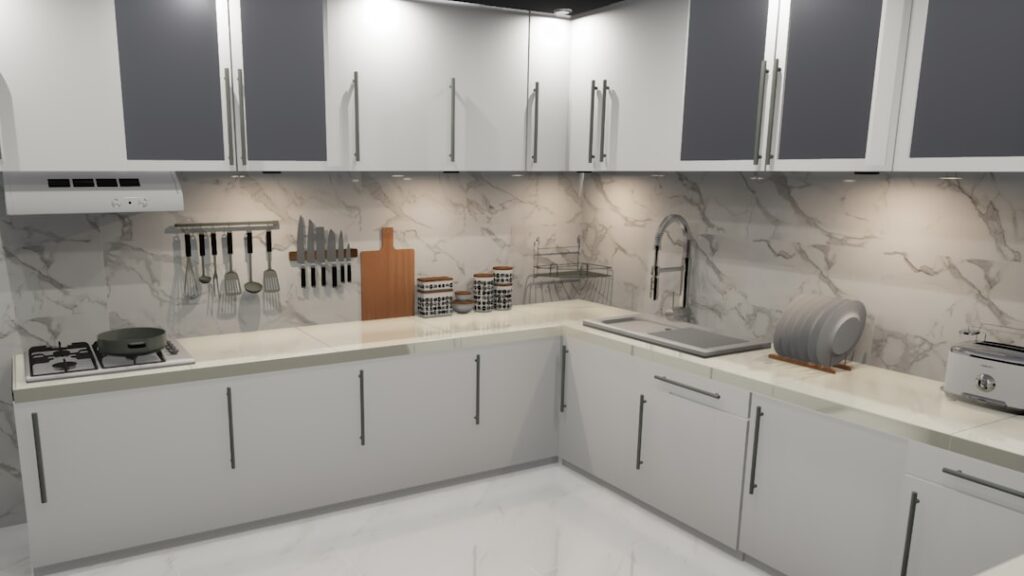
Most kitchens have one of two towel problems: damp towels piled on the counter because there is nowhere to hang them, or towels draped over the oven handle blocking access to the dishwasher. Knowing where to hang kitchen towels in your specific kitchen layout solves both issues and adds a small but meaningful design touch. The right placement is not just about looks — towels that dry properly between uses last twice as long and stay free of the mildew smell that builds up when wet cotton sits folded in a drawer.
- 1. Oven Handle (The Default for a Reason)
- 2. Cabinet Door Hooks
- 3. Under-Cabinet Towel Bar
- 4. Side of the Refrigerator (Magnetic Bar)
- 5. End of the Kitchen Island
- 6. Pull-Out Towel Rod Inside a Drawer
- 7. Standalone Towel Stand
- 8. Wall-Mounted Hook Rail
- 9. Inside the Sink Cabinet Door
- Hardware Picks for Each Spot
- How Many Towels Does a Kitchen Need?
- Final Placement Tips
1. Oven Handle (The Default for a Reason)
The oven door handle is the most popular towel spot because it is convenient, visible, and at the right height for grabbing one-handed. Drape a folded tea towel or a thicker dish towel through the handle and it dries fast thanks to airflow and residual oven warmth.
Downsides: the towel hangs in front of the oven window, blocking visual checks on whatever is baking. And in tight kitchens, the towel can interfere with dishwasher doors that swing toward the range.
2. Cabinet Door Hooks
An over-the-cabinet-door hook is the cheapest and most flexible solution. Brands like Command, mDesign, and InterDesign sell stainless or polished chrome hooks for $6 to $15 each. They hang on the inside of any cabinet door without drilling and disappear when the door is closed.
Best placement is the inside of the cabinet under the sink, where the towel is steps from the dish-washing zone but out of sight when not in use. The constant cabinet airflow dries the towel quickly between uses.
3. Under-Cabinet Towel Bar
For a permanent hidden spot, install a small towel bar mounted to the underside of the upper cabinet right above the sink. The Idesign 12-inch under-cabinet bar ($14 on Amazon) screws on with two screws and holds a regular hand towel. The towel hangs in the sink area but tucks just under the cabinet line, making it almost invisible.
This spot puts the towel exactly where you need it most — at the sink — and the small space stays well-ventilated. Pair it with a 14-inch standard kitchen towel for the right proportions.
4. Side of the Refrigerator (Magnetic Bar)
Magnetic towel bars stick to the side of any steel-clad refrigerator without screws or adhesive. The Jokari Magnetic Towel Bar ($18) holds two towels and supports up to 5 pounds. This works particularly well in kitchens where the fridge stands at the end of a counter run and the side faces an open space rather than a wall.
Stainless steel exteriors with a non-magnetic finish (common on high-end Bosch and Thermador units) won’t work with magnets. Test with a refrigerator magnet first.
5. End of the Kitchen Island
Open islands without cabinets on one end have a perfect home for a towel bar. Mount an 18 to 24-inch bar at counter height on the side of the island and the towel sits within reach of the entire workspace. Choose a finish that matches your faucet — brushed nickel, brass, or matte black are the dominant options.
Drilling into the side of an island feels permanent, but the bar is easy to remove and the small holes patch with caulk before any future paint job.
6. Pull-Out Towel Rod Inside a Drawer
Some custom cabinet makers offer a vertical pull-out towel rod that fits inside a 3-inch wide drawer slot next to the sink. When closed, the rod is invisible; when pulled out, three or four towels hang in the open air to dry. Retrofit kits like the Rev-A-Shelf 432-WC-3C ($120) install in an existing cabinet with basic tools.
This is the premium solution and requires either custom cabinetry or a willingness to modify an existing drawer base. The result looks built-in and never adds clutter to the visible kitchen.
7. Standalone Towel Stand
If you have counter space and rent your home (no drilling allowed) or simply prefer freestanding solutions, a small standalone towel stand parked at the corner of the counter works well. Yamazaki sells minimalist black or white wire stands for $35 to $60 that hold two or three towels with airflow on all sides.
Place the stand near the sink but not so close it gets splashed during dish-washing. The stand also doubles as a drying spot for dishrags and reusable cloths.
8. Wall-Mounted Hook Rail
A wall-mounted hook rail with three to five hooks gives every household member their own towel and adds a useful spot for oven mitts and aprons. Mount it at 48 to 54 inches off the floor for adult use, or lower if kids will be using it.
Place the rail on a wall section near but not directly above the cooking area — heat and grease will discolor light-colored towels over time. A spot near the dining-side of the kitchen, near the doorway, or on a pantry door works well.
9. Inside the Sink Cabinet Door
For purely utility towels — the ratty cleaning rag, the towel reserved for spills — mount a small hook on the inside of the under-sink cabinet door. The towel stays completely hidden, the door swings freely, and you never have ugly cleaning rags on display.
Hardware Picks for Each Spot
- Over-the-door hooks: Command Hooks Brushed Nickel 4-pack, $14
- Under-cabinet bar: Idesign Forma 12-inch, $14
- Magnetic fridge bar: Jokari Heavy Duty Magnetic Hook & Bar, $18
- Island towel bar: Moen Voss 18-inch in brushed nickel, $58
- Pull-out rod kit: Rev-A-Shelf 432-WC-3C, $120
- Standalone stand: Yamazaki Tower Tea Towel Hanger, $42
- Wall hook rail: Pottery Barn Stainless Hook Rail, $89
How Many Towels Does a Kitchen Need?
A typical family kitchen needs three working towel categories. Two dish towels for drying dishes and hands, kept hung and rotated daily. Two cleaning rags for spills and counter wipe-downs, kept tucked under the sink. One decorative tea towel that lives on the oven handle and gets washed weekly. Rotate towels through the laundry on a 3-to-5 day cycle to prevent bacterial buildup.
Final Placement Tips
Test any new towel hook location for a full week before committing to drilled hardware. The right spot is the one you reach for instinctively without thinking. Most kitchens benefit from two or three distinct towel zones — one near the sink, one near the cooking area, and one near the dining transition — rather than a single overloaded spot. Get where to hang kitchen towels right and the kitchen instantly feels more organized and easier to use.