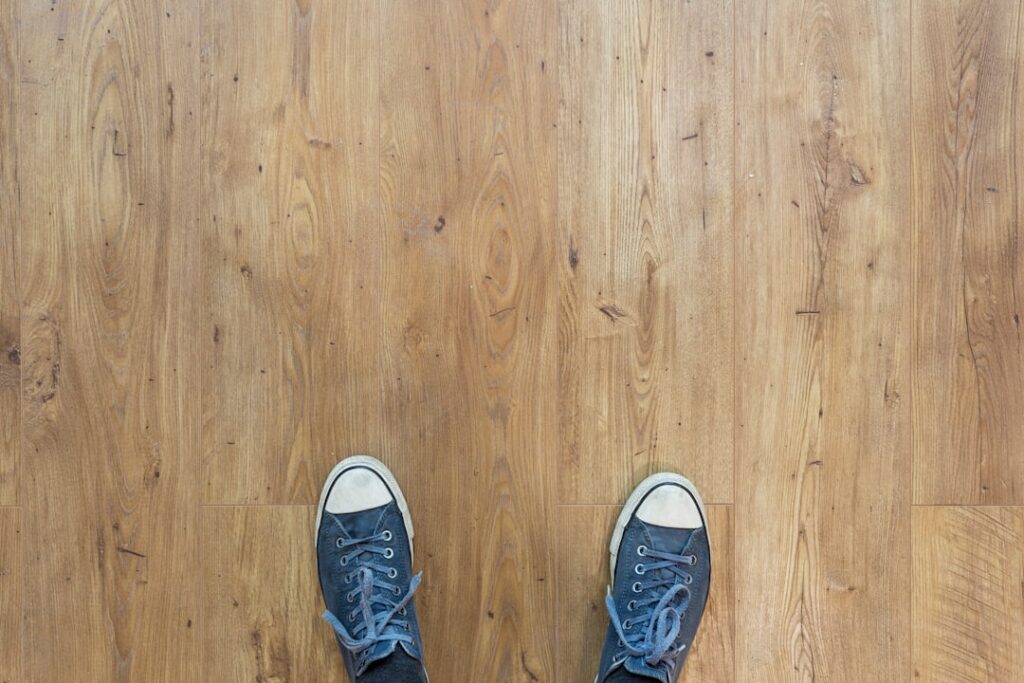
If a sample swatch labeled Whistler oak flooring caught your eye, you are looking at a color and style name rather than a separate species of wood. “Whistler oak” is the kind of décor name flooring brands give to a warm, rustic oak look, often a mid-brown tone with visible grain, knots, and natural variation that evokes a mountain-lodge feel. Whether it shows up as engineered hardwood, laminate, or wood-look LVP depends on the manufacturer. This guide explains the style, where it works best, and how to buy an oak floor in this look without overpaying.
What “Whistler Oak” Really Means
Oak is the most popular hardwood flooring species in North America, and brands sell it in dozens of named colorways. A name like Whistler oak signals a particular finish: typically a warm, medium-brown stain over an oak grain with rustic character, the kind of floor that feels cozy and lived-in rather than sleek and modern. The same name might appear across different product types, so the first thing to confirm is what the plank is actually made of. The look may be real oak veneer, a printed laminate decor, or an embossed LVP film.
Oak Flooring Formats This Look Comes In
The Whistler oak style is sold across several flooring categories. Each behaves differently:
- Solid oak: A single piece of real oak, 3/4 inch thick, refinishable many times but sensitive to moisture and best installed above grade.
- Engineered oak: Real oak veneer over a plywood core, more stable across humidity swings and suitable over concrete slabs.
- Laminate: An HDF core with a printed oak decor and tough wear layer, the most budget-friendly version of the look.
- Wood-look LVP: Waterproof rigid-core vinyl with an embossed oak film, ideal for wet areas.
The visual can look nearly identical across these, but the price, durability, and water resistance differ a lot. Always confirm the construction before comparing quotes.
Why the Rustic Oak Look Is So Popular
There is a reason warm, rustic oak tones dominate showrooms. Oak’s open grain takes stain beautifully and hides minor scratches and dust better than smooth, dark floors. A mid-brown tone like Whistler oak is forgiving with a wide range of wall colors, cabinets, and furniture, which makes it an easy choice for resale. The natural knots and color variation in a rustic grade also disguise everyday wear, so the floor still looks good after years of family traffic. It is a safe, timeless aesthetic.
Pros of Whistler Oak Flooring
Choosing an oak floor in this warm, rustic style brings real advantages:
- Hides wear well: Grain, knots, and a medium tone mask scratches, crumbs, and dust between cleanings.
- Versatile style: Pairs with farmhouse, transitional, and modern interiors alike.
- Wide availability: Oak is the most common species, so this look exists at every price point.
- Strong resale appeal: Neutral, warm wood tones are broadly liked by buyers.
Cons to Weigh
The look has a few trade-offs depending on the format you choose. Solid and engineered oak are real wood, so they cost more and need acclimation and careful moisture management. Laminate and LVP versions are cheaper and tougher against water, but they cannot be refinished, so a deeply damaged plank gets replaced rather than restored. Rustic grades with heavy knots and variation are not for everyone; if you want a clean, uniform floor, a select or clear grade oak will suit you better. And because décor names are not standardized, two brands’ “Whistler oak” may not match exactly, which matters if you ever need more material.
What It Costs
Price depends entirely on format. Expect rough material ranges of:
- Laminate: about $1.50 to $4 per square foot
- Wood-look LVP: about $2 to $5 per square foot
- Engineered oak: about $4 to $9 per square foot
- Solid oak: about $5 to $10 per square foot
Add installation, underlayment, trim, and a 5 to 10 percent waste allowance. For wet areas, the LVP version often delivers the same look with far less risk than real wood.
Buying Guide: How to Choose
Match the format to the room and your budget:
- Confirm construction: Real oak, laminate, or LVP? This drives price and performance.
- Check the room: Use engineered or LVP over slabs and in moisture-prone spaces.
- Look at the grade: Rustic for character, select for a cleaner look.
- Buy enough at once: Order all your material from the same lot so the color matches.
- Get a sample home: View it under your own lighting before committing, since warm browns shift under different bulbs.
Decorating Around a Warm Oak Floor
A mid-brown rustic oak is one of the most flexible floors to design around. It anchors warm, cozy palettes beautifully, pairing with cream and greige walls, navy or sage accents, and natural-fiber textiles. It also balances cooler modern schemes, where a warm floor keeps gray-and-white rooms from feeling sterile. For cabinets and furniture, both lighter woods and crisp whites read fresh against the warm tone, while black accents add contrast. Because the floor itself carries visual interest through its grain and knots, you can keep rugs and furnishings relatively simple and let the wood do the work.
Caring for the Look Long-Term
How you maintain the floor depends on its construction, but the basics overlap. Sweep or vacuum regularly to remove grit, the leading cause of scratches on any floor. For real oak, use a hardwood-safe cleaner and a barely damp mop, and never wet-mop or steam. For laminate and LVP versions, a damp microfiber mop and the right cleaner are all you need. Felt pads under furniture, entry mats to catch grit, and trimmed pet nails protect any version of the look. Because the warm tone and busy grain hide everyday wear, this style stays attractive with minimal fuss.
The Bottom Line
Whistler oak flooring is a warm, rustic oak look sold across solid, engineered, laminate, and LVP formats rather than a unique species. The style is versatile, forgiving of wear, and easy to live with, which explains its popularity. The smart move is to decide which format fits your room and budget, confirm the construction on the spec sheet, and view a sample under your own lighting. Get that right and you will land a cozy, timeless oak floor that works in almost any home.
Prefer to explore on your own?
See how new flooring looks in your actual room in seconds — free, no signup.
Try the free Floor Studio →