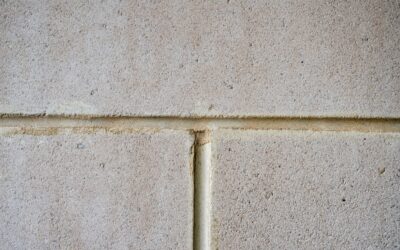
White glitter grout is exactly what it sounds like: standard white grout with fine metallic or mica flecks mixed in, and it’s become one of the most requested specialty finishes I get asked about on glass tile and mosaic jobs. It catches light in a way ordinary grout never will, which makes it a favorite for bathroom accent walls, powder room backsplashes, and shower niches where a little sparkle adds personality without going overboard. It’s not for every room, but used in the right spot it turns a plain tile job into something that photographs well and feels custom.
What’s Actually in Glitter Grout
Most glitter grout starts as a standard premixed or powder white grout base, either sanded or unsanded, with mica powder, glass microbeads, or metallic pigment blended in during manufacturing. Brands like Custom Building Products, Laticrete SpectraLOCK, and several specialty online sellers offer pre-blended glitter formulas in tubs, typically in the 1-quart to 1-gallon range. Some contractors also buy plain white grout and add a separate glitter additive powder, which gives more control over how much sparkle shows up but adds an extra step and a small risk of uneven distribution if it’s not mixed thoroughly.
The glitter itself is almost always non-toxic mica or polyester glitter rated for wet environments, so it won’t degrade or discolor from shower steam or cleaning chemicals over time, provided you buy from a legitimate tile supplier rather than a craft-store glitter mixed in as a DIY shortcut.
Best Places to Use White Glitter Grout
This is a finish accent, not a whole-house grout choice, and matching the application to the material matters:
- Glass tile and glass mosaic backsplashes, where light already bounces around and glitter grout amplifies the effect
- Powder room accent walls, especially behind a vessel sink
- Shower niches and feature strips, 4 to 12 square feet is plenty
- Small mosaic tile in the 1×1 to 2×2 inch range, since narrow joints show more grout line per square foot
I’d avoid it on large-format floor tile. Glitter grout on a 24×24 floor reads busy underfoot, foot traffic dulls the sparkle within a year or two in high-wear zones, and it’s genuinely harder to keep looking clean at that scale. Save it for vertical, low-traffic surfaces where the sparkle stays visible and protected.
Sanded vs. Unsanded and Joint Width
Glass tile and small mosaics almost always call for unsanded grout in joints under 1/8 inch, both to protect the glass edge from scratching and because narrower joints hold the glitter more visibly. If you’re setting a mosaic with 1/16-inch joints, unsanded white glitter grout is close to mandatory since sanded grit at that width can chip glass tile edges during application. For ceramic subway tile with joints at 3/16 inch or wider, sanded glitter grout works fine and actually shows a bit more sparkle per line since there’s more surface area.
Cost Breakdown
A 1-quart tub of premixed white glitter grout costs $25 to $45, enough for roughly 15 to 25 square feet of small-format glass mosaic with narrow joints. A 1-gallon tub runs $70 to $110 and covers 60 to 100 square feet depending on tile size and joint width. That’s noticeably more expensive per square foot than plain white grout, which typically costs $12 to $20 for a comparable quart-sized coverage area, but most glitter grout projects are small accent areas, so the total material cost for a shower niche or powder room backsplash usually lands between $40 and $90.
If you’re hiring a tile setter for a glitter grout accent wall, expect labor at $10 to $18 per square foot given the smaller work area, extra care around glass tile edges, and the slower pace needed for clean joint work. A typical 20-square-foot powder room backsplash with white glitter grout runs $300 to $500 installed, including tile and grout.
Application Notes Specific to Glitter Grout
Working with glitter grout takes a slightly different touch than standard grout:
- Stir premixed glitter grout thoroughly before application — glitter settles toward the bottom of the tub within days of manufacture.
- Apply with a soft rubber float rather than a hard-edge tool, since glass tile scratches easily and glitter grout is most often paired with glass.
- Work smaller sections, about 5 square feet at a time, since glitter grout can set up slightly faster than plain grout in some formulations.
- Clean with a barely damp sponge and light pressure — aggressive wiping pulls glitter particles toward the surface unevenly, leaving some joints sparkly and others dull.
- Cure for 48 hours minimum at 65°F to 75°F before running water in the shower or wiping down the backsplash.
Sealing and Long-Term Care
White glitter grout still needs a penetrating sealer, and in fact it matters more here than on plain grout, because unsealed grout in a shower absorbs soap film and body oils that dull the sparkle from underneath the surface. Seal 48 to 72 hours after grouting with a clear penetrating sealer; expect to spend $10 to $18 for enough sealer to cover a typical shower niche or backsplash. Reapply every 12 to 18 months in a shower environment, since steam and daily water exposure break down sealer faster than a dry backsplash location.
For cleaning, stick to a soft cloth and mild pH-neutral cleaner. Avoid abrasive scrub pads and bleach-based cleaners, both of which can dull the metallic flecks over time or, in rare cases with cheaper glitter additives, cause slight discoloration. Most homeowners report their white glitter grout holding its shimmer for 5 to 8 years in a shower before it starts to look flat, at which point resealing usually brings back most of the original sparkle.
Common Mistakes to Avoid
The biggest mistake I see homeowners make is buying glitter grout online without checking the batch’s glitter density against a photo sample, since online product photos are frequently shot under studio lighting that exaggerates sparkle far beyond what shows up in a bathroom with a single vanity light. Ask the supplier for a cured sample chip before ordering a full tub, especially for a job over 15 square feet, so there are no surprises once it’s on the wall.
Another frequent error is using a colored grout haze remover on white glitter grout too soon after installation. Most haze removers are mildly acidic, and applying one before the full 10-day cure window can dull the metallic flecks near the surface permanently. Stick to plain water and a soft cloth for the first week and a half, then move to a manufacturer-approved haze remover if any residue remains on the glass tile face.
Finally, don’t skip a test mix if you’re combining a plain white grout base with a separate glitter additive rather than buying a premixed formula. Additive ratios that look right in a small test cup can appear far too heavy or too sparse once spread across a full wall, and there’s no way to lighten glitter density once it’s troweled into the joints.
Is White Glitter Grout Worth It?
For the right application, yes. It’s a low-cost way to add a custom, high-end look to a small area like a shower niche or powder room without redoing the whole bathroom. The premium over plain white grout is real, roughly double per square foot in material cost, but because it’s typically used on small accent areas, the total added cost is usually under $100. Skip it for large floors or high-traffic hallways, where the sparkle wears down faster and the busier look doesn’t suit the space. Used correctly, on glass mosaic in a shower niche or a powder room feature wall, white glitter grout is one of the few purely decorative upgrades in tile work that consistently gets compliments from guests.
Prefer to explore on your own?
See how new flooring looks in your actual room in seconds — free, no signup.
Try the free Floor Studio →