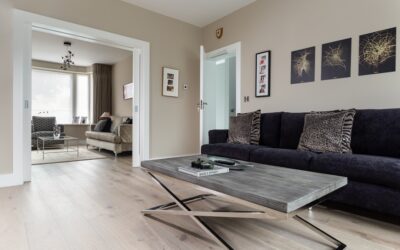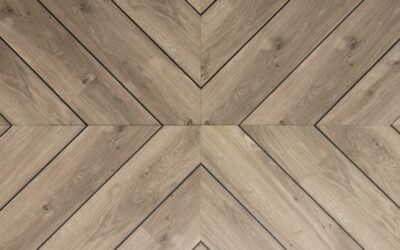
White oak laminate flooring delivers the warm, neutral beauty of real white oak at a fraction of the cost. Thanks to advances in digital printing and embossing technology, today’s white oak laminate is virtually indistinguishable from solid hardwood to the untrained eye, complete with realistic grain patterns, knots, and color variation that replicate the natural character of this beloved wood species.
- Why White Oak Is the Most Popular Laminate Look
- What to Look for in White Oak Laminate
- AC Rating
- Thickness
- Embossed-in-Register (EIR) Texture
- Plank Width and Length
- Color Variation
- Waterproof Core
- White Oak Laminate Flooring Costs
- Budget Tier: $1 to $2.50 Per Square Foot
- Mid-Range Tier: $2.50 to $4.50 Per Square Foot
- Premium Tier: $4.50 to $7 Per Square Foot
- Installation Costs
- White Oak Laminate vs. Real White Oak Hardwood
- Installation Tips for White Oak Laminate
- Acclimate the Product
- Use Quality Underlayment
- Stagger End Joints
- Mix Planks From Multiple Boxes
- Maintain Expansion Gaps
- Caring for White Oak Laminate Flooring
- Final Thoughts
In this guide, we explore what makes white oak laminate so popular, how to choose the most realistic products, and what to expect in terms of cost and performance. For a comprehensive overview of laminate options, visit our laminate flooring guide.
Why White Oak Is the Most Popular Laminate Look
White oak has dominated hardwood flooring trends for the past decade, and that popularity has carried directly into the laminate market. Several factors drive this demand.
Neutral, Versatile Aesthetic
White oak’s natural color ranges from light tan to warm brown with subtle gray undertones. This neutral palette works with virtually any interior design style, from modern farmhouse to Scandinavian minimalist to traditional. Unlike red oak, which has pinkish-red tones that can clash with certain decor, white oak provides a universally appealing backdrop.
On-Trend With Interior Design
White oak is the wood of choice in design magazines, home renovation shows, and social media. Homeowners want this look, and laminate provides an accessible, affordable way to get it. The demand for white oak laminate has driven manufacturers to invest heavily in creating the most realistic reproductions possible.
Timeless Rather Than Trendy
While some flooring looks come and go, white oak has been a popular choice for centuries. Its clean, warm appearance is unlikely to look dated, making it a safe long-term investment for homeowners concerned about resale value and lasting style.
What to Look for in White Oak Laminate
Not all white oak laminate is created equal. Here are the key features that separate premium products from budget options.
AC Rating
The AC (Abrasion Class) rating measures laminate durability on a scale from AC1 to AC5. For residential use, look for AC3 or AC4. AC3 handles moderate residential traffic and is suitable for bedrooms and living rooms. AC4 handles heavy residential and moderate commercial traffic, making it ideal for kitchens, entryways, and busy households. AC5 is commercial-grade and overkill for most homes.
Thickness
Thicker laminate feels more solid underfoot, produces less hollow sound, and handles subfloor imperfections better. Budget laminate is typically 7 to 8 millimeters thick. Mid-range and premium products are 10 to 12 millimeters. For the most realistic white oak look and feel, choose a product that is at least 10 millimeters thick.
Embossed-in-Register (EIR) Texture
The most realistic white oak laminate features embossed-in-register technology, where the surface texture aligns precisely with the printed grain pattern. When you run your hand across the plank, you feel the grain, knots, and pores exactly where you see them. This technology makes a dramatic difference in realism and is the single most important feature to look for in premium laminate.
Plank Width and Length
Real white oak hardwood is commonly installed in wide planks, typically 5 to 7 inches wide. To match this look, choose laminate planks in similar widths. Longer planks also contribute to a more authentic appearance by reducing the number of visible end joints. Premium white oak laminate is available in widths up to 9 inches and lengths up to 72 inches.
Color Variation
Real white oak floors have natural color variation from plank to plank. The best laminate products replicate this by using multiple unique print designs per box, sometimes 8 to 12 different patterns, so that no two planks look identical. Budget products may use only 3 to 4 patterns, creating a repetitive look that gives away the laminate.
Waterproof Core
Traditional laminate uses an HDF (high-density fiberboard) core that swells when exposed to water. Many modern white oak laminate products feature a waterproof or water-resistant core that handles spills and moisture without damage. For kitchens, bathrooms, and mudrooms, a waterproof core is essential. For more on moisture resistance, see our waterproof flooring guide.
White Oak Laminate Flooring Costs
Budget Tier: $1 to $2.50 Per Square Foot
Budget white oak laminate gets the general look right but lacks the fine details that sell the illusion. Expect thinner planks (7 to 8 mm), fewer pattern variations, basic texture, and limited or no water resistance. Suitable for low-traffic bedrooms and guest rooms.
Mid-Range Tier: $2.50 to $4.50 Per Square Foot
Mid-range products offer the best balance of realism and value. You get EIR texture, wider planks, more pattern variation, AC4 ratings, and improved water resistance. This tier is the sweet spot for most homeowners doing a whole-room or whole-house installation.
Premium Tier: $4.50 to $7 Per Square Foot
Premium white oak laminate is nearly indistinguishable from real hardwood. Features include 12mm thickness, EIR texture, extra-wide and long planks, 10+ unique patterns per box, waterproof core, and extended warranties up to lifetime. This tier competes directly with engineered hardwood in appearance and performance.
Installation Costs
Professional installation adds $2 to $4 per square foot for standard floating installation. Total installed costs range from $3 to $11 per square foot depending on the product tier and your market. DIY installation saves the labor cost and is very feasible since laminate click-lock systems are designed for homeowner installation.
White Oak Laminate vs. Real White Oak Hardwood
The comparison between laminate and real hardwood flooring comes down to budget, priorities, and intended use.
Appearance
Premium white oak laminate is remarkably realistic, especially with EIR texture. However, real white oak still has an edge in depth, warmth, and the way it reflects light. Up close and in person, a discerning eye can tell the difference. From a normal viewing distance, premium laminate is convincing.
Durability
Laminate’s wear layer is more scratch-resistant and fade-resistant than polyurethane on hardwood. It handles pets, kids, and heavy traffic without showing wear as quickly. However, laminate cannot be refinished when it eventually does wear through, while hardwood can be sanded and refinished multiple times.
Moisture Resistance
Waterproof laminate handles spills and moisture far better than solid hardwood, which can cup, warp, and stain from water exposure. For kitchens and bathrooms, waterproof laminate is the safer choice.
Cost
White oak laminate costs 30 to 60 percent less than real white oak hardwood installed. For a 500-square-foot room, the savings can amount to $2,000 to $5,000 or more.
Resale Value
Real hardwood adds more resale value than laminate. Buyers perceive hardwood as a premium feature, and it can increase home value by 3 to 5 percent. Laminate does not add the same premium but is still viewed favorably by buyers compared to worn carpet or outdated vinyl.
Installation Tips for White Oak Laminate
White oak laminate installs as a floating floor using a click-lock mechanism. Here are tips for the best results.
Acclimate the Product
Let the sealed boxes sit in the installation room for 48 hours to reach room temperature. This prevents expansion or contraction issues after installation.
Use Quality Underlayment
A good underlayment reduces hollow sound, smooths minor subfloor irregularities, and adds comfort. If your laminate does not have pre-attached padding, invest in a quality foam or felt underlayment. See our detailed guide on underlayment for laminate flooring.
Stagger End Joints
Stagger end joints by at least 12 inches between adjacent rows. This improves structural integrity and creates a more natural, hardwood-like appearance. Avoid H-patterns where end joints line up every other row.
Mix Planks From Multiple Boxes
Pull planks from three or four boxes simultaneously and mix them throughout the installation. This distributes the pattern and color variations evenly across the floor, preventing clusters of similar-looking planks.
Maintain Expansion Gaps
Leave a quarter-inch gap around the entire perimeter, around pipes, and at transitions. Laminate expands and contracts with temperature and humidity changes, and without adequate gaps, the floor will buckle.
Caring for White Oak Laminate Flooring
Laminate is one of the easiest flooring types to maintain. Sweep or vacuum regularly to prevent grit from scratching the surface. Damp mop with a laminate-specific cleaner as needed. Wipe up spills promptly, especially on products without a waterproof core. Avoid steam mops, excessive water, and abrasive cleaners, all of which can damage laminate.
Use felt pads under furniture, doormats at entries, and area rugs in high-traffic zones to protect the surface. With basic care, quality white oak laminate will look great for 15 to 25 years.
Final Thoughts
White oak laminate flooring is the smart choice for homeowners who love the white oak aesthetic but want better scratch resistance, moisture performance, and value than real hardwood. The key is choosing a product with EIR texture, ample pattern variation, and a thickness of at least 10 millimeters. At the premium tier, today’s white oak laminate delivers a look that rivals hardwood at a price that does not.
Explore related options in our guides to laminate flooring, engineered wood flooring, and SPC flooring.
Prefer to explore on your own?
See how new flooring looks in your actual room in seconds — free, no signup.
Try the free Floor Studio →