Searching for a Wirecutter sleeper sofa usually means you want a trustworthy, well-researched approach to buying a sofa bed rather than guessing in a showroom. While we will not put words in any reviewer’s mouth or quote specific picks, the smart shopper’s framework is the same one any thorough reviewer uses: judge a sleeper sofa on the quality of both the sofa and the bed, because most fail at one or the other. This guide gives you that framework so you can evaluate any model with confidence.
Understand the Main Mechanism Types
The biggest decision is how the bed deploys, because it shapes comfort, footprint, and price.
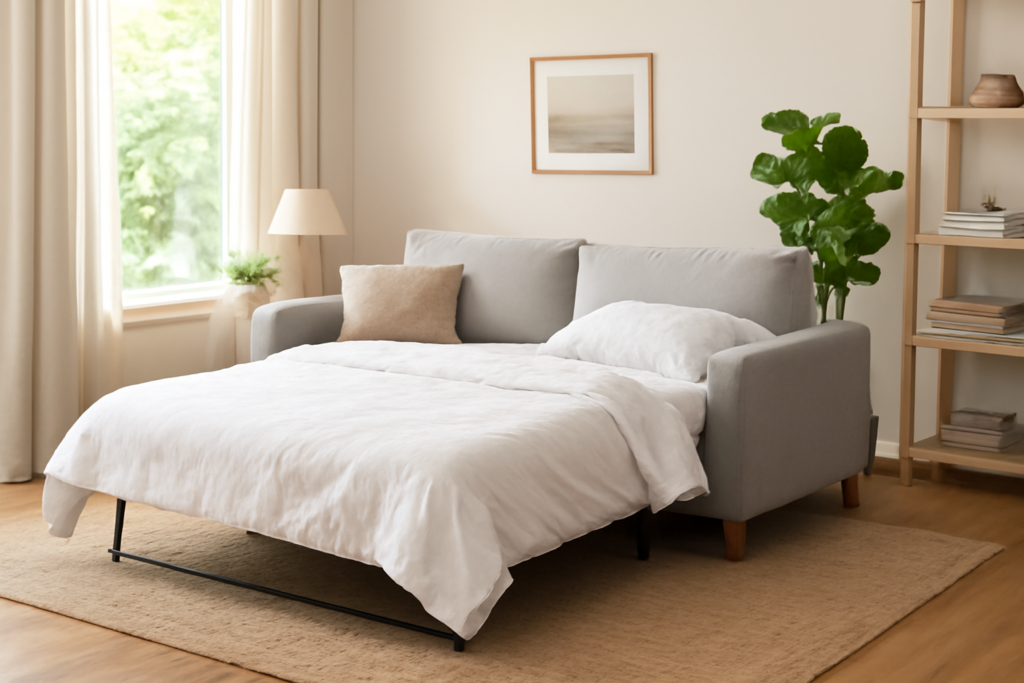
- Pull-out (jackknife) sleepers: A metal frame and thin mattress fold out from under the seat cushions. They are the most common and affordable, but the standard mattress is often thin and the bar can be felt.
- Click-clack or futon styles: The back reclines flat to form a bed. Simple and budget-friendly, but flatter and firmer than a true mattress.
- Daybeds and trundles: Great for narrow rooms; a second mattress rolls out from below.
- Air or hybrid mattress sleepers: Higher-end pull-outs that swap the thin pad for a thicker air-over-foam mattress, closing much of the comfort gap.
The Mattress Is Where Most Sleepers Fail
A sofa can look beautiful and still sleep terribly. The included mattress is the single most important comfort factor, and the cheap, 4- to 5-inch innerspring pads in budget sleepers are the usual culprit behind a rough night. Look for a mattress at least 5 inches thick, ideally memory foam, gel foam, or a hybrid, which avoids the dreaded metal bar pressing into your back.
An easy upgrade trick: even if a sofa comes with a mediocre mattress, you can add a 2- to 3-inch foam topper to dramatically improve comfort for occasional guests. Factor that into your budget rather than overpaying for a marginally better factory mattress.
Pick the Right Size
Sleeper sofas come in the same general categories as mattresses, but the sofa footprint is larger than the bed it produces.
- Twin or chair sleepers: Fit tight spaces and home offices; best for one smaller guest.
- Full sleepers: The most common, comfortable for one adult and snug for two.
- Queen sleepers: The go-to for couples; verify the sofa depth and the deployed bed length fit your room.
- Sectional sleepers: Maximize seating and bed size but demand significant floor space.
Always measure your room, doorways, and stairwells before buying. A queen sleeper is heavy and bulky, and many a sofa has been returned because it would not clear a hallway.
Judge the Build Quality
A sleeper sofa works hard, folding and unfolding repeatedly, so construction matters more than in a standard sofa.
- Frame: Kiln-dried hardwood lasts longer than particleboard or softwood.
- Mechanism: Look for a smooth, sturdy steel folding frame. Test it in person if you can; it should open and close without excessive force or alarming creaks.
- Cushions: High-density foam holds shape; cheaper poly fill flattens quickly.
- Upholstery: Performance fabrics resist stains and wear, a real benefit on a piece that doubles as a bed.
Match the Sofa to Its Job
Be honest about how you will use it. For a guest room that hosts visitors a few nights a year, comfort as a sofa matters more than the mattress, and a mid-range pull-out is plenty. For a studio apartment where someone sleeps on it nightly, prioritize the mattress quality above everything, even if it means a plainer-looking frame. For a multipurpose family room, durability and easy-clean fabric should top your list.
Comfort as an Everyday Sofa
It is easy to fixate on the bed and forget that for 360 days a year, this is a couch. Seat depth, cushion firmness, and back support determine how it feels for daily lounging. Deeper seats suit reclining and curling up, while shallower seats sit more upright and support reading or working. Test the cushions for resilience; you want them to compress and rebound rather than sink and stay flat. A sleeper that sleeps perfectly but is uncomfortable to sit on will frustrate you far more often than the bed ever delights a guest, so weigh everyday comfort heavily.
Fabric and Maintenance
Because a sleeper sofa gets double duty, the upholstery takes more abuse than a standard couch. Performance fabrics, often labeled stain-resistant or with a high double-rub durability rating, hold up best in busy households. Tightly woven synthetics resist pilling and clean easily, while delicate weaves and light colors show wear and stains fast. If pets or kids will use the piece, consider a removable, washable cover or a fabric treated to repel spills. Vacuuming the cushions and crevices regularly, especially around the folding mechanism where crumbs collect, keeps the sofa looking sharp and the mechanism working smoothly for years.
What to Expect to Spend
Sleeper sofas span a wide price range. Budget models start around a few hundred dollars but typically come with thin mattresses and shorter lifespans. Mid-range sleepers with better frames and foam mattresses commonly run $1,000 to $2,000. Premium and designer options with hybrid mattresses and hardwood frames climb well beyond that. Spend the most on the mechanism and mattress, since those determine whether the bed is genuinely usable.
Setup and Placement Tips
Where and how you place a sleeper sofa affects both comfort and longevity. Leave enough clearance in front so the bed can fully extend without hitting a coffee table or wall; measure the deployed footprint, not just the closed sofa. Position it so a guest can get in and out on at least one open side. If the piece will sit against a wall, confirm the mechanism does not require the sofa to be pulled forward each time, which gets tedious. For the smoothest nightly use in a studio, a model that converts with minimal lifting and cushion removal saves real frustration over time.
The Bottom Line
Rather than chasing a single recommended model, evaluate any Wirecutter sleeper sofa contender against the criteria that reviewers actually test: a comfortable, thick mattress, a smooth and durable mechanism, a sturdy hardwood frame, and the right size for your room and your real usage. Add a foam topper if needed, measure your access routes, and buy the sofa that does both jobs well rather than one job perfectly. That approach will serve you better than any single product name.