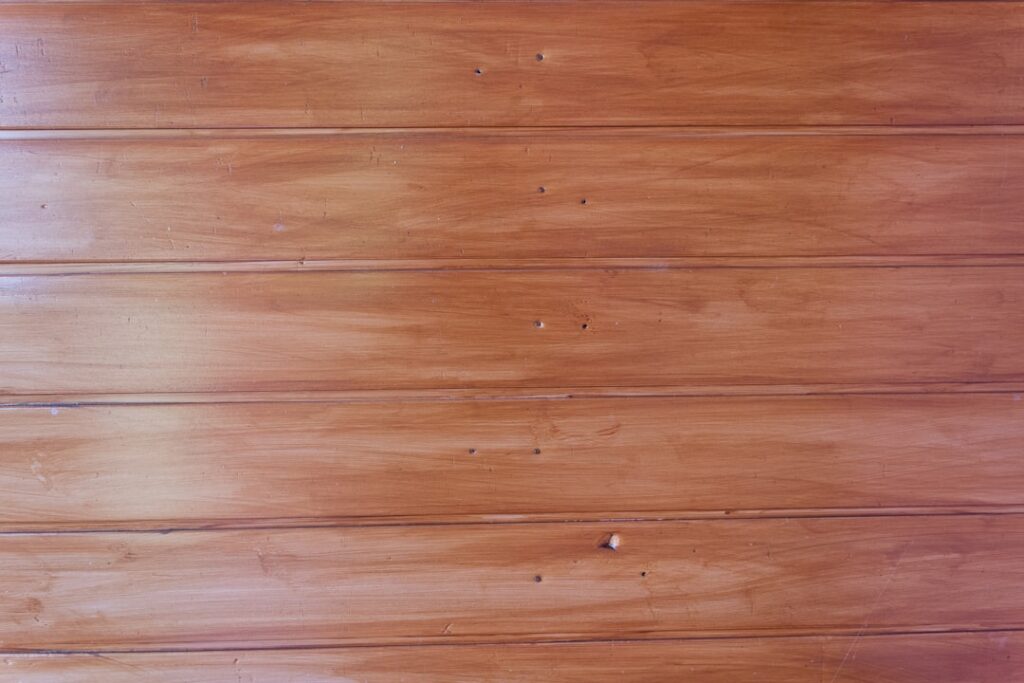
Choosing the right wood floor stain is one of the most impactful decisions in any hardwood floor refinishing project. The stain color transforms the character of a room, influences how dirt and scratches show, and interacts with your wood species in ways that samples on a stick at the hardware store cannot fully predict. A stain that looks perfect on pine may appear entirely different on white oak or maple.
- Oil-Based vs Water-Based Stain
- Top Wood Floor Stain Brands
- Popular Stain Colors for 2026
- Stain and Species Pairings
- Application Techniques
- Number of Coats and Drying Time
- Testing Stain Samples — The Most Important Step
- Common Staining Mistakes to Avoid
- Frequently Asked Questions
- How many coats of stain should I put on hardwood floors?
- Can I stain hardwood floors without sanding?
- Is oil-based or water-based stain better for hardwood floors?
- What is the most popular hardwood floor stain color?
- How long does wood floor stain last?
- Can I change the color of my stained hardwood floors?
This guide covers everything you need to know about wood floor stain — oil-based versus water-based formulas, the top brands professionals trust, application techniques, drying times, and which stain colors pair best with popular hardwood species.
Oil-Based vs Water-Based Stain
The first decision in any wood floor stain project is whether to use an oil-based or water-based formula. Each type has distinct characteristics that affect application, appearance, drying time, and durability.
| Feature | Oil-Based Stain | Water-Based Stain |
|---|---|---|
| Penetration depth | Deep — saturates wood fibers | Moderate — sits closer to surface |
| Color richness | Warm, amber undertone | True-to-color, no amber shift |
| Drying time | 8 – 24 hours | 2 – 4 hours |
| VOC content | High (requires ventilation) | Low (minimal odor) |
| Working time | 15 – 20 minutes | 3 – 5 minutes |
| Cleanup | Mineral spirits | Soap and water |
| Best for | Rich, traditional colors | Gray, white, and cool-toned colors |
Oil-based stain has been the flooring industry standard for decades. It penetrates deeply into wood fibers, producing rich, saturated color with a warm amber undertone. The extended working time (15 to 20 minutes before the stain starts to set) makes it more forgiving for beginners and allows for more even application across large floor areas.
Water-based stain has improved dramatically in recent years and is now the preferred choice for contemporary color trends like gray, white-washed, and cool-toned floors. Water-based stains dry faster, contain fewer volatile organic compounds (VOCs), and do not add the amber warmth that oil-based stains inherently produce. However, the short working time (3 to 5 minutes) demands fast, efficient application — making it more challenging for DIYers.
Top Wood Floor Stain Brands
Professional floor refinishers consistently rely on four brands for wood floor stain projects. Each has strengths that suit different applications.
Minwax
Minwax is the most widely available wood floor stain brand, sold at every major home improvement store. Their oil-based penetrating stain line offers over 30 pre-mixed colors and is the default choice for DIY projects. Minwax stains are affordable ($12 to $18 per quart), easy to apply, and produce reliable results on most species. The limitations are a narrower color range compared to professional brands and slightly longer drying times.
DuraSeal
DuraSeal is the professional-grade workhorse brand. Used by the majority of hardwood floor contractors in North America, DuraSeal quick coat stain offers deep penetration, consistent color, and a manageable working time. The color library is extensive, and pros routinely mix DuraSeal colors to create custom blends. Price runs $25 to $35 per quart at flooring supply stores.
Bona
Bona DriFast stain is a water-based option that has gained significant market share among professionals. It dries in two to three hours, allows same-day finishing, and produces clean, consistent color without the amber shift of oil-based products. Bona’s stain is particularly popular for achieving gray, white, and Scandinavian-inspired floor colors that are difficult to produce with oil-based stains. It pairs seamlessly with Bona’s water-based finish system.
Rubio Monocoat
Rubio Monocoat is a unique single-coat oil finish that combines stain and protection in one application. Rather than staining the floor and then applying a separate polyurethane topcoat, Rubio bonds with the top layer of wood fibers to create a matte, natural-looking finish. The result is a floor that looks and feels like raw wood with color. Rubio is popular in European-style, modern, and minimalist interiors. It costs more per square foot ($50 to $70 per liter, covering approximately 500 square feet) but eliminates the need for a separate finish product.
Popular Stain Colors for 2026
The most requested hardwood floor stain colors in 2026 reflect a shift toward natural and medium tones after years of very dark and very light extremes.
| Color Family | Popular Shades | Best Stain Type | Trending Direction |
|---|---|---|---|
| Natural / clear | Natural, Golden Oak | Oil or water | Strong and rising |
| Medium brown | Provincial, Special Walnut | Oil-based | Very strong |
| Dark brown | Dark Walnut, Jacobean | Oil-based | Stable |
| Ebony / black | Ebony, True Black | Oil-based | Declining slightly |
| Gray | Classic Gray, Drift | Water-based | Stable |
| White / pickled | White Wash, Simply White | Water-based | Niche but steady |
| Warm honey | Early American, Ipswich Pine | Oil-based | Rising |
Stain and Species Pairings
How a wood floor stain looks depends as much on the wood species as on the stain color itself. Grain pattern, natural color, porosity, and tannin content all influence the final result.
White Oak
White oak is the most versatile species for staining. Its tight grain accepts stain evenly, and its natural tannins react beautifully with both oil-based and water-based products. White oak takes dark stains (Ebony, Jacobean) without blotching, looks stunning in medium browns (Special Walnut, Provincial), and is the ideal species for gray and weathered-look stains. White oak can also be fumed with ammonia for a unique, naturally aged appearance.
Red Oak
Red oak has a strong, prominent grain pattern with pinkish-red undertones. Medium and dark stains work well on red oak because they minimize the pink cast. Avoid very light stains on red oak — they emphasize the pink undertone and the pronounced grain pattern, which many homeowners find unappealing. DuraSeal Special Walnut and Provincial are the most popular choices for red oak.
Maple
Maple is one of the most challenging species to stain because its tight, closed grain resists penetration. Stain tends to sit on the surface unevenly, creating a blotchy, mottled appearance — especially with dark colors. If you must stain maple, use a wood conditioner first to promote even absorption, or choose Rubio Monocoat, which bonds to the top fiber layer rather than penetrating. Many professionals recommend leaving maple natural or using a very light amber tone.
Hickory
Hickory has dramatic natural color variation — creamy sapwood mixed with dark brown heartwood — that is amplified by staining. Medium stains help unify the color variation to some degree. Very dark stains can also work by pushing both the light and dark boards toward the same endpoint. Light stains on hickory tend to look uneven because the sapwood and heartwood absorb stain at different rates.
Pine
Pine is soft, porous, and prone to blotching. Always apply a pre-stain wood conditioner before staining pine floors. Even with conditioner, expect some variation — it is part of pine’s character. Warm, medium tones (Early American, Golden Pecan) work best on pine. Avoid very dark stains, which exaggerate blotching and make the soft grain look unnatural.
Application Techniques
Proper application is essential for an even, professional-looking wood floor stain result. The three common application methods each have advantages.
Rag / T-Shirt Method
Pour stain onto the floor in a manageable area (roughly 3 by 3 feet) and spread it with a folded cotton rag or old T-shirt using circular motions. This method gives the most control and works well for beginners. Wipe excess stain in the direction of the grain after the recommended absorption time. The rag method is labor-intensive on large floors but produces the most even results for inexperienced applicators.
Brush Method
Use a 4 to 6-inch natural-bristle brush (for oil-based) or synthetic brush (for water-based) to apply stain along the grain. The brush method works well for edges and small areas but can leave visible brush marks on large open sections if you are not careful to maintain a wet edge.
Lambswool Applicator
Professional floor refinishers typically use a lambswool applicator pad on a long pole to apply stain efficiently across large areas. Pour a ribbon of stain across the width of the floor, then spread it evenly with the applicator, working in the direction of the grain. The lambswool method covers ground quickly and produces even results in experienced hands.
Regardless of method, the critical rule is the same: wipe off all excess stain before it dries on the surface. Stain that is not wiped will not dry properly, remains tacky, and prevents the topcoat from adhering correctly.
Number of Coats and Drying Time
One coat of wood floor stain is standard for most projects. Applying a single even coat produces the color shown on the manufacturer’s sample chip. A second coat deepens the color by 15 to 25 percent but does not double the intensity — the first coat partially seals the wood, reducing the second coat’s ability to penetrate.
| Stain Type | Dry to Touch | Ready for Topcoat | Full Cure |
|---|---|---|---|
| Oil-based (Minwax, DuraSeal) | 4 – 6 hours | 24 hours | 72 hours |
| Water-based (Bona DriFast) | 1 – 2 hours | 2 – 3 hours | 24 – 48 hours |
| Rubio Monocoat | 24 – 36 hours | N/A (built-in finish) | 5 – 7 days |
Temperature and humidity significantly affect drying times. Ideal conditions are 60 to 80 degrees Fahrenheit with 40 to 60 percent relative humidity. High humidity and low temperatures extend drying times; forced airflow from fans (not blowing directly on the floor) can help in humid conditions.
Testing Stain Samples — The Most Important Step
Never commit to a wood floor stain color based on a store sample chip, a website photo, or what looked good in someone else’s home. Wood species, grain pattern, sanding grit sequence, and lighting conditions all affect the final appearance. Testing on your actual floor is essential.
How to test stain samples properly:
- Sand a section of your floor through the full sanding sequence (40, 60, 80, and 100 grit or your planned sequence) in an inconspicuous area — inside a closet is ideal.
- Divide the sanded test area into sections with painter’s tape and label each section.
- Apply a different stain color to each section using the same technique you plan to use for the full floor.
- Let the samples dry completely (overnight for oil-based stain).
- Apply your planned topcoat (oil-based or water-based polyurethane) over one sample. Oil-based polyurethane adds amber warmth; water-based polyurethane is clear and will not shift the stain color.
- Evaluate the samples in both natural daylight and artificial light. Colors look dramatically different under warm incandescent bulbs versus cool LED or fluorescent lighting.
For a complete walkthrough of the refinishing process, see our hardwood floor refinishing guide.
Common Staining Mistakes to Avoid
- Insufficient sanding: Stain cannot penetrate through old finish residue. The floor must be sanded to bare wood with a consistent final grit (typically 100 or 120). Skipping grits or leaving swirl marks from the sander creates visible stain imperfections.
- Not vacuuming between sanding and staining: Dust left on the floor mixes with stain and creates a muddy, uneven finish. Vacuum thoroughly and tack-wipe the floor before applying stain.
- Letting stain pool or dry without wiping: Excess stain that is not wiped off creates dark spots, remains tacky, and prevents topcoat adhesion. Always wipe thoroughly.
- Inconsistent application pressure: Pressing harder in some areas drives more stain into the wood, creating visible dark and light zones. Maintain consistent, even pressure across the entire floor.
- Staining in sections that dry before blending: Work in manageable sections and always maintain a wet edge. Overlapping dry stain creates visible lap marks.
- Skipping the sample test: This is the single most common regret in floor refinishing. Always test samples on your actual floor before committing.
Frequently Asked Questions
How many coats of stain should I put on hardwood floors?
One coat is standard and recommended. A second coat deepens the color slightly (15 to 25 percent) but increases the risk of uneven absorption and adhesion issues with the topcoat. If you want a darker look, choose a darker stain color rather than applying multiple coats.
Can I stain hardwood floors without sanding?
Only if the existing finish has been completely removed by chemical stripping or the floor has never been finished. Wood floor stain cannot penetrate through polyurethane, wax, or any existing finish. Sanding to bare wood is required for proper stain absorption. See our refinishing guide for the full sanding process.
Is oil-based or water-based stain better for hardwood floors?
Oil-based stain is better for warm, rich tones and is more forgiving to apply. Water-based stain is better for gray, white, and cool-toned colors and has lower VOCs. For traditional medium to dark browns on oak flooring, most professionals prefer oil-based. For contemporary gray or Scandinavian looks, water-based is the clear choice.
What is the most popular hardwood floor stain color?
In 2026, medium brown tones — particularly DuraSeal Special Walnut, Minwax Provincial, and custom blends of the two — are the most popular hardwood floor stain colors. These warm, natural-looking tones work with virtually any decor style.
How long does wood floor stain last?
The stain itself is permanent — it penetrates into the wood fibers and does not wear away. What wears is the protective topcoat (polyurethane) applied over the stain. With proper topcoat maintenance, a stained hardwood floor can last 20 to 30 years or more before needing to be resanded and restained.
Can I change the color of my stained hardwood floors?
Yes, but you must sand the floor down to bare wood first to remove the existing stain. You cannot apply a lighter stain over a darker one without sanding. Going darker over an existing lighter stain is possible in some cases but still requires sanding for best results.
Prefer to explore on your own?
See how new flooring looks in your actual room in seconds — free, no signup.
Try the free Floor Studio →