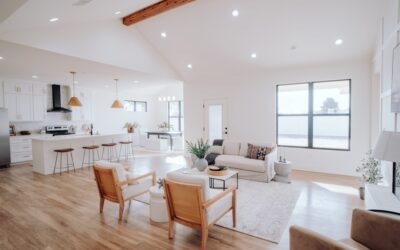
Shopping for wood flooring Kansas City homes can showcase means making a choice that has to survive one of the more demanding climates in the country. Greater Kansas City swings from humid, sticky summers to cold, dry winters, and that constant change in moisture is exactly what wood flooring reacts to most. Choose well and you will have warm, beautiful floors that boost your home’s value for decades. Choose poorly and you may fight gaps in winter and cupping in summer. The good news is that with the right product and a quality installer, real wood floors thrive here.
This guide covers the pros and cons of wood flooring in the local climate, the difference between solid and engineered, the best species, typical costs, and how to hire the right pro.
Wood Flooring and the Kansas City Climate
The single biggest factor in this region is humidity swing. Summer humidity makes wood absorb moisture and expand, while dry winter air, often made drier by central heating, makes it contract. That seasonal movement is normal, but it is more pronounced here than in milder climates, so controlling indoor humidity and choosing a stable product are essential.
Aim to keep indoor relative humidity in a stable range year-round, often around 35 to 55 percent, using a humidifier in winter and air conditioning or a dehumidifier in summer. Stable conditions are the secret to wood floors that stay flat and tight.
Solid vs Engineered Wood
This is the most important technical decision, and the climate tips the scales.
- Solid hardwood: A single piece of wood that can be sanded and refinished many times. Beautiful and long-lasting, but it expands and contracts the most, making it best for stable, above-grade rooms.
- Engineered hardwood: A real wood veneer over a stable plywood core. It resists humidity-driven movement far better, which makes it a smart choice for basements, over concrete, and in any space prone to moisture swings.
For many Kansas City homes, especially those with basements or slab foundations, engineered wood is the more forgiving option, while solid hardwood remains popular for main-floor living areas.
Best Wood Species for the Region
Harder, more dimensionally stable species hold up best to both traffic and humidity changes. Domestic hardwoods are widely available and well suited to the climate.
- Red and white oak: The regional standard. Hard, affordable, widely available, and it takes stain beautifully.
- Hickory: Extremely hard and rustic-looking, great for active households and pets.
- Maple: Hard and light-toned with a clean, modern look.
- Walnut: Rich, dark, and softer, ideal for lower-traffic formal spaces.
What Wood Flooring Costs in Kansas City
Pricing depends on species, grade, and whether you choose solid or engineered. As a general range, installed wood flooring in the area typically falls between $6 and $14 per square foot, including materials and labor. Standard oak sits at the lower end, while exotic species, wide planks, and intricate patterns push toward the top.
Always get an itemized quote. Subfloor preparation, removal of old flooring, and finishing can add meaningfully to the total, and a quote that omits them can be misleading. Refinishing existing wood floors, where possible, is often far cheaper than full replacement.
Installation Considerations
Proper installation in this climate starts with acclimation. Quality installers let the wood sit in your home for several days so it adjusts to the indoor humidity before it goes down. Skipping this step is a leading cause of gaps and buckling later.
The subfloor must be clean, dry, and flat, and a moisture barrier is important over concrete or in basements. A reputable installer will test subfloor moisture levels rather than assuming, which protects your investment from problems that show up months down the road.
Choosing a Local Installer
The quality of the crew matters as much as the wood itself. Look for installers with strong local reviews and experience handling the area’s humidity challenges, since they know how to acclimate and lay floors that will not move excessively. Confirm they are insured and ask whether they offer a workmanship warranty.
Collect at least two or three written estimates for the same product so you can compare fairly. Ask about acclimation, moisture testing, and subfloor prep in the conversation; an installer who talks knowledgeably about these is far more likely to deliver lasting results.
Finishes and Plank Widths
Beyond species, the finish and plank width shape both the look and the practicality of your floor. Prefinished flooring arrives with a factory-applied, baked-on finish that is extremely durable and lets you walk on the floor immediately after installation. Site-finished flooring is sanded and sealed after it is laid, which produces a smoother, seamless surface but adds dust, fumes, and days of drying time to the project.
Plank width is another consideration that interacts with the local climate. Wider planks, those over five inches, look stunning and modern but show seasonal gaps more dramatically because each board expands and contracts more. In Kansas City’s swinging humidity, narrower strips or engineered wide planks tend to stay tighter and more stable through the seasons, so factor that into your choice if visible gaps would bother you.
Caring for Wood Floors Year-Round
Once installed, a little routine care keeps wood floors looking new for decades. Sweep or vacuum regularly to remove the grit that scratches the finish, and wipe up spills promptly, since standing water is wood’s enemy. Use only cleaners formulated for hardwood, and avoid wet mopping, which can drive moisture into the seams.
The seasonal humidity swing here means you should expect some natural movement. Floors may tighten up and feel perfect in humid summer, then show thin gaps in the dry depths of winter. Running a humidifier during heating season minimizes those winter gaps, while air conditioning and a dehumidifier keep summer expansion in check. Placing felt pads under furniture legs and area rugs in high-traffic zones rounds out a simple maintenance routine that protects your investment.
Is Wood Flooring Right for Your Home
For Kansas City homeowners willing to manage indoor humidity, real wood flooring is a rewarding, value-adding choice. Engineered wood offers extra peace of mind in moisture-prone spaces, while solid oak remains a timeless pick for living areas. Match the product to the room, control your indoor climate, hire a careful installer, and you will enjoy floors that look stunning and stand up to Kansas weather for many years to come.
Prefer to explore on your own?
See how new flooring looks in your actual room in seconds — free, no signup.
Try the free Floor Studio →