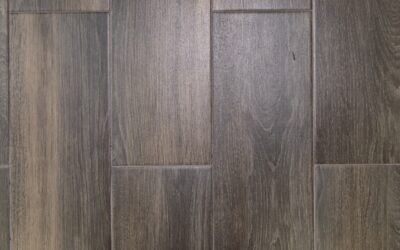
If you have been shopping for premium floors and stumbled on the phrase 20 mm thick vinyl plank flooring, here is the honest truth up front: a solid 20mm vinyl plank essentially does not exist on the mainstream market. Almost every luxury vinyl plank (LVP) sold today measures between 4mm and 8mm at the core, so a 20mm figure usually points to something else entirely. Understanding where that number comes from will save you money and stop you from buying the wrong product. This guide breaks down the real specs, corrects the common mix-ups, and shows you what thickness actually protects your investment.
Where the “20mm” Number Actually Comes From
Shoppers rarely invent numbers out of thin air. When someone searches for a 20mm vinyl plank, they are almost always looking at one of a few things that got scrambled along the way. Sorting these out is the first step to a smart purchase.
- Confusing laminate with vinyl. Thick laminate planks do exist in the 12mm range, and stacked with an attached pad the total system can approach 14mm. Some listings round up loosely. If you truly want a very thick floating board, laminate—not vinyl—is where the higher millimeters live.
- Total installed system height. A 6mm rigid-core plank sitting on a 2mm attached pad, over a leveling underlayment and a subfloor, can add up in a spec sheet. Marketing sometimes lists the tallest number to sound impressive.
- Wear layer mixed with plank thickness. Wear layers are measured in mils, not millimeters. A 20-mil wear layer is excellent and common—but 20 mil is roughly 0.5mm, nowhere near 20mm. This is the single most frequent mix-up.
- Metric-to-imperial rounding errors. Overseas listings and auto-translated product pages occasionally slot the wrong figure into the “thickness” field.
So when you see 20 mm thick vinyl plank flooring advertised, pause and ask the seller to break the number down. Nine times out of ten it dissolves into a normal 5mm–8mm plank plus a pad, or a wear-layer spec quoted in the wrong unit.
The Thickness Specs That Actually Matter
Vinyl plank has three separate measurements, and buyers who understand all three never get fooled by a single inflated figure. Here is what each one means and the range you should target.
Plank (Core) Thickness
This is the overall board height, typically 4mm to 8mm for rigid-core SPC and WPC products. A 4mm–5mm plank is fine for budget rooms with smooth subfloors. A 6mm–8mm plank feels more substantial underfoot, hides minor subfloor imperfections better, and locks together more securely. Thickness above 8mm is rare in true vinyl and adds cost without much practical benefit.
Wear Layer (Measured in Mils)
The wear layer is the clear top coat that resists scratches, scuffs, and stains. It is the durability spec that matters most, and it is measured in mils (thousandths of an inch), not millimeters.
- 6–8 mil: Light residential, low-traffic bedrooms and closets.
- 12 mil: Standard homes, moderate foot traffic.
- 20 mil: Busy households, pets, kids—an excellent sweet spot.
- 28–30 mil: Light commercial and heavy-use residential.
If a listing brags about being “20,” confirm whether they mean 20 mil (great wear layer) or the impossible 20mm plank. The unit changes everything.
Attached Underlayment
Many rigid planks ship with a 1mm–2mm foam or cork pad already bonded to the back. This improves sound absorption and comfort, and it is often the hidden source of a padded “total height” number.
Is Thicker Vinyl Always Better?
Not necessarily. Beyond a certain point, extra core thickness delivers diminishing returns while the price keeps climbing. A 6mm SPC plank with a 20-mil wear layer will outperform a thicker plank that skimps on the wear layer. Durability lives in the top coat and the density of the core, not in raw height.
Where thickness genuinely helps is with subfloor forgiveness. Rigid cores of 6mm or more span small dips and telegraph fewer imperfections than thin 2mm glue-down sheets. If your concrete slab or plywood subfloor is uneven, a stiffer, thicker plank is worth the upgrade. If your subfloor is flat and smooth, you are paying for height you will never feel.
What You Should Actually Buy Instead
Forget chasing an imaginary 20mm plank. Match the specs to your room and you will get a floor that lasts 20 to 25 years.
- Choose a rigid SPC core, 5mm–8mm. This gives you dent resistance and dimensional stability across temperature swings.
- Prioritize a 20-mil wear layer for any home with pets, kids, or heavy traffic. Drop to 12 mil only in quiet, low-use rooms to save money.
- Look for an attached 1mm–1.5mm cork or IXPE pad to cut hollow sound and add underfoot comfort.
- Confirm the finish has a scratch-resistant coating such as an aluminum-oxide or ceramic-bead top layer.
That combination—not a mythical thickness number—is what separates a floor that still looks new after a decade from one that scuffs in the first year.
Cost: What You Will Really Pay
Because true vinyl plank tops out around 8mm, pricing follows the wear layer and core quality far more than plank height. Here are realistic 2024–2025 U.S. ranges for materials only:
- Entry-level LVP (4mm–5mm, 6–12 mil): $1.50–$2.50 per sq ft.
- Mid-grade SPC (6mm, 12–20 mil, attached pad): $2.50–$4.00 per sq ft.
- Premium SPC/WPC (7mm–8mm, 20–28 mil): $4.00–$6.50 per sq ft.
- Professional installation: $2.00–$5.00 per sq ft depending on subfloor prep.
For a 500 sq ft living room, budget roughly $2,750 to $5,750 installed for a quality mid-to-premium floating floor. If a salesperson tries to charge a premium for “20mm vinyl,” you are almost certainly being upsold on a padded number or a mislabeled laminate. Ask for the core thickness in millimeters and the wear layer in mils, in writing.
If You Truly Want Maximum Thickness
Some homeowners genuinely want the thickest, most substantial floating board they can get—often for a very uneven subfloor or a plush, high-end feel. In that case, look at these alternatives rather than forcing a nonexistent vinyl spec:
- Thick laminate (12mm): Feels solid underfoot and handles imperfect subfloors, though it is less water-resistant than vinyl. Runs $2.00–$4.00 per sq ft.
- Engineered hardwood (12mm–18mm total): Real wood veneer over a plywood core, refinishable once or twice, $5.00–$12.00 per sq ft.
- Rigid SPC with a premium 2mm cork pad: Gets you close to a substantial system height while keeping full waterproof performance.
Each of these serves the goal behind the search better than a product that simply is not made.
Installation and Timeline Notes
Rigid-core floating vinyl is one of the most DIY-friendly floors available. A confident homeowner can install 300 sq ft in a single weekend. Let planks acclimate in the room for 48 hours at 65°F–85°F before starting, keep a 1/4-inch expansion gap around walls, and stagger end joints at least 6 inches. Because true planks stay in the 4mm–8mm range, standard transition strips and door undercuts work without special ordering—another quiet advantage of buying real-world specs instead of chasing 20mm.
The Bottom Line
The search for 20 mm thick vinyl plank flooring almost always ends in a helpful correction rather than a purchase. Real luxury vinyl plank lives between 4mm and 8mm, and the number that decides how long your floor lasts is the wear layer, measured in mils. Buy a 6mm–8mm rigid SPC core with a 20-mil wear layer and an attached pad, verify every spec in writing, and you will get a beautiful, waterproof, durable floor—without paying for a thickness that no reputable manufacturer actually sells.
Prefer to explore on your own?
See how new flooring looks in your actual room in seconds — free, no signup.
Try the free Floor Studio →