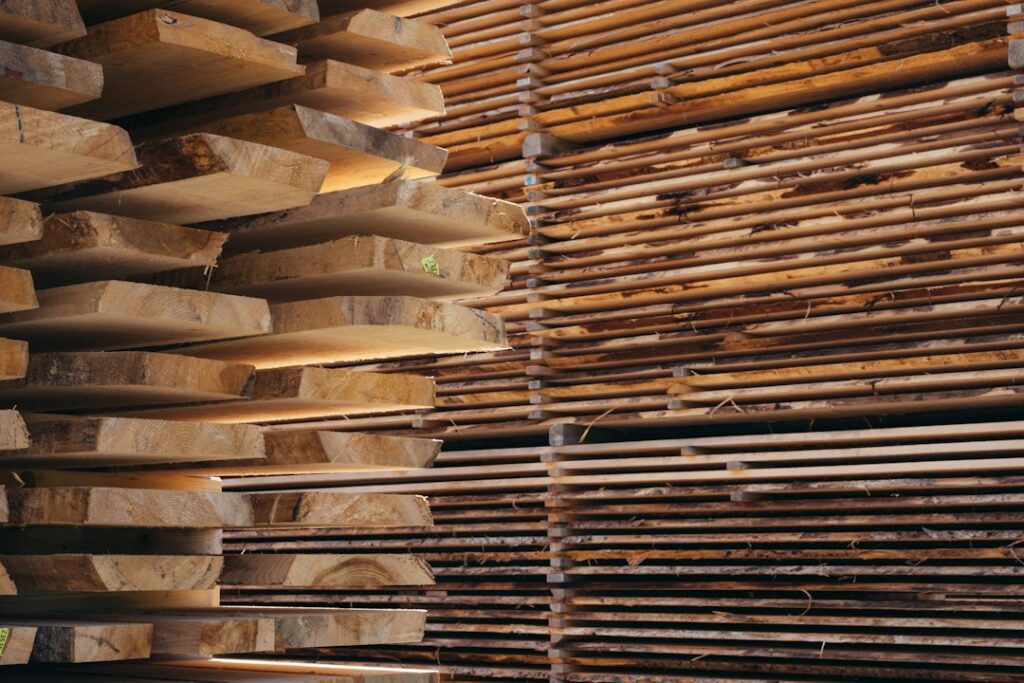
Lumber prices move more than almost any other building material, and a deck quote from last spring can be off by a surprising amount today. The 2×6 pressure treated lumber price at most U.S. yards and home centers currently falls in a broad band of roughly $1.00 to $2.25 per linear foot, which works out to about $8 to $14 for an 8-foot board and $25 to $45 for a 20-footer. Treatment level, grade, length and your region are what push a given board to the low or high end of that range.
Longer boards nearly always cost more per foot than short ones, ground-contact treatment adds a premium over above-ground treatment, and select or #1 grade costs more than #2. Knowing those three levers lets you price a project accurately before you visit the yard.
- 2×6 Pressure Treated Lumber Price by Length
- How to Do the Price-per-Linear-Foot Math
- Above-Ground vs Ground-Contact Treatment
- Lumber Grade and How It Affects Price
- Sample Project Costs
- What Drives Regional Price Differences
- How to Buy Smart and Save
- Troubleshooting Common Buying Problems
- Safety When Cutting Treated Lumber
- When to Call a Pro
- Frequently Asked Questions
2×6 Pressure Treated Lumber Price by Length
The table gives typical national ranges for common Southern yellow pine and similar species with standard #2 grade. Local prices can run higher in the Northeast, West Coast and remote areas, and lower near large mill regions.
| Length | Above-ground (UC3B) | Ground contact (UC4A) | Approx. per linear foot |
|---|---|---|---|
| 8 ft | $8 to $13 | $9 to $15 | $1.00 to $1.85 |
| 10 ft | $10 to $17 | $11 to $19 | $1.00 to $1.90 |
| 12 ft | $12 to $21 | $14 to $24 | $1.00 to $2.00 |
| 14 ft | $15 to $26 | $17 to $29 | $1.05 to $2.05 |
| 16 ft | $17 to $31 | $19 to $34 | $1.05 to $2.10 |
| 20 ft | $25 to $42 | $28 to $46 | $1.25 to $2.30 |
Treat these as planning numbers, not quotes. Commodity lumber can swing 10 to 30 percent within a single year, so check two local suppliers the week you buy.
How to Do the Price-per-Linear-Foot Math
Comparing boards of different lengths is easiest when you convert every price to a cost per linear foot. Divide the board price by its length in feet.
- An 8 ft board at $10.50 costs $10.50 / 8 = about $1.31 per foot.
- A 16 ft board at $24.00 costs $24.00 / 16 = $1.50 per foot.
- A 20 ft board at $36.00 costs $36.00 / 20 = $1.80 per foot.
In that example, the 20 ft board costs about 37 percent more per foot than the 8 ft board. Mills charge a premium for long, straight stock because fewer logs yield it. So if your design allows two 10 ft joists spliced over a beam instead of one 20 ft joist, you may save money, but only if the splice is structurally correct for your span and approved by your local building department.
Board Feet vs Linear Feet
Lumberyards sometimes quote in board feet (BF). A nominal 2×6 contains 1 board foot per linear foot (2 x 6 x 12 / 144 = 1). That makes the conversion simple: for 2×6 stock, price per board foot equals price per linear foot. For 2×8 or 2×12 boards, the math changes, so convert before comparing.
Above-Ground vs Ground-Contact Treatment
The single biggest grade decision is the treatment level, not the lumber grade stamp. Pressure-treated wood is labeled by use category under industry standards.
- Above-ground (often UC3B): for deck boards, railings and parts that stay off the soil, dry quickly and can be replaced easily.
- Ground contact (often UC4A): for posts, joists and beams that are within 6 inches of the ground, hard to replace, or in wet, poorly drained spots. Many builders now use ground-contact lumber for all deck framing.
Ground-contact 2×6 usually costs about 5 to 20 percent more than the above-ground version of the same length. That premium is worth paying for framing. Rotted joists are an expensive repair, while a cheaper board saves only a few dollars per piece.
Lumber Grade and How It Affects Price
The grade stamp tells you about knots, wane and strength. Most home centers stock #2 as the default.
| Grade | Appearance | Typical use | Price vs #2 |
|---|---|---|---|
| Select / premium | Few knots, clean faces | Visible decking, railings | About 15 to 40% more |
| #1 | Small tight knots | Exposed framing, longer spans | About 10 to 25% more |
| #2 | Larger knots, some wane | General deck framing and decking | Baseline |
| #3 / utility | Large knots, splits | Blocking, temporary work | About 10 to 25% less |
Span tables are written by grade and species, so a #2 board may need tighter joist spacing than a #1 board for the same span. Always size joists from the span tables your local code adopts, not from price alone.
Sample Project Costs
To see how the per-board price adds up, here are rough lumber-only estimates for typical uses of the 2×6 pressure treated lumber price ranges in the main table.
- 12 x 12 ft deck surface with 2×6 boards: about 26 boards at 12 ft, roughly $310 to $550.
- Raised garden bed, 4 x 8 ft, three boards high: about six 8 ft boards (cut for ends), roughly $50 to $90.
- Small shed floor frame, 8 x 10 ft: about eight 8 ft joists plus rim boards, roughly $110 to $200.
- Fence rails for 100 ft of fence: about 26 boards at 8 ft for two rails, roughly $210 to $340.
Add 10 to 15 percent for waste, warped boards and cutting errors, plus fasteners and connectors rated for treated lumber (hot-dip galvanized or stainless).
What Drives Regional Price Differences
Two stores 300 miles apart can quote noticeably different numbers for the same board. Freight is the biggest reason. Southern yellow pine is milled and treated mostly in the Southeast, so buyers in Georgia or Alabama often see the low end of the range, while buyers in New England, the Mountain West or Pacific Northwest pay more for trucking or for treated Douglas fir and hem-fir, which are treated with a different process (incising) and can cost more per board.
Local demand also matters. After hurricanes, floods or a big building boom, treated lumber can spike for weeks in the affected region. Small independent yards sometimes charge more per board but sell straighter, better-sorted stock, which can lower your real cost once waste is counted. When comparing a 2×6 pressure treated lumber price between suppliers, compare the same species, grade, treatment and length, and ask whether delivery is included.
Green vs Brown Treated Boards
Some treated lumber is green and some is brown. The brown color comes from a pigment added during treatment so the wood looks more like cedar; it does not mean stronger protection. Brown-tinted boards may cost slightly more. The use category on the end tag is what tells you how the board is protected.
How to Buy Smart and Save
- Price the whole list, not individual boards. Many lumberyards discount contractor-size orders and deliver for free above a threshold.
- Pick boards by hand if you can. Sight down each board for crown, twist and splits. A cheap board you have to throw away is not cheap.
- Check the end tag. Make sure the use category matches the job; above-ground stock used for posts is a common and costly mistake.
- Plan lengths to reduce waste. Laying out a 12 ft deck with 12 ft boards wastes far less than cutting 16s.
- Buy kiln-dried after treatment (KDAT) only where it matters. It costs more but shrinks less, which helps for visible decking and railings.
- Watch seasonal swings. Prices often rise in spring building season and soften in late fall and winter.
Troubleshooting Common Buying Problems
Boards are soaking wet. Freshly treated wood can be heavy with moisture. It will shrink as it dries, so leave small gaps for decking accordingly, or let boards dry stacked with spacers for a few weeks before tight-fitting work.
Big price gap between stores. Compare grade, species and treatment on the tag. A low price sometimes means #3 grade or above-ground treatment.
Boards warp after purchase. Store them flat, stickered (with spacers between layers) and covered from direct sun. Install within a few days if possible.
Corroded fasteners. Modern copper-based treatments are corrosive to plain steel. Use fasteners and hangers labeled for treated wood.
Safety When Cutting Treated Lumber
Wear a dust mask or respirator, safety glasses and gloves when cutting pressure-treated wood. Cut outdoors, sweep up sawdust, and wash your hands before eating. Never burn treated scraps in a fireplace, fire pit or wood stove; dispose of them according to local waste rules.
When to Call a Pro
For a simple garden bed or fence repair, buying your own lumber is easy. For a raised deck, stairs, a structure attached to the house or anything that needs a permit, hire a licensed contractor or have plans reviewed by your building department. They will confirm joist sizes, spans, footings and ledger attachment. Contractors also tend to get better lumber pricing, which can offset part of the labor cost.
Frequently Asked Questions
How much is a 2x6x8 pressure treated board?
Most U.S. stores sell an 8 ft 2×6 treated board for roughly $8 to $15, depending on treatment level, grade and region.
Why do longer 2×6 boards cost more per foot?
Long, straight boards require larger logs and have higher rejection rates at the mill, so suppliers charge a premium per linear foot for 16 to 20 ft lengths.
Is ground-contact lumber worth the extra cost?
Yes for posts, joists, beams and anything near soil or hard to replace. The premium is usually small compared with the cost of replacing rotted framing.
How many board feet are in a 2×6?
A nominal 2×6 has 1 board foot per linear foot, so a 12 ft 2×6 contains 12 board feet.
When is the cheapest time to buy treated lumber?
Prices often ease in late fall and winter when building demand drops, but commodity swings can override seasonal patterns.