The cost of a 3 ton AC unit surprises a lot of homeowners because the equipment is only part of the bill. A 3-ton condenser alone might be a few thousand dollars, but the installed price usually lands somewhere between roughly $4,500 and $9,000 for a standard efficiency system, and higher once you add a new coil, a furnace or ductwork repairs. The spread comes from efficiency rating, what gets replaced alongside the outdoor unit, and local labor rates.
Three tons (36,000 BTU per hour) is the most common size for homes of roughly 1,500 to 2,000 sq ft in moderate climates, so it is the size most people are pricing. The numbers here are general ranges to help you read quotes, not firm prices. Actual costs vary by region, brand tier, permit fees and how much work your existing system needs.
Cost of a 3 Ton AC Unit: Typical Price Ranges
Here is how the cost of a 3 ton AC unit usually breaks down, depending on what is included:
| Scope | Typical range |
|---|---|
| Condenser only (equipment) | About $1,800 to $4,500 |
| Condenser and matched coil, installed | About $4,500 to $9,000 |
| Full system: AC, coil and gas furnace | About $8,000 to $15,000 |
| High-efficiency variable-speed system | About $10,000 to $18,000 or more |
Unit-only prices you see online can be misleading. Most manufacturers limit or void warranty coverage when equipment is not installed by a licensed contractor, and refrigerant handling requires EPA certification. In practice, nearly every homeowner buys the system installed, so the installed range is the number to budget around.
What Drives the Price
Efficiency Rating (SEER2)
Air conditioners are rated by SEER2, the updated seasonal efficiency metric. Federal minimums vary by region: northern states have a lower minimum, while southeastern and southwestern states require a higher one. Budget tiers sit near the regional minimum and use single-stage compressors. Mid-tier systems in the middle-teens SEER2 range often use two-stage compressors that run quieter and dehumidify better. Top-tier variable-speed systems cost the most but can cut cooling energy use noticeably in hot climates.
As a rough guide, stepping up one tier adds about $1,000 to $3,000 to the installed price. Whether that pays back depends on how many hours your AC runs. In a long, hot southern summer, efficiency pays off faster than in a mild northern one.
Matched Coil and Air Handler
The outdoor condenser works with an indoor evaporator coil, which sits on top of your furnace or inside an air handler. Replacing only the condenser and keeping an old coil can hurt efficiency, cause refrigerant mismatches with older systems, and may limit warranty coverage. Most installers recommend a matched coil, which typically adds $1,000 to $2,500 to the job.
3 Ton AC and Furnace Together
If your furnace is 15 years or older, pricing a 3 ton AC and furnace as a package often makes sense. You save on a second service call, the blower is matched to the new coil, and both units carry fresh warranties. An 80 percent efficiency gas furnace adds a moderate amount to the job; a 95 percent or higher condensing furnace costs more and may need new venting and a condensate drain. In an all-electric home, a matched air handler replaces the furnace.
Labor and Location
Labor usually accounts for 30 to 50 percent of an installed quote. Expect higher numbers in large metro areas and during peak summer demand, when installers are booked out. Tight attics, crawlspaces and rooftop installs also add time.
Add-Ons Licensed Installers Often Quote
A good quote lists every line item. Common add-ons include:
- Permit and inspection: often a modest fee, but required in most jurisdictions for equipment replacement.
- New refrigerant line set: older lines may be undersized or contaminated. Replacement can add several hundred to over $1,000 depending on length and access.
- Electrical upgrades: a new disconnect, whip, breaker or circuit if the old ones are undersized or worn. These must be done by a licensed electrician or a licensed HVAC contractor, depending on local rules.
- Concrete or composite pad: a new pad for the outdoor unit, typically a smaller line item.
- Thermostat: a basic programmable model is inexpensive; a communicating or smart thermostat costs more.
- Ductwork repairs: sealing leaky joints or replacing damaged runs can range from a few hundred dollars to several thousand.
- Old equipment removal and refrigerant recovery: usually bundled but worth confirming.
Is 3 Tons the Right Size?
Square footage alone is a rough guide. The rule of thumb of about one ton per 500 to 600 sq ft shifts with climate, insulation, window area, ceiling height and how many people live in the home. An oversized unit short-cycles, leaves the house clammy and wears out faster. An undersized one runs constantly on the hottest days.
Ask any installer to perform a Manual J load calculation instead of simply matching your old unit’s size. Homes that have added insulation, new windows or air sealing since the last replacement often need less capacity than they used to. Homes that have added a bonus room or sunroom may need more. If the calculation comes out closer to 3.5 or 4 tons, a 4 ton HVAC system will cost more, typically several hundred to a couple of thousand dollars above the 3-ton price for similar efficiency.
How to Compare Quotes
- Get at least three written quotes from licensed, insured HVAC contractors.
- Check that each quote uses the same capacity and SEER2 tier so you are comparing like with like.
- Confirm the coil is included and matched to the condenser.
- Look for a load calculation, permit, line set details and electrical work spelled out.
- Compare warranties. Parts coverage is usually 10 years with registration; labor warranties vary widely by installer.
- Ask about rebates. Utilities and federal programs sometimes offer incentives for higher-efficiency equipment or heat pumps.
A quote far below the others often skips the coil, the permit or proper refrigerant handling. A quote far above may include extras you do not need, such as a full duct replacement. Ask what drives the difference.
Operating Costs After Installation
The purchase price is only the start. A 3-ton system in a hot southern climate can run well over 1,500 hours a season, while the same unit in a northern state may run a third of that. Higher SEER2 ratings matter most where run hours are long. As a rough example, moving from a minimum-efficiency unit to a mid-tier one might trim cooling energy by 15 to 25 percent, which in a high-use home can add up to a meaningful yearly saving.
Maintenance is the other ongoing cost. An annual tune-up from a licensed technician usually costs about $100 to $250, or less on a maintenance plan. During that visit, the tech checks refrigerant charge, electrical connections, capacitors and contactors, and cleans the coils. Skipping tune-ups rarely saves money, because small problems like a weak capacitor or a clogged condensate drain tend to show up on the hottest day of the year, when after-hours service costs the most.
Finally, factor in filters. A basic 1-inch filter is inexpensive but needs changing every 1 to 3 months. A 4- or 5-inch media filter cabinet costs more up front but lasts 6 to 12 months and improves airflow. Your installer can add one during the replacement for a modest extra charge.
Repair or Replace?
Replacing a system is a big spend, so it helps to know when a repair is the smarter move. A common guideline multiplies the repair cost by the age of the unit. If the result is above roughly $5,000, replacement usually makes more sense. Systems over 12 to 15 years old, units that use phased-out refrigerant, and systems needing a compressor or coil are strong replacement candidates.
Smaller failures, such as a bad capacitor, contactor or fan motor, are routine repairs that a technician can handle for a fraction of replacement cost. Do not let a quick repair call turn into a replacement sale without a second opinion.
When to Call a Licensed Professional
Central air installation is not a DIY project. Refrigerant work requires EPA certification, and most areas require a permit and inspection for equipment replacement. The outdoor unit runs on a 240-volt circuit, and wiring, disconnects and breakers should only be handled by a licensed electrician or licensed HVAC contractor.
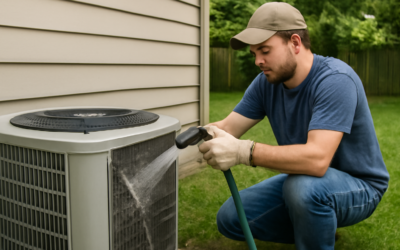
Homeowners can safely handle the basics: changing filters, keeping 2 feet of clearance around the condenser, and rinsing debris off the outdoor coil fins with a garden hose after switching off power at the outdoor disconnect and the breaker. Anything involving panels, refrigerant, capacitors or electrical connections belongs to a licensed technician.
Frequently Asked Questions
How much does a 3 ton AC unit cost installed?
A standard efficiency condenser with a matched coil typically runs about $4,500 to $9,000 installed, with higher-efficiency and full-system packages costing more.
How many square feet does a 3 ton AC unit cool?
Roughly 1,500 to 2,000 sq ft in many climates, but insulation, windows and local heat change the answer. A Manual J load calculation gives the real number.
Should I replace my furnace at the same time?
If the furnace is over 15 years old or the blower does not match the new coil, replacing both together often saves on labor and improves efficiency.
Can I buy a 3 ton condenser and install it myself?
No. Refrigerant handling needs EPA certification, most areas require a permit, and many manufacturers limit warranties unless a licensed contractor installs the system.
How long does a new central AC system last?
With annual maintenance and clean filters, most central air systems last about 15 to 20 years, less in very hot or coastal climates.