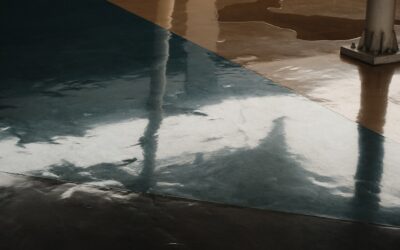
A bathroom floor that looks like a tropical reef under three inches of clear epoxy is the kind of decision that makes contractors quote double, and homeowners book six months out. 3D flooring tiles have moved from showroom novelty to a genuine retail category, with epoxy systems, photo-printed ceramic tiles, and self-adhesive vinyl planks all competing for the same Pinterest-driven buyer. Pricing in 2026 ranges from $1.49 per square foot for the cheapest vinyl decals to over $35 per square foot installed for a true poured epoxy job with a custom underlying image.
Part of our Tile & Grout guide — explore the full guide →
The Three Real Categories
The market splits cleanly into three product types that share the same marketing label. Poured epoxy systems use a high-resolution image printed on vinyl or canvas, set on a primed substrate, then sealed under 80 to 120 mils of clear two-part epoxy. Photo-printed ceramic and porcelain tiles deliver the depth illusion through perspective imagery glazed onto a flat 24 x 24 inch tile, installed like any standard tile job. Vinyl and luxury vinyl plank versions print a 3D effect on the wear layer of a normal click-lock or peel-and-stick plank.
Each category solves a different problem at a very different price. Treat them as three separate purchase decisions instead of one category, because the cost gap between the cheapest and the most expensive is roughly 25x.
Pros That Justify the Hype
- Genuine wow factor in small spaces — half baths, kids’ rooms, restaurant entries, and showroom floors
- Poured epoxy creates a seamless surface with no grout lines, easier to mop and harder for water to penetrate
- Custom images possible on the epoxy route — beach photos, business logos, gradient color washes
- Ceramic 3D tiles match the price of standard porcelain at $3.99 to $8.99 per square foot
- Vinyl 3D planks install DIY in a weekend with normal click-lock skills
- Epoxy floors hit 90 Shore D hardness, matching commercial polished concrete on durability
Cons That Buyers Discover Later
The illusion only works from certain angles. A photo of an underwater scene printed on a 24 x 24 inch tile looks 3D when you stand at the doorway, but loses depth when you walk over it and the perspective flattens. Designers use the effect strategically — at entryways, behind transparent shower panels, or in small powder rooms where the viewing angle stays consistent.
Epoxy systems also turn the floor into a slip hazard when wet unless you add aluminum oxide grit during the topcoat pour. Skip the additive and a wet bathroom floor becomes genuinely dangerous, especially for older homeowners. Reputable installers default to a grit upgrade at $1.50 per square foot extra, which is worth every cent.
Price Tiers and What They Buy
- Vinyl peel-and-stick 3D tiles: $1.49 to $2.99 per square foot — fast refresh for renters, light-duty kids’ rooms, two- to four-year lifespan
- Luxury vinyl plank with 3D print: $3.49 to $5.99 per square foot — full residential durability with 12 to 22 mil wear layers
- Ceramic photo-printed 3D tile: $3.99 to $8.99 per square foot product, plus $5 to $9 per square foot installation
- Premium porcelain 3D tile (Italian or Spanish): $9.99 to $18.99 per square foot product, plus thinset and labor
- Poured epoxy 3D floor system: $25 to $45 per square foot installed, including substrate prep, image, and 80 to 120 mil clear topcoat
The poured epoxy route is closer to an art commission than a tile job. Expect a 5 to 10 business day install timeline, with two days of cure between the image set and the topcoat pour, and another full week before furniture goes back.
Install Realities for Each Type
Epoxy floors need a moisture vapor emission rate under 3 lbs per 1,000 sq ft per 24 hours, measured with calcium chloride testing. Pour over a damp slab and the topcoat hazes within months or bubbles within years. Diamond-grind the slab to a CSP 2 or CSP 3 profile for adhesion, prime with a 100% solids epoxy primer, then bond the image layer using the same epoxy as a wet-on-wet adhesive. The topcoat goes on at 80 to 120 mils per pour, deaerated with a spike roller to release trapped bubbles.
Ceramic 3D tiles install with standard thinset and 1/16 inch grout joints. The trick is keeping the pattern oriented correctly during layout — number the boxes and dry-lay the entire room before any mortar comes out of the bag, because rotated tiles break the illusion.
Where the Illusion Holds Up Best
Powder rooms and half baths are the highest-ROI spaces for 3D flooring tiles. The room is small enough for the perspective to work, the budget for 25 to 35 square feet stays manageable even at premium epoxy pricing, and guests notice immediately. Beach-themed scenes work for coastal homes, geometric patterns suit modern condos, and forest or river prints add depth to interior rooms with no windows.
Kitchens and great rooms are the worst spaces. Sightlines change as you walk through the room, the image flattens from above the counters, and the visual gets old faster than a more neutral floor. A 200 square foot 3D kitchen also costs $5,000 to $9,000 installed in epoxy and rarely returns the investment at resale.
Durability and Resale Reality
Properly poured 3D epoxy floors last 15 to 20 years in residential use with annual deep cleaning and a clear topcoat refresh every 7 to 10 years. The image itself never fades because it sits below 80 to 120 mils of UV-stabilized clear epoxy. Photo-printed ceramic and porcelain tiles share the durability of any tile floor — 30 plus years if the grout is maintained and the substrate stays stable.
Resale is the soft spot. Highly specific themes — sharks, dragons, sports logos — can shrink the buyer pool when you sell. Neutral effects like geometric patterns, ocean ripples, or stone perspectives age better and don’t scare off appraisers. Run any 3D flooring tile decision past a local real estate agent before committing on a primary residence floor.
Who Should Buy and Who Should Skip
3D flooring tiles earn the buy for homeowners wanting genuine visual impact in a small, well-bounded space — powder rooms, foyers, kids’ bedrooms, home bars, and small commercial entries. The vinyl tier delivers a fast and reversible refresh, the ceramic tier covers permanent installs at standard tile pricing, and the epoxy tier creates something genuinely custom for buyers willing to spend $25 plus per square foot. Skip the category for large open-plan rooms, primary residence kitchens, or any space where you’ll be walking over the image from above and breaking the depth illusion within six months of install.
Prefer to explore on your own?
See how new flooring looks in your actual room in seconds — free, no signup.
Try the free Floor Studio →