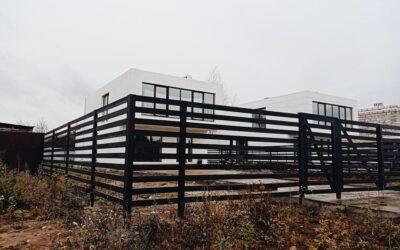
A 4 foot vinyl fence hits a sweet spot for many yards: tall enough to define a boundary and keep kids and pets contained, yet low enough to stay friendly and open. Made from PVC, it resists rot, fading, and pests while needing almost none of the painting or staining a wood fence demands. For homeowners who want a clean look with minimal upkeep, it is one of the most popular fence heights on the market.
Part of our Decks & Outdoor guide — explore the full guide →
This guide covers the styles you can choose, what a 4 foot vinyl fence typically costs, how installation works, and the maintenance and code details worth knowing before you build.
Why Choose a 4 Foot Height
Four feet is a versatile height that works in front yards, along property lines, and around gardens and pool-adjacent areas where you want a barrier without blocking the view. It is tall enough to discourage most dogs from jumping and to mark a clear edge, but short enough to keep sight lines open and your home feeling welcoming rather than walled off.
Many neighborhoods and homeowners associations also cap front-yard fence height around 3 to 4 feet, which makes the 4 foot option a safe choice for the front of a property. For backyards where privacy is the goal, taller 6 foot panels are more common, but a 4 foot fence is ideal anywhere you want definition without a fortress feel.
Popular Vinyl Fence Styles
Vinyl comes in several styles, and a 4 foot height suits most of them well. Your pick should match both your goal, whether that is containment, decoration, or partial privacy, and the look of your home. Common styles include:
- Picket: classic spaced pickets that give a charming, open look, perfect for front yards and gardens.
- Privacy: solid panels with no gaps; at 4 feet these offer screening for seating areas without fully closing in a yard.
- Semi-privacy: closely spaced boards with small gaps that balance airflow, light, and screening.
- Ranch rail (post and rail): two or three horizontal rails for a rustic, open boundary, often used on larger lots.
- Lattice-top: a solid lower section with decorative lattice on top for added style.
Most styles come in white, tan, and gray, with some manufacturers offering wood-grain textures. Color is molded throughout the material, so it will not chip or peel like paint.
What a 4 Foot Vinyl Fence Costs
Vinyl fencing usually costs more upfront than wood but less over time because you avoid repainting and rot repairs. Pricing depends heavily on style, panel quality, terrain, and your region, so the figures below are general estimates rather than firm quotes.
As a rough guide, installed 4 foot vinyl fencing often falls in the low-to-mid range per linear foot, with picket and ranch-rail styles tending to cost less than solid privacy panels. A typical residential project total varies widely based on the length of fence, the number of gates, and how level your yard is. Sloped or rocky ground, longer runs, and extra gates all push costs higher.
When you gather quotes, ask each contractor to break out materials, labor, gates, and post setting so you can compare them fairly. Treat any single number you see online as a starting point, not a promise.
Installation Basics
Vinyl fence systems are built around posts, rails, and panels or pickets that lock together. Posts are the foundation, so getting them plumb, evenly spaced, and securely set is the most important part of the job. The general process looks like this:
- Call 811 (or your local utility locator) before digging to mark buried gas, water, and electrical lines.
- Confirm your property lines and check local setback and permit requirements.
- Lay out the fence line with string and stakes, then mark post locations at the spacing your panels require.
- Dig post holes, typically about one-third the post height deep plus a few inches of gravel for drainage.
- Set posts in concrete, checking each for plumb, and let the concrete cure fully.
- Attach rails and panels or pickets, then hang any gates and install post caps.
Many homeowners with solid DIY skills install vinyl fencing themselves, but the work is physical and precision matters. If your yard slopes, you have long runs, or you are unsure about property lines, hiring a licensed fence contractor is well worth the cost and saves you from expensive do-overs.
Durability and Maintenance
One of the biggest draws of vinyl is how little it asks of you. Quality PVC fencing resists rot, insects, and moisture, and it never needs staining or painting. Most of the time, keeping it looking new means nothing more than the occasional rinse.
To care for a 4 foot vinyl fence:
- Hose it down a couple of times a year, and scrub stubborn spots with mild soap and water.
- Use a soft brush rather than abrasive pads, which can scratch the smooth surface.
- Check posts and gate hardware annually, tightening any loose screws or hinges.
- Avoid leaning heavy equipment or trampolines against panels, since vinyl can crack under hard impact in very cold weather.
With this light routine, a well-installed vinyl fence can last for decades, which is part of why its higher upfront cost often pays off over the long run.
Codes, Permits, and Property Lines
Before you buy a single panel, check the rules that govern fences where you live. Many municipalities require a permit for any fence, and zoning codes often set maximum heights for front, side, and rear yards. A 4 foot fence usually complies with front-yard limits, but you should verify the specifics for your area.
If you belong to a homeowners association, review its guidelines for approved styles, colors, and heights, since violations can mean fines or forced removal. It is also wise to confirm your exact property line, ideally with a survey, before building so you do not place the fence on a neighbor’s land. A quick conversation with adjacent neighbors can prevent disputes down the road.
Final Thoughts
A 4 foot vinyl fence delivers an appealing mix of clean looks, durability, and near-zero maintenance at a height that works for front yards, gardens, and pet containment. Choose a style that fits your home, get itemized quotes, follow utility-locating and permit steps carefully, and the result will be a boundary that looks sharp and holds up for many years with little more than an occasional rinse.