Four hundred square feet is the classic synthetic turf project — a 20 x 20 backyard patch, a side-yard dog run, or a putting-green-sized front lawn — and it sits right at the size where DIY starts saving serious money. Total 400 sq ft artificial grass cost runs $2,400 to $7,200 professionally installed, with most homeowners landing between $3,600 and $5,600, or $1,300 to $2,200 doing the labor themselves. That is a wide range, and the spread comes down to turf grade, site prep, and who swings the shovel. Here is the full line-item math so you can build your own number instead of guessing from someone else’s average.
The Quick Answer by Budget Tier
- Budget install (economy turf, simple flat site): $2,400 to $3,600 professional, or $1,200 to $1,600 DIY.
- Mid-range install (quality 60-80 oz turf, standard prep): $3,600 to $5,600 professional — where most projects land — or $1,600 to $2,000 DIY.
- Premium install (top-tier or pet-system turf, drainage upgrades, curves and borders): $5,600 to $8,000+ professional.
Per square foot, that is the familiar industry range of $6 to $20 installed, with $9 to $14 as the realistic middle for a straightforward 400 sq ft residential job.
Line-Item Breakdown: Where the Money Goes
The Turf Itself: $800 to $2,200
Material is priced per square foot, and you will buy about 440 sq ft to cover 400 after cutting waste (plan 10 percent overage, more if the shape is curvy or the area is wider than the 15-foot roll standard). Economy turf at $2 to $3 per sq ft (50-60 oz face weight, shorter warranties) totals $880 to $1,320. Mid-grade at $3 to $4.50 — the sweet spot with realistic dual-tone blades, 70-80 oz face weight, and 10 to 15 year warranties — runs $1,320 to $1,980. Premium and specialty pet or sports systems at $4.50 to $6+ push past $2,000 for the material alone.
Base Materials: $250 to $500
A 400 sq ft area needs roughly 3.5 to 5 cubic yards of base rock for a compacted 3 to 4 inch lift — class II road base or crushed miscellaneous base at $30 to $50 per yard delivered, so $150 to $250 — plus a $30 to $60 top layer of decomposed granite for screeding, landscape fabric ($40 to $70 if used), and 5-inch galvanized nails or staples ($30 to $50).
Infill: $80 to $300
Standard silica sand infill at 1 to 2 pounds per sq ft means 400 to 800 pounds; plain sand costs $10 to $15 per 50 lb bag ($80 to $240), while zeolite or antimicrobial coated infill for pet areas roughly doubles that.
Labor: $1,200 to $3,200 (professional route)
Crews price residential turf labor at $3 to $8 per sq ft depending on region and access. That covers demo of existing sod (sometimes billed separately at $0.50 to $1.50 per sq ft), excavation, hauling spoils, base compaction with a plate compactor, cutting and seaming, perimeter fastening, and infill grooming. On a 400 sq ft job, labor is routinely the largest single line — which is exactly why DIY saves 50 to 60 percent of the total.
Site Factors That Move the Number
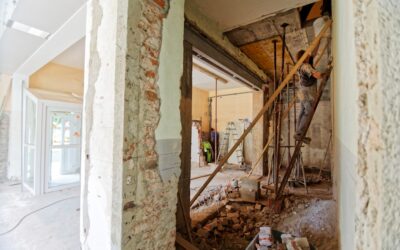
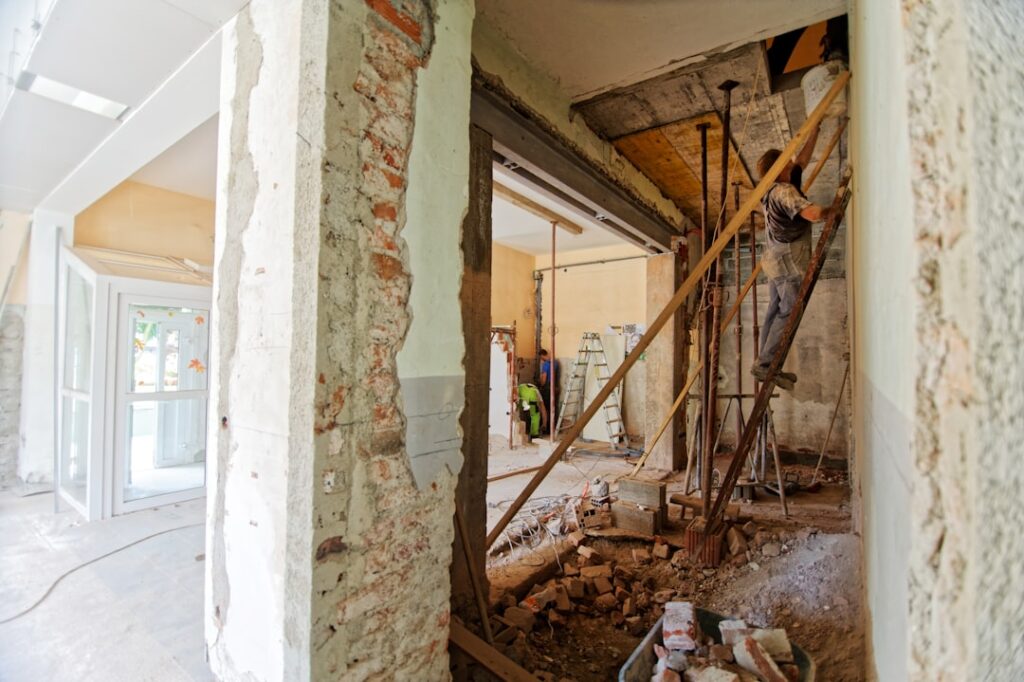
Two identical rolls of turf can produce projects $2,000 apart because of what is under and around them. Expect adders for: sod removal and disposal on an existing lawn ($200 to $600 at this size); poor access, where every yard of base rock travels by wheelbarrow through a 36-inch gate; drainage problems requiring a French drain or catch basin ($500 to $1,500); concrete or paver borders and mow strips ($8 to $15 per linear foot); tree root grinding; and pet-system upgrades — permeable backing turf, zeolite infill, deodorizing base layer — which typically add $1.50 to $3 per sq ft, or $600 to $1,200 on this footprint. Conversely, replacing an existing gravel or decomposed granite area that is already compacted and graded can shave $500-plus off prep.
DIY Math for a 400 Sq Ft Yard
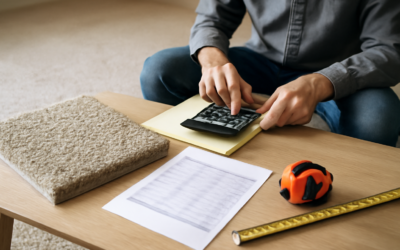
A realistic owner-installed budget looks like this: mid-grade turf $1,450 (440 sq ft at $3.30), base rock and DG $280, fabric and fasteners $90, sand infill $120, plate compactor rental $90 per day, sod cutter rental $95, turf tools (seam tape, glue, carpet kicker rental) $80 — call it $2,100 to $2,200 all-in, or about $5.40 per finished square foot. The labor you are replacing is two hard weekends: one for demo, grading, and base compaction, one for laying, seaming, fastening, and infill. The skills that separate a pro-looking result from an obvious DIY job are screeding the base dead-flat, hiding seams with S-cuts along blade rows, and stretching the turf drum-tight before nailing. If the site needs drainage work or has complex curves, that is the point where paying a crew starts earning its margin.
Long-Term Cost Comparison
Against natural sod, the upfront gap is stark — 400 sq ft of sod installs for $400 to $1,200 — but the operating costs reverse the picture. A 400 sq ft irrigated lawn in a dry-summer climate consumes roughly 4,000 to 6,000 gallons per month in peak season, plus mowing, fertilizer, and reseeding; annualized upkeep commonly totals $300 to $700 even for a small patch. Quality turf’s upkeep is an occasional rinse and brushing, near zero dollars. At a $4,500 installed cost, breakeven versus a maintained lawn typically arrives in year 6 to 10, faster where water is expensive, and the turf should serve 12 to 15 years before UV wear and matting call for replacement. Many water districts in Arizona, Nevada, and California have offered turf-conversion rebates of $1 to $3 per square foot — a potential $400 to $1,200 back on this exact project size, so check your local utility before you buy.
Sample Quotes: What Real Bids Look Like
Three representative professional bids for the same 20 x 20 backyard illustrate how the numbers assemble. A budget bid at $2,900 typically reads: economy 55 oz turf, 2-inch base, sand infill, sod removal included, one-year workmanship warranty — functional, but expect visible wear lanes by year three. A mid-market bid at $4,800 upgrades to 75 oz dual-tone turf, a 3.5-inch compacted base with DG cap, 1.5 lb of infill per foot, nailer-board perimeter, and a 15-year manufacturer plus 3-year labor warranty; this is the quote profile most homeowners should target. A premium pet-system bid at $6,900 adds permeable-backing turf, zeolite infill, a drainage pad, and a French drain tie-in. When bids arrive further apart than these bands suggest, the difference is almost always hiding in base depth or turf face weight — which is why line-item quotes are non-negotiable. Ask each bidder one clarifying question: “How many inches of compacted base, and what is the turf’s face weight in ounces?” Vague answers to either are your cue to keep shopping.
Where to Save and Where Not To
Timing helps too: installers in most markets discount 10 to 15 percent in late fall and winter when the schedule thins, and turf suppliers clear inventory ahead of spring product refreshes. A January contract for a March install is routinely the cheapest path to the same yard.
Save by doing your own demolition and haul-away even if a crew does the rest (installers will usually credit it), by choosing a 13 or 15 foot roll width that matches your dimensions to cut waste, and by buying turf from a local supplier’s overstock rack, where discontinued mid-grade product often sells for $1.50 to $2 per sq ft. Do not save on base depth or compaction — a thin, spongy base telegraphs every footprint and is the number-one cause of wavy, prematurely worn turf — and do not skip infill, which protects the backing stitches from UV and keeps blades upright. Get three quotes with line-item pricing, and make every bidder state turf face weight, base depth, and infill type in writing. On a 400 sq ft project, those three specs are the difference between a lawn that looks good for two years and one that looks good for fifteen.