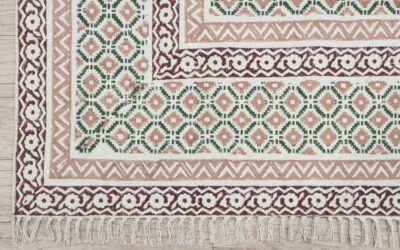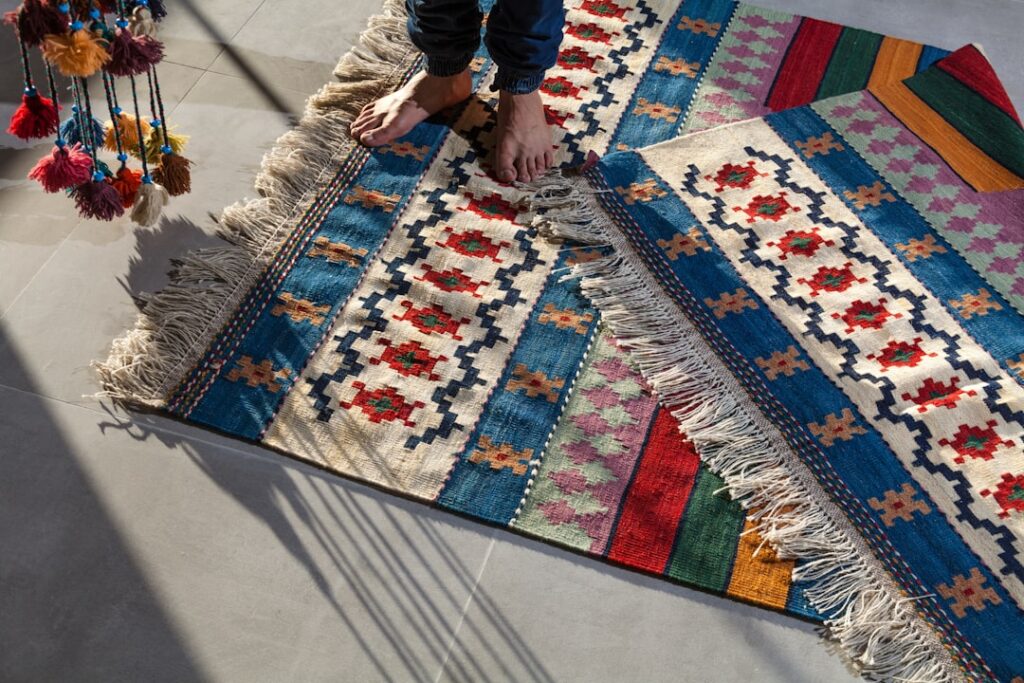
Rug sizing trips up more homeowners than almost any other decorating decision, and the in-between sizes get overlooked most. A 4×7 rug is one of those quietly useful dimensions, larger than a standard accent rug but smaller than a room-defining 5×8, making it ideal for entryways, narrow spaces, and the foot of a bed. If you have ever struggled to fit a rug into an awkward spot, this size may be the answer.
At roughly four feet by seven feet, this rug anchors a small area without overwhelming it. It is a workhorse size that solves real layout problems, and knowing where it shines helps you buy with confidence.
Where a 4×7 Rug Works Best
The dimensions make this size particularly versatile in transitional and compact spaces.
- Entryways and foyers: Long enough to define the space and catch tracked-in dirt.
- Kitchens: Fits in front of a sink or island without crowding the work zone.
- Foot of the bed: Adds softness and color across the end of a queen or full bed.
- Reading nooks and small seating areas: Grounds a chair and side table.
- Hallways and narrow rooms: Bridges the gap between a runner and a full area rug.
Anywhere a 5×8 feels too big and a 3×5 feels too small, a 4×7 often hits the sweet spot.
Understanding the Size
Four by seven feet gives you about 28 square feet of coverage. That is enough to sit under a small furniture grouping or to run the length of a modest entry, while staying light enough to move, clean, and reposition easily.
Keep in mind that listed rug dimensions are approximate and can vary slightly by manufacturer, especially with handmade pieces. Always measure your space and leave a border of bare floor, usually a foot or more, around the rug so it frames the area rather than reaching wall to wall.
Material Choices
The material affects how a rug feels, wears, and cleans. Match it to the room’s traffic and your maintenance tolerance.
- Wool: Soft, durable, and naturally stain-resistant; a premium all-around choice.
- Polypropylene and synthetics: Affordable, stain-resistant, and great for high-traffic and entry areas.
- Cotton: Lightweight, washable, and casual, ideal for kitchens.
- Jute and natural fibers: Textured and earthy, best in low-moisture spaces.
- Indoor-outdoor materials: Weather-resistant and easy to hose off, perfect for entries and porches.
For an entryway or kitchen where spills and dirt are common, a washable cotton or stain-resistant synthetic saves a lot of hassle.
Placement and Styling
Getting the placement right is what makes a rug look intentional rather than random. A few simple guidelines go a long way.
- Center it: Align the rug with the dominant feature, such as a door, island, or bed.
- Leave a border: Keep bare floor visible around the edges to frame the rug.
- Anchor furniture: Place at least the front legs of a chair on the rug in a seating area.
- Mind the doors: Confirm the rug pile is thin enough that nearby doors clear it.
- Use a rug pad: A pad keeps the rug from sliding and adds cushion.
A rug that floats awkwardly with furniture half on and half off looks unmoored, so plan the layout before you buy.
What a 4×7 Rug Costs
Pricing depends heavily on material and construction. Treat these as general estimates.
- Synthetic and machine-made rugs: roughly $40 to $150.
- Quality wool rugs: about $150 to $500.
- Hand-knotted and designer rugs: $500 and up.
- Rug pad: typically $20 to $50, well worth it for safety and longevity.
Because this is a smaller size, you can often afford a higher-quality material than you could in a large area rug, getting better durability for the same total spend.
Care and Cleaning
One advantage of this size is how manageable it is to clean. A 4×7 rug is light enough to take outside, shake, and even machine wash if the material allows.
Vacuum regularly to remove grit that wears down fibers, and rotate the rug periodically so it wears evenly and fades uniformly in sunlight. Blot spills promptly rather than rubbing them in, and check the manufacturer’s care label before using any cleaner. Washable cotton and many synthetics can go in a machine or be hosed off, while wool and natural fibers may need gentler spot cleaning or professional care.
How It Compares to Other Sizes
Understanding where a 4×7 sits among common rug sizes makes it easier to choose with confidence. It is meaningfully larger than the popular 3×5 accent size, giving more coverage and presence, yet smaller and more affordable than a 5×8 that starts to define a full room.
Here is how it relates to nearby sizes:
- vs. 3×5: More coverage for entries and the foot of a bed, with greater visual weight.
- vs. 5×8: A smaller, lighter, less expensive option for tighter spaces.
- vs. runners: Wider than a runner, better for square-ish areas than long, narrow halls.
- vs. round rugs: A rectangular footprint that fits standard furniture groupings better.
If you have measured a space and found 3×5 too small but 5×8 too large, the 4×7 frequently fills that exact gap.
Choosing the Right 4×7 Rug
Start with the room and its traffic. An entryway needs durability and stain resistance, a bedroom rewards softness underfoot, and a kitchen calls for something washable. Then match the color and pattern to your existing decor, using a busier pattern to hide wear in high-traffic spots and a calmer tone to soften a busy room.
Measure your space, leave a clean border, add a rug pad, and pick a material suited to the room’s demands. A simple trick is to mark the rug’s footprint on the floor with painter’s tape before you buy, so you can see exactly how it relates to your furniture and doorways. Doing this for just a few minutes prevents the most common regret, which is ordering a rug that looks fine online but turns out to be the wrong scale once it is actually on the floor. Get those basics right and a 4×7 rug becomes one of the most practical, good-looking additions you can make to a small or transitional space, solving the awkward in-between sizing problem with ease.