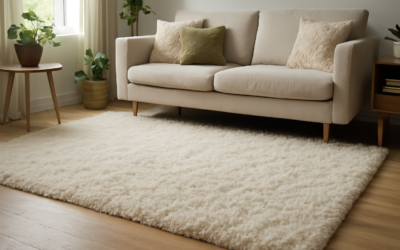
There is a reason shag rugs never really go out of style: nothing else feels quite as good under bare feet on a cold morning. A 6×9 shag rug delivers that deep, plush comfort in a size that suits smaller living rooms, bedrooms, and apartments perfectly. The long, loose pile adds instant warmth and texture, softens hard flooring, and makes a room feel cozy and inviting. But not all shags are created equal, and choosing the right pile height, material, and care routine determines whether you end up with a luxurious retreat or a matted, shedding mess.
What Makes a Rug a Shag
Shag refers to the pile: long, loose fibers, typically anywhere from three-quarters of an inch up to two inches or more, that stand tall rather than lying flat. That height is what creates the signature soft, sink-in feel. The look ranges from dense, uniform plush to loose, wispy strands. Compared to a low-pile or flatweave rug, a shag trades easy cleaning and durability for unmatched comfort and a strong textural presence in the room.
Why the 6×9 Size Works
The 6×9 is an underrated size that fills a real gap between the small 5×7 and the large 8×10. It is ideal for a compact living room where an 8×10 would overwhelm the space, for anchoring the foot of a queen or king bed, or for defining a cozy reading nook. In a small seating area, a 6×9 is large enough that the front legs of a loveseat and a chair can rest on it, tying the furniture together. It also suits apartments and condos where floor space is at a premium but comfort still matters.
Pile Types and What They Feel Like
Not every shag has the same texture, and the differences are worth knowing:
- Classic shag — long, loose strands with an airy, retro feel; the softest but most prone to matting.
- Flokati — a wool shag with thick, curly pile, traditionally handmade in Greece, warm and substantial.
- Frieze and twist shag — tightly twisted fibers that resist matting better and hide footprints.
- Faux fur and sheepskin — ultra-plush synthetic or natural pile for a glam, cozy accent.
If durability matters, a frieze or twist shag holds up better in traffic. For pure luxury underfoot in a bedroom, a classic plush or flokati is hard to beat.
Best Materials for a Shag
Material drives both feel and upkeep. Polyester is the most common shag fiber: soft, affordable, available in vivid colors, and reasonably stain-resistant, though it can flatten over time in high traffic. Wool is the premium choice, naturally resilient, warm, and long-lasting, with a rich feel that synthetics only approximate, but it costs more and sheds initially. Polypropylene shags are the most durable and easiest to clean, making them a good pick for busier rooms, though they feel slightly less plush. For a bedroom you want the softest fiber; for a living room, prioritize resilience.
Placement and Styling
Shag rugs shine in comfort-focused spaces. In a bedroom, place a 6×9 so it extends past the sides and foot of the bed, or center it under the lower two-thirds of the bed so you step onto plush pile when you wake. In a small living room, position the rug so at least the front legs of your seating rest on it to unify the arrangement. Shags also make excellent layering pieces over a larger flatweave or jute rug, adding a pool of softness in a reading corner or under a coffee table. Keep the furniture on the lighter side, since heavy pieces crush the pile permanently. Always use a rug pad to prevent slipping and reduce wear on the backing.
Cleaning a Shag Rug
Here is the honest tradeoff: shags are the least convenient rugs to clean because debris sinks deep into the long pile. Vacuum regularly, but use a suction-only setting or turn off the beater bar, since a rotating brush tangles, pulls, and frays the long fibers. For a deep clean, take the rug outside and shake it hard, or hang it over a railing and beat out the embedded dust. Blot spills immediately with a clean cloth, working from the outside in, and avoid rubbing, which mats the pile. Most polyester and polypropylene shags tolerate spot cleaning with warm water and mild soap. Wool and natural-fiber shags need gentler, wool-safe products. Fluff the pile with your fingers or a rug rake after cleaning to restore its loft.
What a 6×9 Shag Costs
Prices span a broad range. A synthetic polyester or polypropylene 6×9 shag typically runs $80 to $250. Faux fur and thicker plush versions land in a similar bracket. Wool shags and genuine flokati cost considerably more, often $300 to $700 or higher for a 6×9 depending on construction and pile density. For a busy household, a mid-priced durable synthetic makes sense since you will not stress over it. For a bedroom sanctuary where softness is the whole point, a wool or flokati shag rewards the splurge with years of plush comfort.
Dealing With Shedding and Matting
Two issues come up with nearly every shag rug, and both are manageable if you know what to expect. Shedding is normal for new rugs, especially wool and thick polyester, as loose fibers left over from manufacturing work their way out. It usually tapers off within a few weeks to a couple of months of regular gentle vacuuming. Resist the urge to pull at loose strands; snip any that stick up rather than yanking, which can unravel the pile.
Matting is the bigger long-term concern. High foot traffic and heavy furniture crush the pile flat over time, and once matted, the plush feel is hard to recover. Minimize it by keeping heavy pieces off the rug or using furniture coasters, rotating the rug regularly so wear spreads evenly, and periodically raking the pile with a rug rake or wide-tooth comb to lift the fibers back up. Twist and frieze constructions resist matting best, which is why they are the smarter pick for a living room, while a plush classic shag is happiest in a low-traffic bedroom.
Is a Shag Rug Right for Your Room?
Before you buy, be honest about the room. A shag is a wonderful choice for a bedroom, a reading nook, a nursery, or a formal sitting area where comfort and coziness are the priorities and traffic is light. It is a poor choice for a dining room, where crumbs and spills sink into the pile and chair legs snag it, or a busy entry that sees grit and moisture. Households with shedding pets should also weigh the extra cleaning, since fur burrows deep into long fibers. If your space fits the shag’s strengths, few rugs deliver as much comfort; if it does not, a low-pile or flatweave will serve you far better.
The Bottom Line
A 6×9 shag rug is the piece to reach for when comfort tops your list and you want a size that fits smaller rooms without crowding them. Choose your pile type for the balance of plushness and durability you need, match the material to the traffic, and place it where bare feet will appreciate it most. Commit to gentle, regular cleaning and a good rug pad, and lean toward twist or frieze constructions if the room sees heavy use. Get those basics right and your shag will stay soft, warm, and inviting for years.