After years of oversized planks and giant slabs, the humble 8×8 floor tile is having a genuine comeback. This eight-inch square is the modern heir to the patterned cement floors of Spanish villas, Moroccan riads, and old Mediterranean kitchens, and it lets homeowners bring that hand-painted, encaustic charm into a bathroom or entry without the fragility of true cement tile.
Part of our Tile & Grout guide — explore the full guide →
The compact square is small enough to create intricate repeating patterns yet large enough to install without the endless grout lines of a mosaic. This guide explains the styles, materials, costs, and layout strategies that make an 8×8 floor look intentional rather than dated.
What Makes 8×8 Floor Tile Special?
An 8×8 floor tile measures eight inches on each side, a proportion that dominated American kitchens and baths from the 1970s through the 1990s before big-format tile took over. Its revival is driven almost entirely by pattern. Because each square is a self-contained canvas, manufacturers print bold geometric, floral, and encaustic-look designs that tile together into a stunning “rug” across the floor.
The square shape also makes patterned layouts easy to plan. Four tiles form a repeating medallion, or a single tile can carry a design that connects seamlessly to its neighbors. That flexibility is why designers reach for the 8×8 when they want a floor with personality.
Size plays a subtle psychological role, too. In a compact room, a smaller tile keeps the pattern in proportion, so a 40-square-foot powder room does not feel dominated by a handful of enormous planks. The eight-inch module also produces a satisfying number of grout lines that break up a hard, wet surface and add traction, which is exactly why the format endured for decades in bathrooms before designers rediscovered its decorative potential.
Popular Styles and Looks
The format spans several distinct aesthetics, so it is worth knowing which one you are chasing:
- Encaustic and cement-look: matte, patterned porcelain that mimics vintage hand-poured cement tile without the sealing headaches.
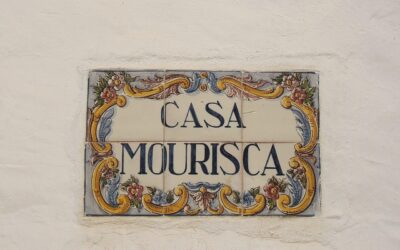
- Spanish and Mediterranean: warm terracotta tones, blue-and-white talavera motifs, and hand-painted borders.
- Moroccan geometric: interlocking stars, diamonds, and trellis patterns in bold contrast.
- Solid matte: a single color used as a classic grid, often for a retro or utilitarian look.
Patterned 8×8 tile works best in small doses. A powder room, a kitchen, an entry, or a laundry floor gives the eye a defined frame; a huge open plan can feel busy and overwhelming when covered edge to edge in bold geometry.
Material Choices
Not every 8×8 tile is created equal, and material affects both durability and maintenance:
- Porcelain: the top pick for floors, with a PEI rating of 4 or 5, near-zero water absorption, and printed patterns that never need sealing.
- Ceramic: a lower-cost option, fine for light-traffic floors but softer than porcelain.
- Genuine cement (encaustic): the authentic article, gorgeous but porous, requiring sealing before and after grouting and ongoing care.
- Natural stone: slate, travertine, and marble squares for an organic, textured floor.
For most homeowners, cement-look porcelain delivers the vintage appearance with a fraction of the upkeep. Reserve true cement tile for projects where authenticity justifies the extra maintenance.
Where This Size Works Best
Because bold pattern is the whole point, the format rewards spaces where it can act as a feature rather than wallpaper. A powder room floor is the ideal canvas: small enough that even a premium patterned porcelain stays affordable, and enclosed enough that the design feels like a jewel box. Entryways and mudrooms are next in line, greeting guests with a shot of color and hiding tracked-in dirt within the pattern.
Kitchens take well to an 8×8 floor when the cabinets and counters stay quiet, letting the floor lead. Some homeowners use the tile only in a defined zone, such as under an island or inside a butler’s pantry, to create a built-in “rug” without committing the entire room. Laundry rooms and sunrooms round out the list, both benefiting from porcelain’s water resistance and the pattern’s ability to disguise everyday mess.
What It Costs Per Square Foot
Pattern and material push the price around considerably. Expect these ranges for the tile alone:
- Solid ceramic: about $2 to $5 per square foot.
- Patterned porcelain: roughly $5 to $12 per square foot.
- Premium encaustic-look and imported designs: $10 to $20 per square foot.
- Genuine cement tile: $15 to $30 per square foot.
Installation runs $8 to $15 per square foot for a simple grid, and more when a directional pattern requires careful alignment. A 50-square-foot bathroom floor typically totals between $700 and $2,200 installed, with patterned porcelain landing comfortably in the middle.
Layout and Pattern Matching
Patterned squares demand a plan before the first tile goes down. Dry-lay the whole floor, or at least a full repeat, to confirm the design connects correctly and to decide where the cuts fall. Center the pattern on the room or on the main sightline from the doorway so the layout looks deliberate.
Most 8×8 patterns are directional, meaning each tile has a top and bottom, so mark your orientation on the back and double-check before you bed each piece in mortar. A straight grid layout suits patterned tile; save diagonal and offset arrangements for solid colors, where a stagger will not scramble the design.
Watch the borders where the pattern meets the wall. A design that gets sliced awkwardly at the room’s edges can look accidental, so shift the whole layout a few inches until the cut tiles at opposite walls are roughly equal and no sliver is thinner than about two inches. Many patterned collections also sell a coordinating plain or border tile you can run around the perimeter, which frames the design like a true rug and sidesteps ugly partial cuts entirely.
Installation and Grout Tips
Start with a flat, clean subfloor and a suitable membrane over concrete or a cement backer board over plywood. Use a high-quality thinset and keep joints consistent at 1/16 to 1/8 inch, since patterned tiles look best when the grid stays tight and even. Level clips help prevent lippage even on a modest eight-inch square.
Grout color is a design decision. A matching grout lets the pattern flow uninterrupted, while a contrasting grout turns the grid itself into part of the look. For cement tile, apply a penetrating sealer before grouting to keep pigment from staining, then seal again once the grout cures. Porcelain skips that step entirely.
Ordering enough tile is more critical with patterns than with plain field tile. Because the design repeats, a shortage forces you to reorder, and a new production run may not match the color or register of the first. Buy 10 to 15 percent overage on solid colors and closer to 20 percent on complex patterns and herringbone-style layouts, where cuts eat into more material. Confirm every box carries the same lot or batch number before the installer opens a single one.
Is 8×8 Floor Tile Right for You?
Choose an 8×8 floor tile when you want warmth, pattern, and old-world character in a defined space. It transforms a plain powder room into a showpiece, gives a kitchen a European accent, and welcomes guests at the front door. Stick with porcelain for durability, plan your pattern carefully, and order 10 to 15 percent overage from one lot. Handled that way, this small square delivers a floor with far more charm than its size suggests.
Prefer to explore on your own?
See how new flooring looks in your actual room in seconds — free, no signup.
Try the free Floor Studio →