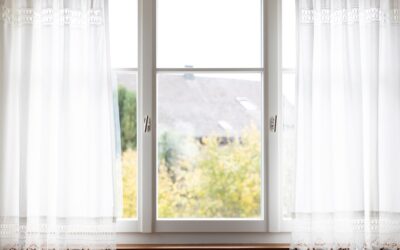
Most accent wall inspiration shows a clean, uninterrupted surface, which is why so many homeowners freeze when their chosen wall has a window smack in the middle of it. An accent wall with window is not a problem to hide; handled well, the window becomes part of the design and gives the wall a natural focal point that a blank surface lacks. The key is treating the opening as an intentional element rather than an obstacle to paint around. Here is how to plan color, material, and trim so the window elevates the wall instead of fighting it.
- Why Windows Complicate Accent Walls
- Center the Window or Embrace the Asymmetry
- Color Strategies That Include the Window
- Paneling and Millwork Around a Window
- Wallpaper on a Window Wall
- Layering Light and Window Treatments
- Common Mistakes to Avoid
- Working With Two Windows on One Wall
- Budget and Effort by Treatment Type
- Final Thoughts
Why Windows Complicate Accent Walls
A window breaks up the surface, casts changing light across it, and introduces trim lines and a sill that interrupt any pattern. If you simply paint a bold color and stop awkwardly at the window casing, the eye catches the mismatch immediately. Paneling and wallpaper get trickier still, because the pattern has to navigate around the opening without looking chopped off.
But the window also brings advantages. It is already a focal point, drawing the eye and framing a view. Natural light plays across textured treatments beautifully, making board and batten, fluting, or a deep paint color shift throughout the day. The goal is to work with those qualities, not against them.
Center the Window or Embrace the Asymmetry
Start by assessing where the window sits. A centered window is the easy case: the wall reads as symmetrical, and you can balance the space on either side with matching sconces, shelving, or art. Treat the window as the middle of a composition and everything falls into place.
An off-center window demands a different strategy. Rather than fighting the asymmetry, lean into it. Balance a window pushed to one side with a taller piece of furniture, a plant, or a cluster of frames on the opposite side. Trying to force visual symmetry onto an asymmetrical wall usually looks worse than confidently embracing the imbalance.
Color Strategies That Include the Window
Paint is the simplest accent treatment, and the window changes how you apply it.
- Wrap the trim in the accent color. Painting the window casing the same bold color as the wall lets the opening dissolve into the design, creating a seamless, modern block of color. This works beautifully with deep tones like navy, charcoal, or forest green.
- Contrast the trim in white. Keeping the casing crisp white against a dark wall frames the window like a picture, a more traditional look that celebrates the opening.
- Extend color into the reveal. Painting the inside faces of the window return in the accent color adds depth and makes the treatment feel deliberate and finished.
Test your choice with a sample. Deep colors read very differently in the raking light near a window than they do on a shaded wall, so paint a two-foot swatch beside the casing and watch it across a full day before committing.
Paneling and Millwork Around a Window
Board and batten, shiplap, and fluted panels all work on a window wall, but the layout must respect the opening. The professional trick is to plan the vertical elements so a batten or panel edge aligns cleanly with the window casing rather than dying awkwardly a few inches away.
For board and batten, run the battens at even spacing across the wall and let the window casing act as one of the vertical breaks. Above and below the window, continue the horizontal rails so the grid reads as continuous. This makes the window look built into the paneling rather than punched through it. If your panel spacing does not naturally hit the window edges, adjust the spacing slightly across the whole wall so it does; the eye reads even, intentional spacing far more forgivingly than random gaps.
Handling the Sill and Apron
The sill and the apron below it are opportunities. Upgrading a thin builder sill to a chunkier one, or adding a proper apron beneath, gives the window weight that matches a substantial paneled wall. When the millwork below the window matches the paneling’s proportions, the whole composition looks custom.
Wallpaper on a Window Wall
Wallpaper on an accent wall with a window is the most demanding option but delivers the richest result. The pattern has to be planned so it flows around the opening logically. Center a large-scale mural or pattern so the window sits within a balanced portion of the design, and buy extra paper because the cuts around the window waste material.
Removable peel-and-stick wallpaper lowers the risk for a first attempt, letting you reposition panels as you work around the casing. Whatever you choose, take precise measurements of the window location before ordering so a bold motif does not land awkwardly, half-hidden behind the trim.
Layering Light and Window Treatments
The window brings its own light, and your treatment interacts with it. Deep, matte accent colors absorb light and can make a room feel cozy but darker, so on a north-facing wall with limited sun, lean slightly lighter or add layered lighting. Sconces flanking a centered window wash the accent wall in warm light at night, keeping it a focal point after dark.
Coordinate the window treatment with the wall. Simple, unfussy curtains in a tone that complements the accent color let the wall shine, while busy patterned drapes compete with a bold wall for attention. Roman shades or clean roller blinds keep the focus on the wall and trim.
Common Mistakes to Avoid
- Stopping the treatment abruptly at the window without integrating the casing, leaving a jarring edge.
- Ignoring pattern alignment, so paneling or wallpaper hits the window at a random, unbalanced point.
- Overcrowding the wall with furniture and art on top of an already busy window and treatment.
- Forgetting the reveal and sill, which look unfinished if left in the old color while the wall goes bold.
Working With Two Windows on One Wall
Some walls have not one but two windows, which raises the difficulty but also the payoff. The trick is to treat the space between and around the windows as a rhythm. If the two windows are evenly spaced, you have natural symmetry to exploit; center your composition on the pier between them and let the windows frame the sides. Paneling battens or fluting can run in the wall sections between and beside the windows, with the casings tying into the vertical lines.
When two windows sit at different heights or sizes, resist the urge to force them to match. Instead, unify them with a single continuous treatment, painting both casings and the whole wall one color so the differences read as intentional variety rather than a mistake. A continuous color field is remarkably forgiving of irregular window placement, which is why the wrapped-trim, monochrome approach is the safest bet for complicated walls.
Budget and Effort by Treatment Type
Your choice of treatment drives both cost and difficulty on a window wall. Paint is the cheapest and most forgiving, needing only a couple of sample pots, a gallon of finish, and an afternoon of careful cutting-in around the casing. Expect to spend well under $100 and to finish in a day, making it the low-risk starting point.
Board and batten or fluted paneling steps up the cost to a few hundred dollars in materials and a weekend of work, plus the added care of aligning the millwork to the window. Wallpaper lands in a similar budget range but demands the most patience, since the pattern must be planned and cut precisely around the opening. Match your ambition to your skill and time; a first-timer is wise to start with wrapped-trim paint and graduate to paneling or paper once comfortable.
Final Thoughts
An accent wall with a window is a chance, not a compromise. Decide first whether to make the window disappear into the color or frame it as a feature, then plan any paneling or wallpaper so its lines align cleanly with the casing. Upgrade the sill and reveal so they match the wall’s ambition, balance an off-center window with furniture rather than fighting it, and layer in sconces so the wall stays a focal point at night. Handle those details and the window stops being the reason you avoided the wall and becomes the reason the whole room finally feels finished.