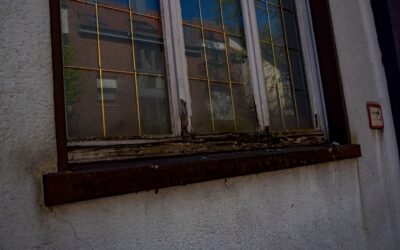
Ask ten homeowners to point at the window sill and half of them will point at the wrong part. So what is a window sill, exactly? It’s the horizontal, bottom-most part of a window frame — and specifically, in the strict building sense, it’s the exterior ledge that projects outward at a slight downward slope to shed rainwater away from the wall. The flat interior ledge where you set a plant or a coffee cup is technically the “stool,” even though nearly everyone calls that the sill too. Understanding the difference matters because these parts do completely different jobs, fail in different ways, and cost different amounts to fix. Here’s how the whole assembly works.
Part of our Windows & Doors guide — explore the full guide →
The Sill’s Real Job: Shedding Water
The exterior sill is a water-management component first and a decorative ledge second. It sits at the bottom of the window opening and is deliberately sloped — typically pitched down and outward at around 5 to 15 degrees — so rain that hits the glass runs down, across the sill, and drips off the front edge instead of pooling against the wall or seeping into the framing below.
Many sills also have a small groove cut into the underside of the front edge called a drip edge or drip kerf. That groove breaks the surface tension of water so it drops straight off rather than curling back and running along the underside toward the wall. It’s a tiny detail, but on older windows a clogged or missing drip kerf is a common reason water tracks back into the sill and rots it.
Sill vs. Stool vs. Apron
The bottom of a window has three parts people mix up constantly, so here’s the plain distinction:
- Sill: The exterior, sloped, weather-facing ledge at the bottom of the window frame. Its job is to shed water.
- Stool: The interior flat ledge that caps the sill on the inside — the shelf you actually set things on. This is what most people mean when they say “window sill.”
- Apron: The trim board mounted on the wall directly below the interior stool, finishing the transition from window to wall.
So when someone says “my cat sits on the window sill,” they mean the stool. When a home inspector writes up “sill rot,” they usually mean the exterior weather sill that’s been taking rain. Knowing which part is which saves confusion when you’re ordering parts or getting a repair quote.
What Window Sills Are Made Of
Sill material has changed with window technology. Older homes almost always have solid wood sills, often milled from a durable species and set at a pronounced slope. Wood looks great and can be repaired, but it’s vulnerable to rot where paint fails. Newer windows use a range of materials depending on the window type:
- Wood: Traditional, repairable, and the standard on historic and older homes. Needs paint upkeep to resist rot.
- Vinyl (PVC): Integral to modern vinyl windows. Waterproof, low-maintenance, and the sill is molded as part of the frame with built-in drainage.
- Stone or precast concrete: Common on masonry and brick homes, especially exterior sills. Extremely durable but heavy.
- Composite and fiberglass: Engineered materials that resist rot and warping, used on premium replacement windows.
- Aluminum: Found on metal-framed windows and some commercial units; durable but conducts heat and cold.
How the Sill Fits Into the Whole Window
The sill is one of four frame members that form the fixed opening the sash sits in. The two vertical sides are the jambs, the top is the head, and the bottom is the sill. Where the sill meets the wall below, there’s usually a sill pan or sill flashing — a waterproof tray or membrane installed under the window during construction to catch any water that gets past the sill and direct it back outside.
That hidden sill pan is critical and invisible. When a window leaks and the framing rots below it, the failure is often a missing or improperly lapped sill pan, not the visible sill itself. This is why replacing a leaky window with a straight swap sometimes doesn’t fix the leak — the water is getting in below the sill, not through it.
Signs of a Failing Sill
A sill in trouble broadcasts warnings before it fails outright. On the exterior, watch for peeling or cracked paint, soft spots you can dent with a fingernail or screwdriver, dark discoloration, and visible gaps or cracks in the sill or the caulk joint where it meets the wall. On the interior stool, look for water stains, bubbling paint, mold along the base of the window, or a musty smell near the sill.
The definitive test is the probe test. Press a screwdriver or awl into the sill at several points. Sound wood resists firmly; rotted wood sinks in with little pressure and may reveal crumbly, punky material underneath. Catch it early and you’re doing a $50 epoxy repair. Ignore it and water reaches the framing, turning it into a $500 to $2,000 job that involves opening the wall.
Maintaining and Repairing a Window Sill
Sill maintenance is simple and pays off enormously. Keep the exterior sill painted or sealed, keep the caulk joint between the sill and the siding intact, and make sure the drip edge underneath is clear. Once or twice a year, run a bead of exterior-grade caulk anywhere the old caulk has cracked, and repaint bare spots before they become rot pockets.
For small rot on a wooden sill, dig out the soft wood, treat the area with a borate wood preservative, and rebuild the profile with a two-part epoxy wood filler — a repair kit runs about $60 to $90 and restores the slope and drip edge. For a badly rotted sill, a carpenter can cut out the damaged section and splice in new wood (a Dutchman repair) or replace the entire sill, typically $200 to $600 depending on access and material. If the framing below has rotted, the cost climbs because the wall has to be opened and the structure rebuilt.
Interior Sills: The Decorative Side
The interior stool doesn’t fight weather, so its considerations are aesthetic and practical. Homeowners choose materials that resist scuffs and moisture from condensation — painted wood, MDF, stone, tile, or solid-surface. A deeper stool creates a display or seating ledge; a wider overhang past the wall gives a more traditional look. If your interior sill collects condensation in winter, that’s usually a sign of single-pane or failed insulated glass above it, not a sill problem — the fix is upgrading the glass, not the ledge.
Standard Sill Heights and Codes
Sills aren’t placed at random heights — building codes and practical use set them. In most rooms the finished sill sits about 30 to 36 inches above the floor, a comfortable height for looking out while allowing furniture beneath. Kitchen sills over a counter run higher, typically 42 to 48 inches, to clear the backsplash and countertop. Bedrooms have a specific rule: egress windows serving as emergency exits must have a sill no more than 44 inches above the floor so occupants can climb out.
There’s also a fall-protection rule that catches many remodelers off guard. When a window sill is more than 72 inches above the exterior grade and lower than 24 inches above the interior floor, code generally requires window opening control devices or fall-prevention hardware, especially in homes with children. If you’re lowering a sill or adding a big window during a renovation, check these heights before ordering, because they affect both safety and whether the project passes inspection.
Frequently Asked Questions
Is the window sill the inside or outside part? Strictly, the sill is the exterior sloped ledge that sheds water. The flat interior ledge people set things on is technically the stool, though it’s almost universally called the sill in everyday speech.
Why does my window sill keep rotting? Wooden sills rot when water gets past failed paint or cracked caulk, or when a clogged drip edge lets water track back toward the wall. Fix the paint, caulk, and drainage, and repair small rot with epoxy before it reaches the framing.
Can I replace just the window sill? On wood windows, yes — a carpenter can splice in or replace the sill without replacing the whole window. On integrated vinyl or fiberglass windows the sill is molded into the frame, so a damaged sill usually means replacing the sash or the unit.
What is the slope on a window sill for? The slope, typically 5 to 15 degrees downward and outward, drains rainwater away from the window and wall. A flat or reverse-sloped sill lets water pool and is a leading cause of sill rot and interior leaks.