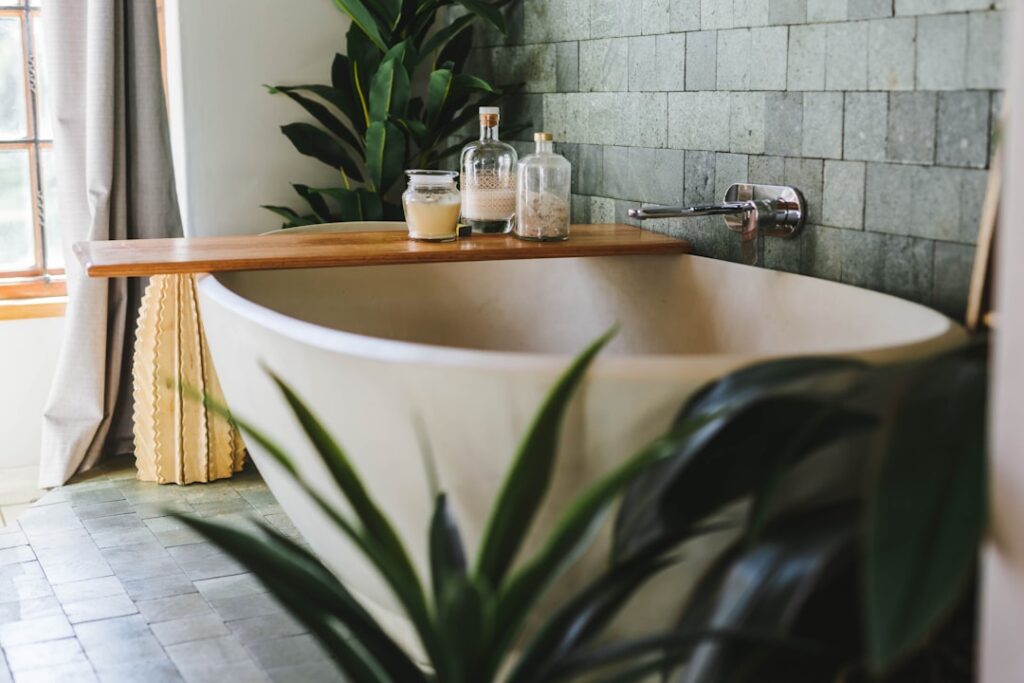
An acrylic freestanding tub is the centerpiece a lot of homeowners want the moment they see one in a magazine, and after installing dozens, I understand the appeal. It sits away from the wall, reads as a piece of furniture, and instantly makes a bathroom feel like a spa. What surprises people is how practical acrylic actually is compared to the heavier, pricier materials it competes with. It’s light enough to carry upstairs with two people and warm enough to lean against without that shiver you get from cold cast iron.
Below I’ll cover realistic sizes, weights, and prices, how acrylic stacks up against cast iron and stone resin, and the plumbing details that trip people up when they go freestanding.
What “Acrylic” Actually Means
An acrylic tub is formed from a sheet of colored acrylic that’s vacuum-molded into shape, then reinforced on the back with fiberglass and resin. The acrylic surface is the same material all the way through the visible layer, so a scratch can be buffed out rather than exposing a different color underneath. That’s a real advantage over old-school fiberglass tubs with a thin gel-coat that chips to reveal the rough matting beneath.
The result is a shell that’s rigid, warm to the touch, and holds heat well. Acrylic doesn’t conduct heat away from the water the way metal does, so your bath stays warm 10 to 15 minutes longer than it would in a cast iron tub of the same size.
Common Sizes and What Fits Your Bathroom
Freestanding tubs need breathing room. The tub itself is only half the equation; you want at least 4 to 6 inches of clearance on all sides for cleaning and visual balance. Standard sizes run:
- 55 to 59 inches long: The compact option for smaller bathrooms or where you’re replacing a standard 60-inch alcove tub with something that stands alone.
- 60 to 63 inches long: The sweet spot for most master baths. Comfortable for an average adult to stretch out, and it fits a typical remodel footprint.
- 65 to 67 inches long: Generous soaking tubs for taller users or two-person luxury. Confirm your floor space and door widths before ordering.
Width usually runs 28 to 34 inches, and height ranges from 23 to 31 inches at the deepest point. Deeper soaking tubs, often labeled “Japanese-style,” give you water up to your shoulders but require more hot water to fill, so size your water heater accordingly. A 60-gallon soaker will drain a standard 40-gallon tank fast.
Weight: The Reason Acrylic Wins for Second Floors
This is where acrylic earns its keep. An empty acrylic freestanding tub weighs just 60 to 120 pounds, light enough for two people to carry up a staircase. Fill it with water and add a bather and you’re looking at 500 to 800 pounds of live load, which a standard framed floor handles fine.
Compare that to cast iron. An empty cast iron tub of the same size weighs 300 to 450 pounds before a drop of water goes in. Full, it can push past 1,000 pounds, and it often needs additional floor blocking or joist reinforcement, plus three or four people to move it. For a second-floor bathroom, acrylic saves you a structural headache and a chiropractor bill.
Cost Breakdown: Tub, Filler, and Labor
Acrylic is the value leader among freestanding tubs. Here’s what you’ll actually spend:
- The tub: $600 to $2,500 depending on brand, size, and shape. Reputable mid-range models land around $900 to $1,400.
- Freestanding tub filler faucet: $250 to $900. This is the floor-mounted or deck-mounted spout, and it’s a bigger line item than people expect because freestanding fillers are tall and use more brass.
- Rough plumbing and installation labor: $500 to $1,500 if a plumber relocates supply and drain lines to the tub’s footprint.
All in, a typical acrylic freestanding tub project runs $1,800 to $4,500 installed. A comparable cast iron or stone resin setup easily adds $1,000 to $3,000 to that.
Acrylic vs. Cast Iron vs. Stone Resin
Each material has a personality. Here’s the honest comparison:
- Acrylic: Lightweight, warm, affordable, and repairable. The trade-off is it can scratch or dull over years and isn’t quite as rock-solid rigid as the premium materials. Best all-around choice.
- Cast iron: Practically indestructible with a porcelain-enamel surface that resists scratches and lasts generations. Downsides are the brutal weight, cold surface, high cost, and floor reinforcement it often demands.
- Stone resin (solid surface): A crushed-stone-and-resin composite with a thick, matte, ultra-durable wall that holds heat superbly. Gorgeous and heavy at 250 to 400 pounds, and pricey at $2,500 to $6,000 for the tub alone.
My rule of thumb: if you want the best value and an easy install, go acrylic. If you want an heirloom and have the structure and budget, cast iron or stone resin reward you. For most remodels, acrylic hits the mark.
Plumbing and Installation Considerations
The single biggest mistake I see is people buying the tub before planning the drain. A freestanding tub’s drain sits in a fixed spot on the floor, not at a wall, so the waste line must be roughed into the exact location under the tub’s footprint before the finished floor goes down. Get this wrong by even a couple inches and you’re cutting into finished tile.
Decide your filler style early too. A floor-mounted tub filler needs its supply lines roughed through the subfloor in a precise spot, while a wall-mounted or deck-mounted filler changes the plumbing entirely. Freestanding fillers often need higher supply pressure and larger 1/2-inch lines to fill the tub at a reasonable speed.
Set the tub on a level, solid floor. Most acrylic models have adjustable feet or an integrated base you shim level, then connect the drain assembly and test for leaks before you ever run a full bath. Silicone-caulk the base to the floor only after leak-testing, so you can still access the drain if needed. Done right, an acrylic freestanding tub is a weekend upgrade that pays you back every single evening you soak in it.
Shapes and Styles to Consider
Beyond size and material, the silhouette changes how the tub lives in the room. A few common styles:
- Slipper tub: One end rises higher than the other so you can recline. A double-slipper raises both ends for two-person symmetry. Great for tall bathers who want back support.
- Flat-bottom modern: Clean, straight sides and a rectangular or oval profile. This is the contemporary look most new builds choose, and it sits flush on the floor without feet.
- Clawfoot or pedestal: A traditional tub raised on feet or a plinth. Acrylic clawfoots give you the vintage look at a fraction of a real cast iron clawfoot’s weight and price.
- Japanese soaking (ofuro): Short but very deep, letting you sit upright submerged to the shoulders. Ideal for small bathrooms where floor length is tight.
Whatever the shape, run your hand along the rim thickness in the showroom. Cheaper acrylic tubs have thin, flexible walls that creak; better ones feel rigid and substantial because of heavier fiberglass backing.
Cleaning and Long-Term Care
Acrylic is forgiving but not bulletproof. The surface is non-porous, so it resists staining and wipes clean with a soft cloth and non-abrasive bathroom cleaner or even dish soap. Never use abrasive powders, scouring pads, or acetone-based products; they dull the glossy finish and leave micro-scratches that trap grime over time.
The upside of acrylic’s repairability is real. A shallow scratch or a dull spot can be wet-sanded with fine 1500- to 2000-grit paper and buffed back to gloss with automotive polishing compound, a fix you cannot do on porcelain-enameled cast iron. Deep gouges and small cracks are patchable with an acrylic repair kit for $20 to $30. Treat the tub gently, rinse it after each use to keep soap scum from building, and an acrylic freestanding tub will look showroom-fresh for 15 to 20 years.
One last tip from the field: keep bath bombs and heavily dyed products in check. Some contain oils and colorants that, left to sit, can leave a faint film or ring on acrylic. A quick wipe after draining prevents it entirely. And never rest a lit candle or hot styling tool on the rim; acrylic softens under sustained high heat, and a scorch mark is one of the few kinds of damage that won’t polish out. Respect those limits and the tub rewards you with years of quiet, warm, comfortable soaks.