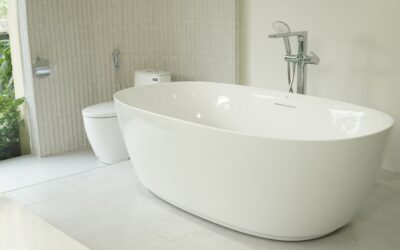
A soaking tub sitting free in the middle of the room is the centerpiece of many modern bathroom remodels, and few names carry more weight in American bathrooms than Kohler. A kohler freestanding tub pairs a sculptural profile with the engineering and warranty support of a legacy plumbing brand. This guide walks through the popular models, materials, sizing, real-world pricing, installation demands, and the care your tub will need to last decades.
- What Makes a Tub Freestanding
- Kohler’s Popular Freestanding Models
- Understanding the Materials
- Sizes and Soaking Depth
- How Much a Kohler Freestanding Tub Costs
- Choosing a Faucet for a Freestanding Tub
- Installation Requirements to Plan For
- Heat Retention and Comfort Features
- Cleaning and Maintenance
- Common Mistakes to Avoid
- Warranty and Support
- Matching the Tub to Your Bathroom Style
- Frequently Asked Questions
- Final Thoughts
What Makes a Tub Freestanding
A freestanding tub is finished on all sides and stands on its own, either on a solid base, on feet, or on a pedestal. Unlike an alcove tub tucked between three walls, it does not rely on surrounding framing, so it can sit against a wall, in a corner, or float in the center of the room as a design statement. That freedom is the main reason homeowners choose one, and it is why placement and plumbing routing become the biggest planning questions.
Kohler’s Popular Freestanding Models
Kohler makes a broad lineup, and knowing the flagship families helps you shop with intent.
- Kohler Sunstruck: an oval acrylic tub with a clean flat rim or fluted skirt, one of the most popular mid-price options.
- Kohler Abrazo: a Lithocast solid-surface tub with a distinctive sculpted silhouette and a warmer, stone-like feel.
- Kohler Veil: a minimalist Lithocast tub with thin walls and a contemporary geometric shape.
- Kohler Underscore and Tea-for-Two: deeper soaking designs, with some offered in cast iron for those who want the classic heavy tub.
- Kohler Vintage and Iron Works: traditional clawfoot and enameled cast-iron styles for period bathrooms.
Understanding the Materials
Material drives weight, heat retention, price, and feel, so it is the most consequential choice you will make.
- Acrylic: lightweight, warm to the touch, good heat retention, and the most affordable. Easiest to install because it does not overload the floor.
- Lithocast (Kohler’s engineered solid surface): a proprietary cast material that feels solid and stone-like, retains heat well, and allows thin, sculptural walls. Heavier than acrylic.
- Cast iron with enamel: extremely durable and excellent at holding heat, with a classic look, but very heavy, often 300 to 500 pounds empty, requiring reinforced floors.
Sizes and Soaking Depth
Freestanding tubs typically range from about 55 to 72 inches long and 28 to 36 inches wide. For a comfortable soak, look at the water depth, the actual level water reaches before hitting the overflow, which is more meaningful than overall height. Many Kohler soaking tubs offer water depths of 14 to 18 inches. If you are tall, prioritize interior length and a sloped backrest; if space is tight, a 60-inch model is the most common fit.
Always confirm the tub will physically fit through your doorways and up your stairs before buying, especially heavier cast-iron models.
How Much a Kohler Freestanding Tub Costs
Prices span a wide range depending on material and model. Use these figures for budgeting.
- Acrylic Sunstruck and similar: roughly $1,200 to $2,500.
- Lithocast Abrazo and Veil: roughly $3,000 to $6,500.
- Cast-iron models: roughly $2,500 to $5,000 or more.
- Installation labor: typically $500 to $1,500, higher if new plumbing rough-in or floor reinforcement is required.
- Freestanding faucet: a floor-mounted tub filler adds $400 to $1,500.
Budget for the whole picture, because the faucet and rough-in plumbing often add as much as a third to the tub’s own price.
Choosing a Faucet for a Freestanding Tub
Because the tub stands away from the wall, most owners pair it with a floor-mounted tub filler that rises from the floor beside the tub, or with a deck-mounted faucet if the tub has a wide rim. Kohler makes matching filler collections, and you should confirm the tub’s spout compatibility. Floor-mount fillers require the water supply lines to be roughed into the floor at the exact tub location, so the tub and faucet placement must be finalized before the subfloor is closed up.
Installation Requirements to Plan For
Freestanding tubs demand more planning than alcove tubs, and getting the rough-in right is critical.
- Confirm floor load capacity, because a filled cast-iron tub with water and a bather can exceed 900 pounds.
- Locate the drain rough-in precisely, since a freestanding tub’s drain sits in a fixed spot with little tolerance.
- Rough in supply lines for a floor-mount filler if that is your faucet choice.
- Verify the finished floor is level so the tub seats without rocking.
- Leave clearance around the tub, ideally at least 4 to 6 inches from walls for cleaning access.
Because the drain connection is often hidden and hard to reach after installation, most homeowners hire a licensed plumber for the final hookup.
Heat Retention and Comfort Features
One reason people love soaking tubs is a long, warm bath, and material matters here. Lithocast and cast iron hold heat noticeably longer than thin acrylic. Some Kohler models offer contoured lumbar support, and select lines add options like a heated surface or air jets. If a long soak is your goal, weigh the better heat retention of Lithocast or cast iron against their higher weight and cost.
Cleaning and Maintenance
Keeping the finish pristine is straightforward if you avoid harsh products.
- Clean with a soft cloth and mild, non-abrasive bathroom cleaner or dish soap.
- Avoid abrasive pads, scouring powders, and bleach-heavy cleaners that can dull acrylic and solid surfaces.
- Rinse and dry after use to prevent soap-scum and water-spot buildup.
- For minor scratches on acrylic, a fine polishing compound can often buff them out.
- Check the drain and overflow seals periodically for leaks.
Common Mistakes to Avoid
- Buying the tub before confirming the floor can support its filled weight.
- Finalizing the drain and filler rough-in locations after the tub arrives instead of before.
- Ordering a cast-iron model that cannot fit up the stairs or through the bathroom door.
- Skimping on the faucet and ending up with a filler that does not reach the tub properly.
- Placing the tub so close to a wall that you cannot clean behind it.
Warranty and Support
One advantage of a name brand is service. Kohler backs many of its tubs with a limited lifetime warranty on the tub itself for the original consumer, subject to the terms in the product documentation. Registering the product and keeping your receipt makes any future claim smoother. Widespread parts availability also means replacement drains, overflow trim, and faucet cartridges are easy to source years later.
That long-term parts support is easy to overlook when you are focused on looks, but it is one of the strongest reasons to buy a major brand. A bargain tub from an unknown importer may be impossible to service when a drain gasket fails in year eight, whereas a Kohler component can usually be matched at any plumbing supplier. Over a 20-year ownership horizon, serviceability is worth as much as the initial finish.
Matching the Tub to Your Bathroom Style
The freestanding shape you pick should echo the rest of the room. Oval and pill-shaped acrylic tubs like the Sunstruck suit transitional and contemporary spaces, while the sculpted Lithocast Abrazo reads as a modern art piece and wants a minimalist surround. Clawfoot and enameled cast-iron styles belong in traditional, vintage, or farmhouse bathrooms. Consider the tub color too, since Kohler offers finishes beyond white on select lines, and coordinate the faucet metal, black, brushed gold, or polished chrome, with your other fixtures for a pulled-together look.
Frequently Asked Questions
Do I need to reinforce my floor? For heavy cast-iron models, often yes; for acrylic, usually no, but confirm with your contractor. Can I use a regular wall faucet? Only if the tub sits against a wall at the right spot; most freestanding installs use a floor-mount filler. How deep is the water? Many Kohler soakers reach 14 to 18 inches of water depth, deeper than a standard alcove tub.
Final Thoughts
A kohler freestanding tub delivers a striking focal point backed by real engineering, a strong warranty, and easy parts availability. Match the material to your priorities, acrylic for value and easy installation, Lithocast for sculptural looks and heat retention, or cast iron for classic durability, and plan the plumbing rough-in carefully before the floor closes up. Do that, and you will enjoy a deep, warm soak in a centerpiece tub for decades to come.