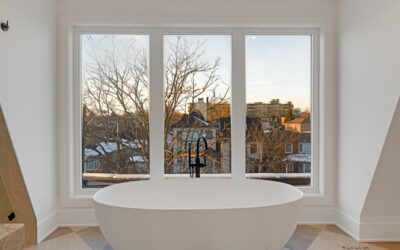
Nothing signals a spa-like bathroom quite like a sculptural tub sitting proudly in the middle of the room. A freestanding tub is a bathtub that stands on its own, finished on all sides and not built into a wall or alcove, making it both a functional soaking vessel and a design centerpiece. But behind the beautiful magazine photos are practical realities of weight, plumbing, and cost that every homeowner should understand before buying. This guide covers the types, materials, costs, and installation considerations so you choose the right tub for your space and budget.
- What Makes a Tub Freestanding
- Popular Styles
- Materials and How They Compare
- The Weight and Floor Support Question
- Plumbing Considerations
- What a Freestanding Tub Costs
- Installation Overview
- Pros and Cons to Weigh
- Common Mistakes to Avoid
- Comfort, Depth, and Sizing for Your Body
- Cleaning, Maintenance, and Longevity
- Choosing the Right Tub for You
- Luxury Freestanding Bathtubs: Materials, Structure and Safe Filling
What Makes a Tub Freestanding
A freestanding tub is finished on all exterior surfaces and stands independently, either flat on the floor, on decorative feet (clawfoot), or on a pedestal base. Because it is not tucked into a three-wall alcove like a standard tub, it can be placed against a wall, in a corner, or as a dramatic centerpiece in the middle of the room. This flexibility and visual impact are its main appeal.
Popular Styles
- Clawfoot: The classic vintage look, an oval tub raised on four ornamental feet. Timeless and traditional.
- Pedestal / plinth: The tub sits on a solid base that conceals the plumbing, giving a clean modern silhouette.
- Slipper: One or both ends are raised higher for a more reclined, comfortable soak. A double-slipper has both ends raised.
- Japanese soaking (ofuro): Deep and compact, designed for sitting upright in deep water, ideal for small spaces.
- Modern egg / oval: Smooth, sculptural shapes in acrylic or stone resin for contemporary baths.
Materials and How They Compare
The material affects weight, heat retention, durability, and price:
- Acrylic: The most popular, lightweight (often 70 to 120 pounds empty), warm to the touch, good heat retention, and affordable at $600 to $2,500. Can scratch but easily buffed.
- Fiberglass (FRP): Cheapest and lightest, but less durable and prone to fading.
- Cast iron: Extremely durable, excellent heat retention, and a substantial feel, but very heavy (300 to 500-plus pounds empty), requiring reinforced floors. $1,500 to $5,000-plus.
- Stone resin / solid surface: Luxurious, superb heat retention, seamless, heavy, and premium priced at $2,000 to $8,000.
- Copper or natural stone: Statement pieces, very heavy and expensive.
The Weight and Floor Support Question
This is the most overlooked practical issue. A tub full of water plus a bather can weigh a great deal, a cast-iron tub filled with water can exceed 1,000 pounds. Standard residential floors handle most acrylic tubs fine, but a heavy cast-iron or stone tub may require additional floor support, especially on upper floors. Before buying a heavy tub, check the combined weight of tub plus water plus occupant and consult a contractor about whether your joists need reinforcement. Ignoring this can cause a bouncy floor or worse.
Plumbing Considerations
Freestanding tubs plumb differently than alcove tubs, and this drives both cost and placement:
- Floor-mounted faucet: A dramatic freestanding faucet rises from the floor beside the tub, which requires plumbing to come up through the floor, ideal for center-of-room placement but more complex.
- Deck-mounted or wall-mounted faucet: The faucet mounts on the tub rim or the wall, simpler if the tub is near a wall.
- Drain location: The drain must align with the tub’s drain position, often requiring precise rough-in through the floor.
Because the plumbing usually comes up through the floor, the rough-in must be planned before the tub is set, and getting it exactly right is why many homeowners hire a plumber for this step.
What a Freestanding Tub Costs
- Budget acrylic: $600 to $1,500.
- Mid-range acrylic or stone resin: $1,500 to $3,500.
- Premium cast iron, copper, or natural stone: $3,500 to $8,000-plus.
- Freestanding tub filler faucet: $300 to $1,500 on its own.
- Professional installation: $500 to $2,000-plus depending on plumbing complexity and floor reinforcement.
Installation Overview
Installing a freestanding tub is more involved than a drop-in and usually benefits from a plumber:
- Plan the rough-in. Mark the exact drain and supply locations based on the tub’s specs before finishing the floor.
- Confirm floor support for the tub’s filled weight, reinforcing joists if needed.
- Set the drain assembly and connect it precisely to the waste line, this is the trickiest part and hard to access once the tub is set.
- Position and level the tub, shimming as needed so it sits flat and stable.
- Install and connect the faucet, floor, wall, or deck-mounted.
- Seal and test by filling with water and checking for leaks before the room is finished.
Pros and Cons to Weigh
- Pros: Stunning focal point, flexible placement, deep comfortable soaking, wide style range, adds a luxury feel and can boost home appeal.
- Cons: No integrated shower (usually), harder to clean around and behind, plumbing and weight demands, higher cost than a standard alcove tub, and getting in and out can be harder for those with mobility issues.
Common Mistakes to Avoid
- Ignoring floor load. Setting a heavy cast-iron tub on unreinforced upper-floor joists.
- Wrong faucet type for placement. Choosing a floor-mount filler without planning the through-floor plumbing.
- Underestimating drain access. The drain connection is nearly impossible to fix after the tub is set, so get it right first.
- Too big for the room. An oversized tub can overwhelm a small bathroom and leave no clearance; measure and leave walking space.
- Forgetting heat retention. Thin fiberglass loses heat fast; acrylic, cast iron, and stone resin hold warmth better for long soaks.
Comfort, Depth, and Sizing for Your Body
A beautiful tub you cannot comfortably soak in is a wasted investment, so consider ergonomics as carefully as looks. Interior length and depth matter most. A tub that is too short forces you to sit upright, while a well-sized soaking tub lets you recline with water covering your shoulders. Look at the water depth to overflow, not just the overall height; some tubs are tall but have a shallow soaking depth because the overflow drain sits low. Japanese-style soaking tubs are deep and compact, trading length for depth, and suit taller soaks in a small footprint.
Slipper and double-slipper designs raise one or both ends for a more reclined, back-supported position, which many people find more comfortable for long soaks. If more than one person will use the tub, or you are tall, prioritize interior length. When possible, sit in a floor model before buying; showroom testing reveals whether the backrest angle, depth, and length actually fit your body, something specs alone cannot tell you.
Cleaning, Maintenance, and Longevity
Freestanding tubs are finished on all sides, which looks great but means the exterior and the area around the tub need regular cleaning to stay attractive. Because the tub stands away from walls, dust and moisture collect behind and beneath it, so plan for how you will reach those areas; leaving adequate clearance around the tub makes cleaning far easier. Acrylic surfaces clean with gentle, non-abrasive cleaners, harsh scrubbing pads can scratch the finish, while minor acrylic scratches can be buffed out. Cast iron with a porcelain enamel finish is very durable but can chip if struck hard, and chips should be repaired promptly to prevent rust.
Address hard-water spotting by drying the tub occasionally and cleaning mineral deposits with an appropriate cleaner for the material. Keep the drain and overflow hardware clean and functioning, and check periodically that the tub remains level and stable. With routine care matched to the material, acrylic, cast iron, and stone-resin tubs all last for decades, and the enduring appeal of a well-maintained freestanding tub often makes it a lasting highlight of the home rather than a fixture you replace.
Choosing the Right Tub for You
A freestanding tub is the ultimate bathroom indulgence, but the smart buy balances beauty with practicality. Decide how the tub will be placed and match the faucet type accordingly, choose a material that fits your budget and your floor’s capacity, and confirm your floor can handle the filled weight. Acrylic is the sweet spot for most homeowners, light, warm, affordable, and durable, while cast iron and stone resin reward those willing to invest and reinforce. Plan the plumbing rough-in carefully, leave comfortable clearance around the tub, and you will have a striking, relaxing centerpiece that turns your bathroom into a genuine retreat for years to come.
Luxury Freestanding Bathtubs: Materials, Structure and Safe Filling
Luxury freestanding bathtubs stand apart through dense materials, thick walls, crisp edges and finishes that look good from every side. Those same qualities bring more weight and more precise plumbing, so a high-end tub needs as much planning under the floor as it does in the showroom.
What Sets Premium Materials Apart
- Cast iron: A heavy iron shell coated in glossy porcelain enamel. It holds warmth well and resists scratching, but the enamel can chip if struck with a heavy object, and the empty tub is a multi-person lift.
- Stone resin: Crushed natural stone bound with resin and cast into smooth, thick-walled shapes, usually with a matte or satin finish. It feels solid, holds heat well and can often be lightly sanded to remove minor surface marks.
- Copper: Hammered or smooth metal that develops a living patina over time unless it is sealed. Finishes range from bright polished to dark aged tones, and care depends on which finish you choose.
- Carved natural stone: Solid blocks of stone shaped into a tub. Each piece is unique, and it is among the heaviest options available.
Ask for the dry weight, finish care instructions and warranty terms for any premium tub before committing, since these vary more than the photos suggest.
Filled Weight on Upper Floors
Heavy materials plus a deep soaking well can put a very large load on a small patch of floor. On an upper floor, have a structural engineer or experienced contractor review the joists before ordering. They will look at joist size, spacing and span, the tub’s location relative to bearing walls, and whether blocking, sistered joists or a thicker subfloor is needed. Plan the delivery route as well: stairs, landings and tight turns may need a professional moving crew, and the tub should never be dragged across finished flooring.
Floor-Mounted Fillers Need a Licensed Plumber
A tall floor-mounted filler is a signature feature of many luxury installs, and it depends on supply lines and a valve body roughed in beneath the floor at an exact position. A licensed plumber should set the rough-in, mount the filler to solid blocking so it cannot wobble, and pressure test the lines before the finished floor goes down.
Scald Safety
Deep tubs fill with a lot of hot water, and a sleek filler handle can make temperature easy to misjudge.
- Choose a filler with a thermostatic or pressure-balancing valve, or have the plumber install an anti-scald mixing valve on the supply.
- Keep the water heater at a safe setting rather than turning it up to fill a big tub faster.
- Test the water by hand before stepping in, and supervise children and older adults at bath time.