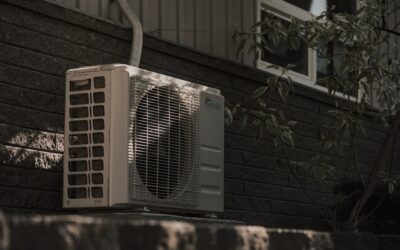
When you research your HVAC system, two terms come up constantly, and the air handler vs condenser comparison confuses many homeowners. These are two separate units that work together to heat and cool your home: one lives indoors and moves air, the other lives outdoors and manages refrigerant. This guide explains what each does, how they cooperate, and what it means for repairs, replacement, and cost.
- The Short Answer
- What a Condenser Does
- What an Air Handler Does
- How They Work Together
- Air Handler vs Furnace
- Indoor vs Outdoor Placement
- Why Matching Matters
- Understanding Efficiency Ratings
- Common Problems With Each Unit
- Replacement Costs
- When to Replace One or Both
- Maintenance Tips for Both
- How Sizing Affects Both Units
- Heat Pump vs Air Conditioner Setups
- Signs Each Unit Is Failing
- Choosing a Contractor for Replacement
- Final Summary
The Short Answer
The condenser is the outdoor unit that releases or absorbs heat and houses the compressor, while the air handler is the indoor unit that circulates conditioned air through your ducts using a blower. In a typical split system, they are two halves of one whole: the condenser handles the refrigerant side of the process outside, and the air handler distributes the cooled or heated air inside. Neither works without the other.
What a Condenser Does
The condenser, or condensing unit, sits outside your home, usually on a concrete pad beside the house. It contains three key parts: the compressor, the condenser coil, and a fan. In cooling mode, refrigerant carries heat from inside your home to the outdoor coil, where the fan blows outside air across it to release that heat. The compressor is the heart of the system, pumping and pressurizing refrigerant so the heat-transfer cycle can continue.
What an Air Handler Does
The air handler is the indoor counterpart, often located in a basement, closet, attic, or garage. It contains a blower fan, the evaporator coil, an air filter, and sometimes supplemental heating elements. The blower pulls warm indoor air across the cold evaporator coil, where refrigerant absorbs heat and moisture, then pushes the cooled, dehumidified air back through your ductwork into the rooms. In heat pump systems, the air handler distributes warm air in winter as well.
How They Work Together
Cooling your home is a continuous loop between these two units:
- The air handler’s blower draws warm indoor air across the evaporator coil.
- Refrigerant in the coil absorbs heat and humidity from that air.
- The refrigerant travels outside to the condenser.
- The condenser’s compressor and coil release the absorbed heat to the outdoor air.
- The refrigerant cools and returns indoors to repeat the cycle.
The result is cool, dehumidified air inside and rejected heat outside. In a heat pump, a reversing valve flips this cycle to bring heat indoors during winter.
Air Handler vs Furnace
A common point of confusion is the difference between an air handler and a furnace, since both are indoor units with a blower. A furnace generates heat by burning gas or using electric resistance and pairs with an air conditioner’s outdoor condenser. An air handler does not generate heat on its own; it moves air and holds the evaporator coil, and it usually pairs with a heat pump condenser that provides both heating and cooling. If you have a gas furnace, you have a furnace and coil rather than a standalone air handler.
Indoor vs Outdoor Placement
- Condenser (outdoor): Mounted outside on a pad, exposed to weather, needing clearance around it for airflow.
- Air handler (indoor): Installed in a conditioned or semi-conditioned indoor space, connected to the ductwork.
The two are linked by a refrigerant line set and control wiring running through the wall or foundation. Keeping the outdoor condenser clear of leaves, grass clippings, and debris, and keeping the indoor air handler’s filter clean, are the two most important maintenance habits.
Why Matching Matters
Air handlers and condensers are engineered to work as a matched pair. When you replace one, HVAC professionals strongly recommend replacing or verifying compatibility with the other. A mismatched system, such as a new high-efficiency condenser paired with an old air handler and coil, can lose efficiency, fail to reach rated SEER2 performance, and even cause premature compressor failure. Matched systems ensure the refrigerant charge, coil capacity, and airflow are all balanced.
Understanding Efficiency Ratings
Cooling efficiency is measured in SEER2 (Seasonal Energy Efficiency Ratio 2), and it reflects the performance of the matched system, not one unit alone. A condenser rated at a high SEER2 only delivers that efficiency when paired with the correct air handler and coil. Heat pump heating efficiency is measured in HSPF2. When shopping, look at the AHRI-matched system rating rather than the condenser’s number in isolation, because the pairing determines real-world performance.
Common Problems With Each Unit
- Condenser issues: Failing compressor, dirty or bent coil fins, a bad capacitor, refrigerant leaks, or a seized fan motor.
- Air handler issues: Clogged filter reducing airflow, a failing blower motor, a frozen evaporator coil, or a clogged condensate drain causing water leaks.
Refrigerant handling on either unit legally requires an EPA-608 certified technician, since venting refrigerant is prohibited and improper charging harms efficiency and the environment.
Replacement Costs
Because these units are matched, replacement decisions often involve both. Replacing just a condenser typically runs $2,000 to $4,500 installed, while an air handler runs roughly $2,000 to $4,000. Replacing the full matched system, condenser plus air handler and coil, commonly costs $5,000 to $10,000 or more depending on size, efficiency, and home specifics. Although replacing only the failed unit is cheaper upfront, pairing a new unit with an aging one can cost more over time through lost efficiency and mismatched wear.
When to Replace One or Both
If one unit fails and the other is relatively new, in good condition, and compatible, replacing just the failed unit can make sense. But if both are more than 10 to 15 years old, or if the failed unit uses an older refrigerant like R-22 that is being phased out, replacing the full matched system is usually the smarter long-term move. A qualified technician can confirm compatibility and whether a partial replacement will meet efficiency ratings.
Maintenance Tips for Both
- Change the air handler’s filter every one to three months to protect airflow and the blower.
- Keep at least two feet of clearance around the outdoor condenser and rinse the coil fins each spring.
- Have a professional tune-up annually to check refrigerant charge, electrical connections, and coils.
- Keep the condensate drain clear to prevent indoor water damage.
- Listen for unusual noises, which can signal a failing motor or compressor early.
How Sizing Affects Both Units
Both the condenser and air handler must be correctly sized to your home, measured in tons of cooling capacity, where one ton equals 12,000 BTU per hour. An oversized system cools the air too quickly without running long enough to remove humidity, leaving the home clammy and cycling on and off in a way that wears out the compressor. An undersized system runs constantly and never quite keeps up on hot days. HVAC professionals perform a Manual J load calculation to size the matched system to your home’s square footage, insulation, windows, and climate, which is why proper sizing is as important as picking efficient equipment.
Heat Pump vs Air Conditioner Setups
The air handler and condenser pairing works slightly differently depending on whether you have a straight air conditioner or a heat pump. With an air conditioner, the outdoor condenser only cools, and heating comes from a separate furnace. With a heat pump, the outdoor unit reverses its cycle in winter to pull heat from outside air and deliver it indoors through the air handler, providing both heating and cooling from the same two units. Heat pump air handlers often include supplemental electric heat strips for very cold days when the outdoor unit alone cannot keep up.
Signs Each Unit Is Failing
Recognizing early warning signs can prevent a full breakdown. A struggling condenser may show up as warm air from the vents, loud buzzing or clicking from the outdoor unit, a fan that will not spin, or ice on the refrigerant lines. A failing air handler often appears as weak airflow, water pooling near the indoor unit from a clogged condensate drain, rattling or grinding from the blower motor, or a frozen evaporator coil caused by restricted airflow. Catching these signs early and calling a technician usually means a cheaper repair than waiting until the unit quits entirely on the hottest day of the year.
Choosing a Contractor for Replacement
Because matching and sizing are critical, the contractor you choose matters as much as the equipment. Look for a licensed HVAC company that performs a proper load calculation rather than simply swapping in the same size as your old unit, verifies AHRI-matched pairings, and holds EPA-608 certification for refrigerant handling. Get multiple written quotes that specify the model numbers, SEER2 and HSPF2 ratings, and warranty terms. A quality installation, correct refrigerant charge, sealed ductwork, and proper airflow, has a bigger impact on efficiency and lifespan than small differences between comparable brands.
Final Summary
In the air handler vs condenser comparison, the key takeaway is that these are two halves of one system: the outdoor condenser manages refrigerant and rejects heat with its compressor, while the indoor air handler circulates conditioned air across the evaporator coil. They must be properly matched to hit their rated SEER2 efficiency and to avoid premature wear. Maintain the filter indoors and keep the outdoor coil clean, use an EPA-608 certified pro for any refrigerant work, and when replacing, weigh matching a new unit to an old one against replacing the full system for the best long-term value.