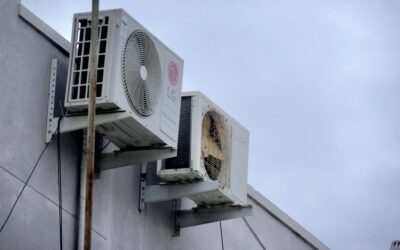
The air handler is the indoor heart of many HVAC systems, moving conditioned air through your home via the blower, coil, and filter. Regular air handler maintenance keeps efficiency high, prevents costly breakdowns, and protects your indoor air quality. This guide walks through the key tasks, schedules, and warning signs so you can keep your system running smoothly whether you DIY the basics or hire a professional.
- What an Air Handler Does
- Changing the Air Filter
- Cleaning the Evaporator Coil
- Clearing the Condensate Drain Line
- Servicing the Blower Motor and Wheel
- Inspecting Electrical Connections
- Checking for Air Leaks
- Monitoring for Refrigerant Issues
- Seasonal Maintenance Schedule
- Cost of Professional Service
- Warning Signs to Watch
- Understanding Variable-Speed Blowers
- Improving Indoor Air Quality
- DIY Versus Professional Tasks
- Extending Equipment Lifespan
- Seasonal Startup Checks
- Final Thoughts
What an Air Handler Does
The air handler contains the blower motor, evaporator coil, and air filter, and it circulates air throughout the ductwork. In a heat pump system it works year-round, handling both heating and cooling. Because it runs so many hours, its components accumulate dust, wear, and moisture-related issues over time. Keeping it clean and serviced ensures the rest of your system, including the compressor, does not have to overwork.
Changing the Air Filter
The single most important task is regular filter replacement. A clogged filter restricts airflow, strains the blower, and reduces efficiency. Check the filter monthly and replace standard one-inch filters every one to three months, more often with pets or allergies. Choose a MERV rating appropriate to your system, typically MERV 8 to 13 for homes, since an overly restrictive high-MERV filter can choke airflow if the system was not designed for it.
Cleaning the Evaporator Coil
The evaporator coil absorbs heat from your indoor air, and when it fouls with dust it loses efficiency and can freeze. Inspect the coil annually and clean it with a no-rinse coil cleaner or gentle brushing when dust accumulates. A dirty coil forces the system to run longer, raising energy bills and stressing the compressor. Deep cleaning is best left to a technician who can access and treat the coil safely.
Clearing the Condensate Drain Line
As the coil removes humidity, water drains through a condensate line to a floor drain or pump. This line clogs with algae and slime, causing water to back up, trip the safety float switch, and shut the system down, or worse, leak and cause water damage. Flush the drain line with a cup of distilled vinegar every few months, and keep the drain pan clean to prevent overflow and mold.
Servicing the Blower Motor and Wheel
The blower moves all the air, and its wheel collects dust that unbalances it and reduces airflow. Have the blower wheel cleaned annually, and on older units with oil ports, lubricate the motor bearings as specified. A dust-caked blower wheel dramatically cuts airflow even with a clean filter. Listen for grinding, squealing, or rattling, which signal worn bearings or a loose wheel needing prompt attention.
Inspecting Electrical Connections
Loose or corroded electrical connections cause intermittent operation, component failure, and even fire risk. During annual service, a technician tightens terminals, inspects the contactor and capacitor, and checks the wiring for wear or overheating. If you smell burning or see scorched wires, shut the system off and call for service immediately, because electrical faults escalate quickly and are not a safe DIY repair.
Checking for Air Leaks
Gaps around the air handler cabinet and at duct connections leak conditioned air into unconditioned spaces, wasting energy. Inspect the cabinet seams and the first few feet of duct for gaps, and seal them with mastic or foil tape, never cloth duct tape, which fails over time. Sealing leaks improves comfort, lowers bills, and reduces the dust and humidity that enter your ducts from attics or crawlspaces.
Monitoring for Refrigerant Issues
The evaporator coil is part of the refrigerant circuit, and low charge causes the coil to freeze and the system to lose capacity. Ice on the coil or line set, weak cooling, and hissing sounds can indicate a refrigerant leak. Refrigerant work requires EPA Section 608 certification, so leave leak detection and recharging to a licensed technician. Never top off refrigerant without finding and fixing the underlying leak.
Seasonal Maintenance Schedule
Build a simple routine. Check the filter monthly and change as needed. Flush the condensate drain quarterly. Schedule professional service twice a year, ideally in spring before cooling season and fall before heating season, so a technician can clean the coil, service the blower, check refrigerant and electrical, and catch small problems before they become expensive failures during peak demand.
Cost of Professional Service
A professional air handler tune-up or HVAC maintenance visit typically costs $75 to $200 per visit, and many companies offer annual service plans covering two visits for $150 to $300. That investment is small compared to a failed blower motor at $400 to $800 or a compressor replacement running into the thousands. Regular service also often preserves the manufacturer’s warranty, which many require documented maintenance to honor.
Warning Signs to Watch
Certain symptoms signal trouble. Weak airflow points to a clogged filter or dirty blower. Water around the unit means a blocked drain. Unusual noises indicate motor or wheel problems. Rising energy bills with no comfort improvement suggest a fouled coil or duct leaks. Musty odors can mean mold in the coil or drain pan. Addressing these early prevents small issues from cascading into major, costly repairs.
Understanding Variable-Speed Blowers
Modern air handlers often use variable-speed ECM blower motors that ramp up and down to match demand, running quietly and efficiently at low speeds most of the time. These motors improve comfort and cut energy use, but they are sensitive to airflow restriction, so a clogged filter hurts them more than an older fixed-speed unit. Keep filters clean and ducts unobstructed to let a variable-speed blower deliver the efficiency and quiet operation it was designed for.
Improving Indoor Air Quality
The air handler is the logical place to add air-quality upgrades. A media cabinet filter, UV germicidal light aimed at the coil, or a whole-house dehumidifier can integrate with the unit. A UV light discourages mold growth on the damp coil and in the drain pan, addressing musty odors at their source. When considering upgrades, make sure any added filtration does not restrict airflow beyond what your blower can handle.
DIY Versus Professional Tasks
Homeowners can safely handle filter changes, condensate drain flushing, keeping the area clean, and visual inspections. Leave coil deep-cleaning, blower wheel removal, electrical work, and any refrigerant service to a licensed technician. Knowing where the line falls prevents both costly mistakes and safety hazards. A good approach is to handle the routine monthly and quarterly tasks yourself and book professional tune-ups twice a year for the technical work.
Extending Equipment Lifespan
A well-maintained air handler and HVAC system commonly lasts 15 to 20 years, while a neglected one may fail in half that time. Clean filters, unobstructed airflow, a clear condensate drain, and timely professional service all reduce wear on the expensive compressor and blower motor. The cumulative effect of consistent maintenance is not just lower monthly bills but thousands of dollars saved by postponing a full system replacement.
Seasonal Startup Checks
At the start of each cooling and heating season, run a few checks before heavy use. Replace the filter, confirm the thermostat and breaker are set correctly, listen for unusual noises during startup, and verify air flows strongly from every register. Check that the condensate drain runs clear by pouring water through it. Catching a problem during a low-demand startup is far better than discovering it during the first heat wave or cold snap when the system runs hardest.
Final Thoughts
Consistent air handler maintenance is one of the highest-return habits in home ownership, protecting an expensive system while keeping energy bills low and air clean. Change filters on schedule, keep the coil and blower clean, flush the condensate drain, and book professional service twice a year. Stay alert to warning signs, address them promptly, and your air handler will deliver reliable, efficient comfort for many years.