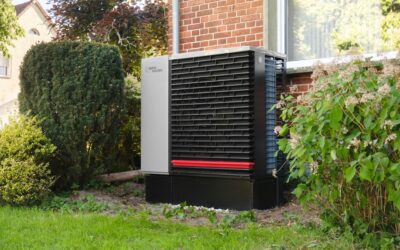
Proper geothermal heat pump maintenance is what lets a ground-source system deliver its remarkable longevity, indoor units lasting 20 to 25 years and buried ground loops often 50 years or more. Because so much of the system is sealed and underground, upkeep is simpler than for a conventional furnace, but a few key tasks keep efficiency high and prevent expensive failures.
- How Geothermal Systems Work
- Air Filter: The Most Important Routine Task
- Checking the Ground Loop
- Inspecting the Circulating Pumps
- Cleaning the Coils
- Condensate Drain Maintenance
- Checking the Desuperheater
- Electrical and Refrigerant Checks
- Recommended Maintenance Schedule
- What Maintenance Costs
- What Homeowners Can Do Versus Professionals
- Signs Your System Needs Attention
- Open-Loop Versus Closed-Loop Upkeep
- Seasonal Preparation Tips
- Why Neglect Costs More With Geothermal
- The Bottom Line
How Geothermal Systems Work
A geothermal, or ground-source, heat pump exchanges heat with the earth through a buried loop of piping filled with water or an antifreeze solution. Because ground temperature stays a steady 45 to 70 degrees Fahrenheit year-round, the system extracts heat in winter and rejects it in summer far more efficiently than an air-source unit, reaching coefficients of performance of 3.5 to 5. Fewer moving parts are exposed to weather, which is why maintenance is lighter but still essential.
Air Filter: The Most Important Routine Task
The single most valuable maintenance step is changing or cleaning the air filter every one to three months. A clogged filter restricts airflow, forcing the blower to work harder, cutting efficiency, and risking coil freeze-ups. Use the filter type and MERV rating specified by the manufacturer, commonly MERV 8 to 13; going too high can starve airflow. This five-minute task, done regularly, prevents the majority of efficiency complaints and comfort problems.
Checking the Ground Loop
The buried loop needs little attention, but the fluid and pressure inside it should be checked periodically by a technician. A closed-loop system holds water mixed with antifreeze at a set pressure; a drop in pressure signals a possible leak that reduces heat transfer and efficiency. Open-loop systems that use well water require more attention to water quality and flow. Loop flushing to remove air pockets or debris may be needed every few years to maintain proper circulation.
Inspecting the Circulating Pumps
Circulator pumps, sometimes housed in a flow center, move fluid through the loop. They should run quietly and maintain steady flow. Listen for unusual noise and watch for leaks around the pump connections. Weak circulation reduces the system’s ability to exchange heat with the ground, showing up as longer run times and higher bills. A technician can measure flow rate and pressure drop to confirm the pumps are performing to spec during an annual visit.
Cleaning the Coils
The refrigerant-to-air coil inside the unit collects dust over time, insulating it and reducing heat transfer. During professional service, the coil is inspected and cleaned as needed. Because the geothermal unit sits indoors, its coil stays cleaner than an outdoor air-source condenser, but the indoor environment still deposits dust and pet dander. Keeping the coil clean preserves the efficiency that makes geothermal worth its high installation cost.
Condensate Drain Maintenance
In cooling mode, the system removes humidity that collects as condensate and drains away. A clogged condensate line or dirty drain pan can cause water backup, leaks, and mold. Flush the drain line periodically and keep the pan clean, similar to any air conditioner. A safety float switch, if fitted, shuts the system down on a blockage, so a system that stops cooling and shows water in the pan often just needs the drain cleared.
Checking the Desuperheater
Many geothermal systems include a desuperheater that captures waste heat to help warm domestic hot water, cutting water-heating costs. This component and its small pump should be checked for proper operation during service, since a failed desuperheater quietly raises your water-heating bills without affecting comfort. Confirming it circulates and transfers heat is a worthwhile part of an annual professional inspection.
Electrical and Refrigerant Checks
A technician should inspect electrical connections, tighten terminals, and test the compressor and controls during annual service, since loose connections cause failures and safety hazards. The sealed refrigerant circuit should not need attention unless performance drops, and any refrigerant work legally requires an EPA Section 608-certified technician. Because the refrigerant loop is factory-sealed and indoors, leaks are less common than on air-source units, but performance testing catches problems early.
Recommended Maintenance Schedule
Homeowners should change the filter every one to three months and keep the return air path and drain clear. Schedule professional service once a year, ideally before heating season, covering loop pressure, pump operation, coil condition, electrical checks, and refrigerant performance. Every few years, have the loop fluid and antifreeze concentration verified. This modest schedule, far lighter than combustion-furnace upkeep, keeps a geothermal system running at peak efficiency for decades.
What Maintenance Costs
Filters cost a few dollars each and are a simple DIY item. An annual professional tune-up typically runs $150 to $350, depending on region and system complexity. Loop flushing or a fluid top-off costs more when needed, and a service contract bundling annual visits often saves money. Compared with the system’s high install cost of $15,000 to $35,000 and its long lifespan, routine maintenance is a small price that protects a major investment.
What Homeowners Can Do Versus Professionals
Homeowners can handle filter changes, keeping the unit and return grilles clear, flushing the condensate drain, and watching for unusual noises, leaks, or rising bills. Leave loop pressure and fluid work, pump servicing, coil cleaning, electrical checks, and any refrigerant handling to a qualified technician. Knowing this division of labor keeps you from voiding warranties or attempting refrigerant work that requires certification, while still letting you cover the frequent basic tasks yourself.
Signs Your System Needs Attention
Watch for warning signs between service visits: longer run times, rising energy bills, weak airflow, uneven temperatures, unusual pump or compressor noise, water around the indoor unit, or a drop in loop pressure. Catching these early, often traceable to a dirty filter, a clogged drain, or a pressure loss, prevents small issues from becoming compressor or loop failures that are far more expensive to repair.
Open-Loop Versus Closed-Loop Upkeep
Maintenance needs differ by loop type. A closed-loop system circulates a sealed water-antifreeze mix through buried pipe and mainly needs periodic pressure and fluid checks, making it low-maintenance and predictable. An open-loop, or pump-and-dump, system draws groundwater from a well, passes it through the heat exchanger, and discharges it, so it demands more attention to water quality. Minerals in hard water scale the heat exchanger, iron and sediment clog it, and the supply well and injection well need monitoring. Open-loop owners should have the heat exchanger inspected and descaled as needed and test water chemistry, since fouling here directly cuts efficiency and can, if ignored, damage the exchanger.
Seasonal Preparation Tips
A little seasonal attention keeps a geothermal system ready for each mode. Before heating season, replace the filter, confirm the loop pressure is in range, and schedule the annual professional tune-up so any weak pump or low charge is caught before the cold demands full output. Before cooling season, clear the condensate drain and pan, verify the desuperheater is helping with hot water, and check that airflow is unobstructed for humidity removal. Year-round, keep the mechanical-room area around the unit clean and accessible, note the system’s normal run times so you can spot changes, and keep a simple log of service dates and any readings for the next technician.
Why Neglect Costs More With Geothermal
The stakes of skipping maintenance are higher with geothermal than with a cheap furnace, precisely because the system costs so much and lasts so long. A neglected filter or fouled coil forces the compressor, the most expensive component, to work harder and fail sooner, and compressor replacement runs into the thousands. A slow loop leak left unaddressed starves the system of the ground contact that makes it efficient, quietly inflating bills for years. Because the equipment is engineered for a two-decade-plus life, protecting that longevity with modest annual care delivers an outsized return. Treat geothermal maintenance as insurance on a major investment rather than an optional expense, and the system rewards you with decades of low-cost comfort.
The Bottom Line
Consistent geothermal heat pump maintenance is straightforward yet essential: change filters regularly, keep drains and airflow clear, and schedule annual professional service covering loop pressure, pumps, coils, and electrical connections. Because the ground loop and sealed refrigerant circuit demand little attention, upkeep is lighter than for a conventional system, and the payoff is decades of efficient, low-cost heating and cooling from one of the most durable HVAC technologies available.