When homeowners research anderson replacement windows, they are usually weighing one of the most recognized names in the US window market against a big investment that affects comfort, energy bills, and curb appeal for decades. Andersen, correctly spelled with an e-n, has built its reputation on durable materials, strong energy performance, and a wide range of product series at different price points. This guide breaks down the major series, materials, costs, efficiency, and warranty so you can decide whether these windows fit your home and budget.
Part of our Windows & Doors guide — explore the full guide →
- Why Andersen Is a Leading Brand
- The Main Andersen Series
- Understanding Fibrex Material
- What Andersen Replacement Windows Cost
- Energy Efficiency
- Styles and Customization
- Warranty Coverage
- DIY vs. Professional Installation
- Common Mistakes to Avoid
- Are They Worth It?
- Full-Frame vs. Insert Replacement
- Renewal by Andersen vs. Buying Windows Directly
- Getting Accurate Quotes
Why Andersen Is a Leading Brand
Andersen has been making windows for well over a century and is one of the largest window and door manufacturers in North America. Its appeal comes from a combination of proprietary materials, broad style availability, and a nationwide network of dealers and installers. For homeowners, that translates into windows that are widely serviceable, backed by a substantial company, and available in enough series to match nearly any budget from mid-range vinyl-alternative to high-end wood. The trade-off is that Andersen sits at a premium price point compared with basic builder-grade vinyl brands.
The Main Andersen Series
Andersen organizes its products into numbered and named series, each targeting a different balance of price, materials, and features:
- 100 Series: Made from Fibrex, Andersen’s composite material blending wood fiber and thermoplastic polymer. Budget-friendly within the Andersen lineup, low-maintenance, and available in dark colors that vinyl struggles to hold.
- 200 Series: Wood construction with a vinyl exterior, a mid-range option with a classic look and solid performance.
- 400 Series: The best-selling line, wood interior with a vinyl-clad exterior, offering a traditional wood look inside with low-maintenance protection outside.
- A-Series and E-Series: The premium architectural lines, with the E-Series offering extensive customization and the A-Series combining Fibrex, wood, and aluminum for high performance and design flexibility.
Understanding Fibrex Material
A key differentiator is Fibrex, Andersen’s composite used prominently in the 100 Series and Renewal by Andersen products. Fibrex blends reclaimed wood fiber with thermoplastic polymer, aiming to combine the strength and insulating qualities of wood with the low maintenance of vinyl. Because it is stronger than vinyl, Fibrex allows narrower frames and larger glass areas, and it holds dark colors well without the warping or fading concerns that affect some vinyl in deep shades. It is a genuine selling point for buyers who want the look of a slim, dark frame with minimal upkeep.
What Andersen Replacement Windows Cost
Andersen is a premium brand, and pricing reflects that. As a general guide, expect roughly these installed price ranges per window, which vary widely by series, size, and region:
- 100 Series: Around $400 to $900 per window installed.
- 200 and 400 Series: Roughly $500 to $1,200 per window installed.
- A-Series and E-Series: Often $1,000 to $2,500-plus per window installed for premium architectural units.
Renewal by Andersen, the company’s full-service replacement division, typically prices higher because it bundles custom manufacturing and professional installation into a turnkey package, often landing well above standalone window costs. Whole-home projects with a dozen or more windows commonly run into the tens of thousands of dollars.
Energy Efficiency
Andersen windows are available with Low-E glass coatings and gas fills, and most qualify for ENERGY STAR ratings in the appropriate climate zones. Low-E coatings reflect heat to keep interiors cooler in summer and warmer in winter, while argon or other gas fills between panes improve insulation. When shopping, look at the National Fenestration Rating Council label on each unit, which reports the U-factor for insulation and the Solar Heat Gain Coefficient. Lower U-factors mean better insulation, and matching the SHGC to your climate, lower in hot regions and higher in cold ones, optimizes comfort and energy savings.
Styles and Customization
Andersen offers essentially every common window style: double-hung, casement, awning, gliding, picture, bay and bow, and specialty shapes. Interior and exterior color options, grille patterns, and hardware finishes let you tailor the look to a historic home or a modern build. The premium E-Series in particular offers an enormous palette of custom colors and configurations for homeowners who want an exact match to a specific architectural vision. This breadth is a major reason architects and remodelers specify Andersen.
Warranty Coverage
Andersen provides a limited warranty that varies by product line, generally covering glass for a longer period, such as 20 years against seal failure, and non-glass components for a shorter term, often 10 years. Renewal by Andersen installations typically carry their own transferable warranty covering the product and installation labor. As always, read the specific warranty for your chosen series, note what is prorated versus fully covered, and confirm whether coverage transfers to a new owner, which can add value at resale.
DIY vs. Professional Installation
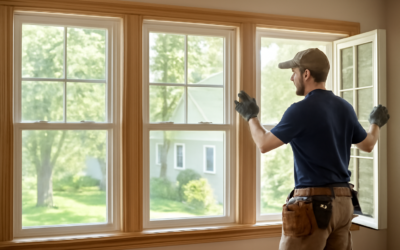
While a handy homeowner can install a replacement window, proper installation is critical to performance and warranty. Andersen windows are often sold through certified dealers who include professional installation, and Renewal by Andersen is installation-only. Correct flashing, insulation, and sealing prevent air and water infiltration that would undermine even the best window. Unless you have real experience with window installs and flashing details, professional installation is the safer route, especially since improper installation can void aspects of the warranty.
Common Mistakes to Avoid
A frequent mistake is comparing Andersen prices to bargain vinyl windows without accounting for the material and warranty differences; you are paying for a different tier of product. Another is choosing a series based only on price without considering the material’s suitability, such as picking the wrong line for a dark-color exterior. Homeowners also sometimes ignore the NFRC label and pick glass that is mismatched to their climate. Finally, hiring an uncertified installer to save money can compromise the flashing and sealing that make the window perform, so vet installers carefully.
Are They Worth It?
Andersen replacement windows justify their premium for homeowners who want durable, energy-efficient, widely serviceable windows with strong brand backing and extensive style options. Budget-focused buyers who simply need functional windows may find better value in mid-tier vinyl brands, but for those prioritizing longevity, dark-color capability through Fibrex, and a name that supports resale value, Andersen is a sound investment. Always get multiple quotes and compare the specific series and glass package.
Full-Frame vs. Insert Replacement
An important distinction when buying replacement windows is whether you get a full-frame replacement or an insert, sometimes called a pocket replacement. An insert window fits inside your existing, sound window frame, preserving the interior and exterior trim and making for a faster, less invasive, and usually cheaper install. It is the right choice when the existing frame is not rotted or damaged. A full-frame replacement removes everything down to the rough opening, letting the installer inspect and repair any hidden rot, reflash the opening properly, and even change the window size or style. Full-frame costs more and disturbs the trim, but it is the correct approach when the old frame is compromised or when you want to change the window’s dimensions.
Renewal by Andersen vs. Buying Windows Directly
Shoppers often confuse Andersen windows with Renewal by Andersen, and the difference affects both price and experience. Andersen manufactures windows sold through dealers and home centers, where you can buy the units and arrange your own installation. Renewal by Andersen is a separate full-service division that handles the entire project as a turnkey package: in-home consultation, custom measurement, manufacturing, and professional installation, all backed by a single warranty covering product and labor. Renewal generally costs more because of that bundled service and its custom Fibrex products, while buying Andersen series windows directly can cost less if you have a trusted installer. Decide based on whether you value a hands-off, single-source experience or want more control over cost and installer choice.
Getting Accurate Quotes
Because window pricing varies so widely by series, size, glass package, and installation scope, getting several detailed quotes is essential. Ask each provider to specify the exact series, the glass package including Low-E and gas fill, whether the quote is for insert or full-frame installation, and what the warranty covers. Beware of quotes that seem far lower than others, as they may use a cheaper series or exclude installation details that will resurface as change orders. A clear, itemized quote lets you compare apples to apples and understand exactly what you are paying for, which is the best defense against surprises on a major investment.
Andersen replacement windows span budget-conscious Fibrex 100 Series units to premium custom architectural lines, all backed by Low-E efficiency options and a substantial warranty. Match the series to your material and color needs, check the NFRC label against your climate, insist on quality installation, and compare quotes, and you will get windows that boost comfort, cut energy bills, and add lasting value to your home.