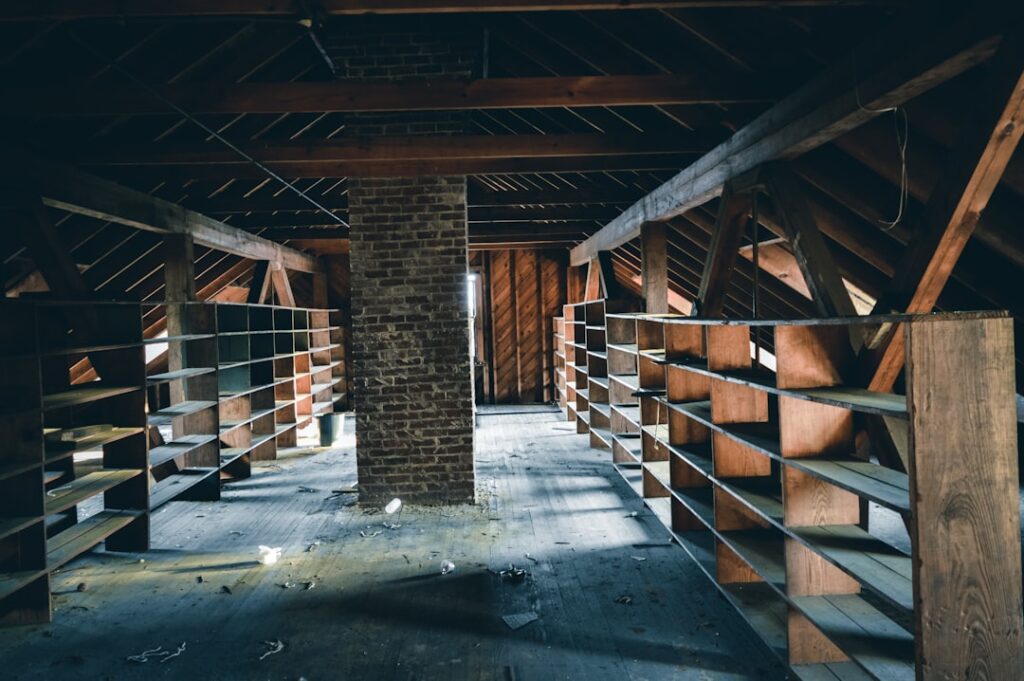
Attic fans get pitched as an easy way to slash cooling bills, but the reality is more complicated than the sales pitch. So are attic fans worth it? The honest answer is: it depends on your home, and the benefits are genuinely debated among professionals. In some houses an attic fan lowers attic temperatures and eases the load on your air conditioner, while in others it backdrafts, pulls expensive conditioned air out of your living space, or simply doesn’t justify its cost. Here’s a balanced breakdown so you can decide for your own situation.
First, Know Which “Attic Fan” You Mean
The term covers two different devices, and confusing them muddies the whole conversation.
- Powered attic ventilator: A fan mounted on the roof or gable that exhausts hot air out of the attic to lower attic temperature.
- Whole-house fan: A large fan in the ceiling that pulls cool outdoor air through open windows and exhausts it into the attic, cooling the living space directly on cool evenings.
This article focuses mainly on powered attic ventilators, the type most people mean when they ask if attic fans are worth it, though many of the trade-offs apply to attic ventilation generally.
The Case For Attic Fans
There are real, sensible reasons homeowners install them. In summer, an unventilated attic can reach 150°F or more, and that heat radiates down into living spaces and makes your AC work harder. A powered attic fan can pull that hot air out and bring attic temperatures down, potentially reducing the heat load on your home and ceilings.
Beyond summer comfort, moving air through the attic helps manage moisture. Trapped humidity contributes to mold growth and can shorten the life of roof sheathing and shingles. In humid climates or homes prone to attic moisture, improved ventilation offers a genuine benefit. For some homes, especially those with poor passive ventilation, an attic fan does measurably lower attic temperatures.
The Case Against: Real Drawbacks
This is where the honest picture gets more cautious, because attic fans carry well-documented downsides.
Pulling Conditioned Air From Your Home
The biggest concern is that a powerful attic fan can create enough negative pressure that it pulls air from your living space up through ceiling gaps, recessed lights, and the attic hatch, rather than from outside vents. That means it’s sucking out the very air you paid to cool, forcing your AC to run more. In that scenario, the fan can actually increase energy use instead of cutting it.
Backdrafting Combustion Appliances
If the fan depressurizes the house enough, it can backdraft gas appliances like water heaters and furnaces, drawing dangerous combustion gases, including carbon monoxide, back into the home. This is a serious safety risk in homes with atmospherically vented gas appliances.
Insufficient Intake Ventilation
An exhaust fan needs ample intake air, typically from soffit vents, to work properly. If intake is inadequate, the fan starves for air and pulls from inside the house instead. Many attic fans underperform precisely because the attic lacks enough intake venting to feed them.
Energy and Maintenance Costs
Electric attic fans consume power themselves, and the savings may not offset that cost plus the purchase and installation. Solar-powered models avoid the electricity draw but move less air and cost more upfront. Fans also have motors that wear out and need occasional maintenance or replacement.
Why Passive Ventilation Often Wins
Here’s the perspective many building-science professionals favor: a well-designed passive ventilation system, balanced soffit (intake) vents paired with ridge or gable (exhaust) vents, moves air using natural convection with no energy cost, no backdraft risk, and nothing to break. Combined with a properly air-sealed and well-insulated attic floor, passive venting often delivers most of the benefit an attic fan promises, more reliably and more safely.
In fact, the single most cost-effective attic improvement for most homes is usually air sealing and adding insulation, which keeps conditioned air in your living space and heat out, rather than adding a fan to chase out heat after it’s already built up.
When an Attic Fan Might Make Sense
An attic fan can be worth considering if your attic genuinely runs hot, your passive ventilation is limited and can’t easily be expanded, your attic floor is well air-sealed so the fan won’t pull conditioned air, you have adequate intake venting to feed it, and you don’t rely on atmospherically vented gas appliances that could backdraft. A solar-powered model can sidestep the electricity-cost objection. Under those specific conditions, the math and safety can work in your favor.
How to Decide for Your Home
Before buying a fan, take these steps. Confirm your attic has sufficient intake (soffit) ventilation. Prioritize air sealing the attic floor and verifying insulation levels, since these usually pay off more. Check whether you have combustion appliances that backdrafting could endanger. And consider whether improving passive ridge-and-soffit ventilation would solve the problem without a powered fan at all. A home energy audit can identify the highest-value fixes for your specific house.
Solar vs Electric Models
If you decide a fan makes sense, the solar question comes up next. Solar-powered attic fans run on a small built-in panel, so they cost nothing to operate and sidestep the objection that an electric fan’s power draw cancels out the savings. They run when the sun shines, which conveniently coincides with peak attic heat. The trade-offs are a higher purchase price and generally lower airflow than wired models, plus they only run during daylight.
Hardwired electric fans move more air and can run on a thermostat regardless of cloud cover, but they consume electricity and add to your bill. Whichever you choose, the same fundamentals apply: the fan still needs adequate intake ventilation, a well-sealed attic floor, and no backdraft-prone appliances to be safe and effective. The power source doesn’t change those requirements.
Signs Your Current Ventilation Is Failing
Before adding any fan, look for evidence that your attic actually has a ventilation problem. Telltale signs include ice dams forming on the roof in winter, which point to heat escaping into the attic, and excessive summer heat radiating down into upstairs rooms. Moisture clues matter too: condensation on the underside of the roof sheathing, a musty smell, rusty nail tips, or visible mold all signal that humid air isn’t escaping.
If you see these signs, the fix may be improving passive ventilation, adding soffit and ridge vents, air sealing, and insulation, rather than installing a powered fan. A professional assessment can pinpoint whether your problem is too little ventilation, too little insulation, or air leaks from the living space, since each calls for a different and often more cost-effective solution than a fan.
The Honest Bottom Line
So, are attic fans worth it? For some homes with hot attics, poor passive ventilation, good intake, a well-sealed attic floor, and no backdraft-prone appliances, yes, they can help. For many others, the risks of pulling conditioned air, backdrafting, and modest or even negative energy returns mean your money is better spent on air sealing, insulation, and balanced passive ventilation. Evaluate your own home honestly rather than assuming a fan is an automatic win, and you’ll make the choice that actually keeps you comfortable and your bills in check.